JADE CITY

Understanding Raw Jade at Real Jade

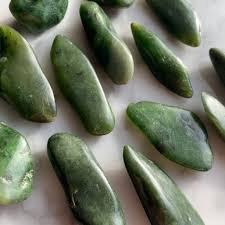
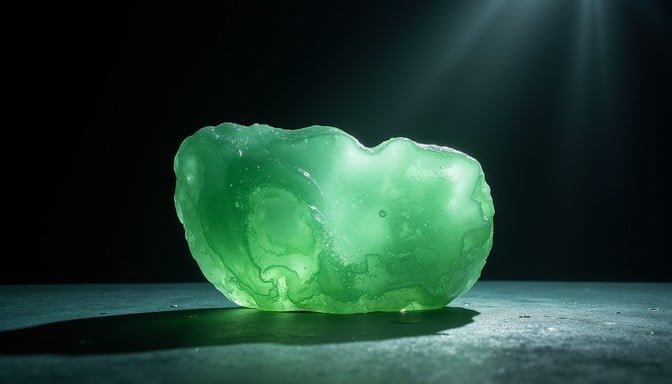
Raw jade at Real Jade represents authenticity, purity, and natural beauty in its original geological form. Raw jade is jade exactly as it is extracted from the earth, without cutting, polishing, dyeing, or chemical enhancement. At Real Jade, raw jade is carefully sourced, evaluated, and supplied to ensure buyers receive genuine, high‑quality jade that reflects its true mineral composition and natural character.

For centuries, jade has been admired not only as a gemstone but also as a symbol of wisdom, protection, prosperity, and longevity. Raw jade holds even deeper significance because it remains untouched by human processing, preserving the stone’s original energy, structure, and visual identity.

What Is Real Jade?

Real jade is a term used exclusively for two naturally occurring minerals: jadeite and nephrite. Both are recognized worldwide as authentic jade, though they differ in rarity, structure, and value.

Jadeite is the rarer and more valuable form of jade. It belongs to the pyroxene mineral group and is prized for its vivid colors and translucency. Jadeite is most famously sourced from Myanmar, with smaller deposits in Guatemala, Japan, and Russia.

Nephrite belongs to the amphibole mineral group and is slightly softer than jadeite but exceptionally tough. It is commonly found in China, Canada, New Zealand, and parts of Russia. Nephrite jade is deeply respected for its smooth texture and historical importance.

At Real Jade, raw jade is carefully classified as jadeite or nephrite to ensure transparency and trust for buyers.

Geological Formation of Raw Jade

Raw jade forms over millions of years under intense pressure and temperature conditions deep within the earth’s crust. This metamorphic process involves mineral-rich fluids interacting with surrounding rock formations, producing jade’s tightly interwoven crystal structure.

This natural formation explains why raw jade often looks ordinary or rough on the outside. Many valuable jade stones appear dull, cracked, or stone-like before cutting. At Real Jade, expert evaluation helps identify internal quality hidden beneath the surface.

Physical Characteristics of Raw Jade

Understanding the physical properties of raw jade is essential for identifying real jade.

Color: Raw jade occurs in a wide range of colors, including green, white, lavender, yellow, brown, black, and gray. Color distribution is often uneven, which is a natural trait of genuine jade.

Texture: Nephrite jade shows a fibrous texture, while jadeite appears granular under magnification. Both textures are indicators of authenticity.

Hardness and Toughness: Raw jade ranks between 6 and 7 on the Mohs hardness scale. More importantly, jade is exceptionally tough, making it resistant to breaking or chipping.

Density: Real jade feels heavier than most imitation stones of the same size due to its high density.

Surface Appearance: Raw jade typically has a matte or waxy surface rather than a glossy shine.

Types of Raw Jade Available at Real Jade

At Real Jade, raw jade is categorized based on mineral type, color, and application.

Raw Jadeite Stones: Highly valued for fine jewelry and investment purposes, especially when translucent green zones are present.

Raw Nephrite Blocks: Preferred for carving, sculpture, and traditional artifacts due to durability.

Green Raw Jade: Symbolizes prosperity and harmony and is the most sought-after variety.

White Raw Jade: Known for purity and elegance, especially prized in Asian markets.

Lavender and Rare Color Jade: Valued for uniqueness and collector appeal.

How Real Jade Identifies Genuine Raw Jade

Real Jade follows strict evaluation standards to ensure authenticity.

  • Visual inspection for natural color distribution and texture

  • Density and hardness testing

  • Light transmission examination

  • Sound resonance testing

  • Laboratory gemological certification for high-value stones

These methods help eliminate glass, quartz, serpentine, and synthetic substitutes.

Treated vs Untreated Jade

Raw jade at Real Jade is supplied with full disclosure regarding treatment status.

Type A Jade: Natural and untreated jade, considered the most valuable.

Type B Jade: Chemically treated jade with polymer impregnation.

Type C Jade: Dyed jade with artificial color enhancement.

Real Jade prioritizes Type A raw jade for buyers seeking genuine and long-term value stones.

Cultural and Spiritual Importance of Raw Jade

Raw jade has been revered across civilizations. In ancient China, jade symbolized moral integrity and spiritual protection. It was used in ceremonial objects, tools, ornaments, and burial rites. Mesoamerican cultures also valued jade for its spiritual power and association with life and fertility.

Many collectors and spiritual practitioners prefer raw jade because it is believed to retain stronger natural energy than polished forms.

Uses of Raw Jade at Real Jade

Raw jade serves multiple applications depending on quality and size.

  • Carving and artistic sculpture

  • Jewelry manufacturing

  • Interior decoration and display pieces

  • Meditation and spiritual practices

  • Investment and gemstone collection

At Real Jade, clients include jewelers, artisans, collectors, exporters, and wholesalers.

Value Factors of Raw Jade

The value of raw jade is determined by several critical factors:

  • Color richness and uniformity

  • Transparency and internal clarity

  • Stone size and weight

  • Mineral type (jadeite or nephrite)

  • Origin and rarity

  • Presence of cracks or inclusions

Even raw jade that appears plain may reveal exceptional beauty after cutting.

Buying Raw Jade from Real Jade

Real Jade emphasizes ethical sourcing, accurate grading, and honest pricing. Buyers receive expert guidance, authenticity assurance, and professional support throughout the selection process.

Purchasing raw jade from a trusted supplier like Real Jade reduces the risk of imitation stones and ensures long-term value.

Storage and Care of Raw Jade

Raw jade should be stored carefully to preserve its natural condition. Avoid exposure to harsh chemicals and extreme temperatures. Gentle cleaning with water and a soft cloth is sufficient.

Conclusion

Raw jade at Real Jade represents the purest expression of one of the world’s most treasured gemstones. Whether jadeite or nephrite, real jade carries unmatched cultural heritage, durability, and timeless beauty. By choosing raw jade from Real Jade, buyers invest in authenticity, natural elegance, and geological history preserved in stone. From collectors and artisans to investors and spiritual enthusiasts, raw jade remains a powerful symbol of nature’s perfection.
Introduction to Jade Types Jade is one of the most ancient and respected gemstones in human history. Valued for its beauty, durability, and deep cultural symbolism, jade has been used for thousands of years in jewelry, tools, rituals, and art. However, many people are unaware that jade is not a single mineral but a term used to describe two distinct gemstones, along with several jade-like materials often mistaken for true jade. Understanding the different types of jade is essential for buyers, collectors, jewelers, and enthusiasts who want to identify genuine jade and appreciate its true value. This guide explains the main types of jade, their characteristics, origins, uses, and how they differ from imitations. True Jade: The Two Authentic Types Scientifically and gemologically, only two minerals are classified as true jade: jadeite and nephrite. Any other stone sold as jade is considered an imitation or jade-like material. Jadeite Jade Jadeite is the rarer and more valuable type of jade. It belongs to the pyroxene mineral group and is known for its vibrant colors and translucency. Color Range: Jadeite occurs in green, emerald green, lavender, white, yellow, orange, red, black, and blue. Most Valuable Variety: Imperial jade, a rich emerald-green jadeite colored by chromium, is the most prized form of jade in the world. Transparency: High-quality jadeite can be semi-transparent, increasing its value significantly. Hardness: Jadeite ranks about 6.5–7 on the Mohs hardness scale. Main Sources: Myanmar is the primary source of jadeite, with smaller deposits in Guatemala, Japan, and Russia. Uses: Fine jewelry, luxury carvings, investment stones. Nephrite Jade Nephrite is more commonly found than jadeite and belongs to the amphibole mineral group. While slightly softer than jadeite, it is extremely tough and resistant to breakage. Color Range: Green, white, gray, brown, yellow, and black. Famous Variety: White nephrite, known as mutton fat jade, is highly valued in Chinese culture. Texture: Smooth and fibrous, giving nephrite a soft, oily appearance when polished. Hardness: Ranges from 6–6.5 on the Mohs scale. Main Sources: China, Canada, New Zealand, Russia, and the USA. Uses: Carvings, sculptures, traditional artifacts, jewelry. Jade Types Based on Color In addition to mineral classification, jade is commonly categorized by color. Green Jade: The most popular and valuable category, symbolizing prosperity and harmony. White Jade: Associated with purity and elegance, especially in nephrite jade. Lavender Jade: A rare jadeite variety valued for its soft purple tone. Yellow Jade: Symbolizes wealth and power. Black Jade: Used for bold jewelry and protective symbolism. Red and Orange Jade: Rare and formed through natural oxidation. Jade Types Based on Treatment Jade is also classified according to treatment level, which greatly affects value. Type A Jade: Natural, untreated jade. Most valuable and desirable. Type B Jade: Chemically treated jade that has been bleached and polymer-impregnated. Type C Jade: Dyed jade with artificial color enhancement. Type D Jade: Composite or imitation jade made from non-jade materials. Imitation and Jade-Like Stones Many stones resemble jade but are not true jade. Serpentine: Commonly sold as jade but much softer. Aventurine: Green quartz often mistaken for jade. Chalcedony: Sometimes marketed as jade. Glass: Used to imitate jade’s color and translucency. These materials lack jade’s toughness and long-term value. Cultural Types of Jade Different cultures have historically favored specific jade types. Chinese Jade: Traditionally nephrite, later jadeite became popular. Māori Jade (Pounamu): Nephrite jade from New Zealand. Mesoamerican Jade: Jadeite used by Maya and Aztec civilizations. Canadian Jade: High-quality nephrite jade used worldwide. Uses of Different Jade Types Jadeite is preferred for luxury jewelry and investment-grade stones. Nephrite is favored for carvings, sculptures, and traditional artifacts. Lower-grade jade and jade-like stones are used for decorative items and fashion jewelry. How to Identify True Jade Types Check hardness and scratch resistance Observe texture and internal structure Feel the stone’s weight and temperature Listen to sound resonance Seek professional gemological testing Value Comparison of Jade Types Jadeite is generally more valuable than nephrite. Untreated Type A jade commands the highest prices. Color, transparency, origin, and size heavily influence value. Modern Market Demand Demand for jade continues to grow globally, especially for high-quality jadeite. Nephrite remains popular for cultural, artistic, and spiritual uses. Understanding jade types helps buyers make informed decisions and avoid imitations. Conclusion Jade is a gemstone of extraordinary diversity and significance. While jadeite and nephrite are the only true jade types, variations in color, treatment, and origin create a wide range of jade categories. By understanding the different types of jade, buyers and enthusiasts can appreciate the beauty, authenticity, and value of this timeless gemstone. Raw jade at Real Jade represents the purest and most authentic form of one of the world’s most revered gemstones. Raw jade is jade in its natural, uncut, and untreated state, exactly as it is extracted from the earth. Unlike polished or carved jade, raw jade preserves its original texture, mineral structure, color zoning, and natural energy. At Real Jade, every raw jade stone is sourced with care, evaluated by experts, and supplied with full transparency to ensure buyers receive genuine jade of natural origin. For thousands of years, jade has been associated with wisdom, prosperity, protection, and longevity. Ancient civilizations valued jade not only for its beauty but also for its spiritual and cultural importance. Today, raw jade continues to attract collectors, jewelers, artisans, investors, and spiritual enthusiasts who seek authenticity and long-term value. ### What Is Real Jade? Real jade refers only to two naturally occurring minerals: jadeite and nephrite. These are the only stones scientifically and gemologically recognized as true jade. Many materials sold in the market as jade are imitations, substitutes, or treated stones, making proper identification essential. Jadeite is the rarer and more valuable form of jade. It belongs to the pyroxene mineral group and is known for its vibrant colors and translucency. The most famous variety, imperial jade, displays a rich emerald green color and exceptional clarity. Jadeite deposits are found mainly in Myanmar, with smaller sources in Guatemala, Japan, and Russia. Nephrite belongs to the amphibole mineral group and is slightly softer than jadeite but extremely tough and durable. Nephrite jade typically appears in shades of green, white, gray, brown, and black. It has been historically significant in China, New Zealand, Canada, and Russia. At Real Jade, both jadeite and nephrite are carefully identified and classified to ensure complete authenticity. ### Geological Formation of Raw Jade Raw jade forms deep within the earth over millions of years through intense heat and pressure. This metamorphic process involves mineral-rich fluids interacting with surrounding rock formations, resulting in jade’s tightly interlocking crystal structure. This structure is what gives jade its legendary toughness and resistance to breaking. Because of its natural formation, raw jade often appears dull, rough, or stone-like on the surface. Valuable jade may be completely hidden beneath an unremarkable exterior. This is why expert evaluation is essential when dealing with raw jade. At Real Jade, experienced professionals examine each stone to assess its internal quality and potential. ### Physical Characteristics of Raw Jade Understanding the physical characteristics of raw jade helps distinguish genuine jade from imitations. **Color:** Raw jade comes in a wide range of colors, including green, white, lavender, yellow, brown, gray, and black. Natural jade often shows uneven color distribution, which is a positive indicator of authenticity. **Texture:** Nephrite jade has a fibrous texture, while jadeite shows a granular crystal structure under magnification. These textures are key identifiers of real jade. **Hardness and Toughness:** Raw jade ranks between 6 and 7 on the Mohs hardness scale. While not as hard as diamonds, jade is exceptionally tough and resistant to cracking. **Density:** Genuine jade feels heavier than most imitation stones of the same size due to its high density. **Surface Appearance:** Raw jade typically has a matte or waxy surface rather than a glossy shine. ### Types of Raw Jade Available at Real Jade Real Jade offers a carefully curated selection of raw jade stones suitable for different purposes. **Raw Jadeite Stones:** Highly valued for fine jewelry and investment. Translucent zones and vivid colors indicate premium quality. **Raw Nephrite Blocks:** Preferred for carving and sculpture due to their durability and smooth texture. **Green Raw Jade:** Symbolizes prosperity and harmony and is the most sought-after variety worldwide. **White Raw Jade:** Often associated with purity and elegance, especially valued in traditional Asian cultures. **Lavender and Rare-Colored Jade:** Appreciated for uniqueness and collector appeal. ### How Real Jade Identifies Genuine Raw Jade Authenticity is a core principle at Real Jade. Each raw jade stone undergoes multiple evaluation steps. Visual inspection is conducted to examine natural color zoning, texture, and surface features. Density and hardness tests help confirm mineral identity. Light transmission tests reveal internal structure and clarity. Sound resonance testing is used to distinguish jade from glass substitutes. For high-value stones, professional gemological laboratory certification is provided. ### Treated vs Untreated Jade Not all jade in the market is natural. Understanding treatment types is essential. **Type A Jade:** Completely natural and untreated jade. This is the most valuable and desirable form. **Type B Jade:** Chemically treated jade that has been bleached and polymer-impregnated to improve appearance. **Type C Jade:** Dyed jade with artificially enhanced color. At Real Jade, priority is given to supplying Type A raw jade with full disclosure to buyers. ### Cultural and Historical Significance of Raw Jade Raw jade has played a significant role in human history. In ancient China, jade was considered more precious than gold and symbolized moral integrity and spiritual protection. Jade was used in rituals, tools, ornaments, and burial objects. The Maya and Aztec civilizations also valued jade for its association with life, fertility, and power. Raw jade is especially valued for its spiritual significance. Many believe that jade in its natural state retains stronger energy and symbolic meaning than polished stones. ### Uses of Raw Jade at Real Jade Raw jade serves a wide range of applications depending on quality and size. High-quality raw jade is selected for jewelry manufacturing, including bangles, beads, pendants, and rings. Larger blocks are used for carving statues, figurines, and decorative artifacts. Collectors and investors acquire raw jade for long-term value appreciation. Many individuals keep raw jade stones for meditation, energy balance, and interior decoration. ### Value Factors of Raw Jade Several factors influence the value of raw jade. Color richness and uniformity play a major role, with vibrant green jade commanding the highest prices. Transparency and texture indicate internal quality. Stone size and weight affect usability and rarity. Mineral type, origin, and overall condition are also critical. Even raw jade that appears ordinary can be extremely valuable if internal quality is high. ### Buying Raw Jade from Real Jade Real Jade emphasizes ethical sourcing, honest grading, and transparent pricing. Buyers receive expert guidance to help them choose stones that match their intended use, whether for carving, jewelry, collection, or investment. Working with a trusted supplier like Real Jade reduces the risk of imitation stones and ensures long-term satisfaction. ### Storage and Care of Raw Jade Raw jade should be stored carefully to preserve its natural condition. Avoid exposure to harsh chemicals, extreme heat, and sudden temperature changes. Gentle cleaning with water and a soft cloth is sufficient. Proper storage helps maintain the stone’s integrity and value over time. ### Investment Potential of Raw Jade Natural jade, especially untreated jadeite, has shown strong long-term value appreciation due to limited supply and increasing global demand. Raw jade offers additional appeal because buyers can evaluate and transform the stone according to their vision. Many investors view raw jade as a tangible asset with cultural and historical significance. ### Conclusion Raw jade at Real Jade embodies authenticity, natural beauty, and timeless value. Whether jadeite or nephrite, real jade reflects millions of years of geological formation and centuries of cultural heritage. By choosing raw jade from Real Jade, buyers invest in genuine natural stone backed by expert evaluation and ethical sourcing. From artisans and jewelers to collectors and spiritual enthusiasts, raw jade remains a powerful symbol of purity, strength, and enduring b Raw jade at Real Jade represents the purest and most authentic form of one of the world’s most revered gemstones. Raw jade is jade in its natural, uncut, and untreated state, exactly as it is extracted from the earth. Unlike polished or carved jade, raw jade preserves its original texture, mineral structure, color zoning, and natural energy. At Real Jade, every raw jade stone is sourced with care, evaluated by experts, and supplied with full transparency to ensure buyers receive genuine jade of natural origin. For thousands of years, jade has been associated with wisdom, prosperity, protection, and longevity. Ancient civilizations valued jade not only for its beauty but also for its spiritual and cultural importance. Today, raw jade continues to attract collectors, jewelers, artisans, investors, and spiritual enthusiasts who seek authenticity and long-term value. ### What Is Real Jade? Real jade refers only to two naturally occurring minerals: jadeite and nephrite. These are the only stones scientifically and gemologically recognized as true jade. Many materials sold in the market as jade are imitations, substitutes, or treated stones, making proper identification essential. Jadeite is the rarer and more valuable form of jade. It belongs to the pyroxene mineral group and is known for its vibrant colors and translucency. The most famous variety, imperial jade, displays a rich emerald green color and exceptional clarity. Jadeite deposits are found mainly in Myanmar, with smaller sources in Guatemala, Japan, and Russia. Nephrite belongs to the amphibole mineral group and is slightly softer than jadeite but extremely tough and durable. Nephrite jade typically appears in shades of green, white, gray, brown, and black. It has been historically significant in China, New Zealand, Canada, and Russia. At Real Jade, both jadeite and nephrite are carefully identified and classified to ensure complete authenticity. ### Geological Formation of Raw Jade Raw jade forms deep within the earth over millions of years through intense heat and pressure. This metamorphic process involves mineral-rich fluids interacting with surrounding rock formations, resulting in jade’s tightly interlocking crystal structure. This structure is what gives jade its legendary toughness and resistance to breaking. Because of its natural formation, raw jade often appears dull, rough, or stone-like on the surface. Valuable jade may be completely hidden beneath an unremarkable exterior. This is why expert evaluation is essential when dealing with raw jade. At Real Jade, experienced professionals examine each stone to assess its internal quality and potential. ### Physical Characteristics of Raw Jade Understanding the physical characteristics of raw jade helps distinguish genuine jade from imitations. **Color:** Raw jade comes in a wide range of colors, including green, white, lavender, yellow, brown, gray, and black. Natural jade often shows uneven color distribution, which is a positive indicator of authenticity. Introduction to Jade Types Jade is one of the most ancient and respected gemstones in human history. Valued for its beauty, durability, and deep cultural symbolism, jade has been used for thousands of years in jewelry, tools, rituals, and art. However, many people are unaware that jade is not a single mineral but a term used to describe two distinct gemstones, along with several jade-like materials often mistaken for true jade. Understanding the different types of jade is essential for buyers, collectors, jewelers, and enthusiasts who want to identify genuine jade and appreciate its true value. This guide explains the main types of jade, their characteristics, origins, uses, and how they differ from imitations. True Jade: The Two Authentic Types Scientifically and gemologically, only two minerals are classified as true jade: jadeite and nephrite. Any other stone sold as jade is considered an imitation or jade-like material. Jadeite Jade Jadeite is the rarer and more valuable type of jade. It belongs to the pyroxene mineral group and is known for its vibrant colors and translucency. Color Range: Jadeite occurs in green, emerald green, lavender, white, yellow, orange, red, black, and blue. Most Valuable Variety: Imperial jade, a rich emerald-green jadeite colored by chromium, is the most prized form of jade in the world. Transparency: High-quality jadeite can be semi-transparent, increasing its value significantly. Hardness: Jadeite ranks about 6.5–7 on the Mohs hardness scale. Main Sources: Myanmar is the primary source of jadeite, with smaller deposits in Guatemala, Japan, and Russia. Uses: Fine jewelry, luxury carvings, investment stones. Nephrite Jade Nephrite is more commonly found than jadeite and belongs to the amphibole mineral group. While slightly softer than jadeite, it is extremely tough and resistant to breakage. Color Range: Green, white, gray, brown, yellow, and black. Famous Variety: White nephrite, known as mutton fat jade, is highly valued in Chinese culture. Texture: Smooth and fibrous, giving nephrite a soft, oily appearance when polished. Hardness: Ranges from 6–6.5 on the Mohs scale. Main Sources: China, Canada, New Zealand, Russia, and the USA. Uses: Carvings, sculptures, traditional artifacts, jewelry. Jade Types Based on Color In addition to mineral classification, jade is commonly categorized by color. Green Jade: The most popular and valuable category, symbolizing prosperity and harmony. White Jade: Associated with purity and elegance, especially in nephrite jade. Lavender Jade: A rare jadeite variety valued for its soft purple tone. Yellow Jade: Symbolizes wealth and power. Black Jade: Used for bold jewelry and protective symbolism. Red and Orange Jade: Rare and formed through natural oxidation. Jade Types Based on Treatment Jade is also classified according to treatment level, which greatly affects value. Type A Jade: Natural, untreated jade. Most valuable and desirable. Type B Jade: Chemically treated jade that has been bleached and polymer-impregnated. Type C Jade: Dyed jade with artificial color enhancement. Type D Jade: Composite or imitation jade made from non-jade materials. Imitation and Jade-Like Stones Many stones resemble jade but are not true jade. Serpentine: Commonly sold as jade but much softer. Aventurine: Green quartz often mistaken for jade. Chalcedony: Sometimes marketed as jade. Glass: Used to imitate jade’s color and translucency. These materials lack jade’s toughness and long-term value. Cultural Types of Jade Different cultures have historically favored specific jade types. Chinese Jade: Traditionally nephrite, later jadeite became popular. Māori Jade (Pounamu): Nephrite jade from New Zealand. Mesoamerican Jade: Jadeite used by Maya and Aztec civilizations. Canadian Jade: High-quality nephrite jade used worldwide. Uses of Different Jade Types Jadeite is preferred for luxury jewelry and investment-grade stones. Nephrite is favored for carvings, sculptures, and traditional artifacts. Lower-grade jade and jade-like stones are used for decorative items and fashion jewelry. How to Identify True Jade Types Check hardness and scratch resistance Observe texture and internal structure Feel the stone’s weight and temperature Listen to sound resonance Seek professional gemological testing Value Comparison of Jade Types Jadeite is generally more valuable than nephrite. Untreated Type A jade commands the highest prices. Color, transparency, origin, and size heavily influence value. Modern Market Demand Demand for jade continues to grow globally, especially for high-quality jadeite. Nephrite remains popular for cultural, artistic, and spiritual uses. Understanding jade types helps buyers make informed decisions and avoid imitations. Conclusion Jade is a gemstone of extraordinary diversity and significance. While jadeite and nephrite are the only true jade types, variations in color, treatment, and origin create a wide range of jade categories. By understanding the different types of jade, buyers and enthusiasts can appreciate the beauty, authenticity, and value of this timeless gemstone. **Texture:** Nephrite jade has a fibrous texture, while jadeite shows a granular crystal structure under magnification. These textures are key identifiers of real jade. **Hardness and Toughness:** Raw jade ranks between 6 and 7 on the Mohs hardness scale. While not as hard as diamonds, jade is exceptionally tough and resistant to cracking. **Density:** Genuine jade feels heavier than most imitation stones of the same size due to its high density. **Surface Appearance:** Raw jade typically has a matte or waxy surface rather than a glossy shine. ### Types of Raw Jade Available at Real Jade Real Jade offers a carefully curated selection of raw jade stones suitable for different purposes. **Raw Jadeite Stones:** Highly valued for fine jewelry and investment. Translucent zones and vivid colors indicate premium quality. **Raw Nephrite Blocks:** Preferred for carving and sculpture due to their durability and smooth texture. **Green Raw Jade:** Symbolizes prosperity and harmony and is the most sought-after variety worldwide. **White Raw Jade:** Often associated with purity and elegance, especially valued in traditional Asian cultures. **Lavender and Rare-Colored Jade:** Appreciated for uniqueness and collector appeal. ### How Real Jade Identifies Genuine Raw Jade Authenticity is a core principle at Real Jade. Each raw jade stone undergoes multiple evaluation steps. Visual inspection is conducted to examine natural color zoning, texture, and surface features. Density and hardness tests help confirm mineral identity. Light transmission tests reveal internal structure and clarity. Sound resonance testing is used to distinguish jade from glass substitutes. For high-value stones, professional gemological laboratory certification is provided. ### Treated vs Untreated Jade Not all jade in the market is natural. Understanding treatment types is essential. **Type A Jade:** Completely natural and untreated jade. This is the most valuable and desirable form. **Type B Jade:** Chemically treated jade that has been bleached and polymer-impregnated to improve appearance. **Type C Jade:** Dyed jade with artificially enhanced color. At Real Jade, priority is given to supplying Type A raw jade with full disclosure to buyers. ### Cultural and Historical Significance of Raw Jade Raw jade has played a significant role in human history. In ancient China, jade was considered more precious than gold and symbolized moral integrity and spiritual protection. Jade was used in rituals, tools, ornaments, and burial objects. The Maya and Aztec civilizations also valued jade for its association with life, fertility, and power. Raw jade is especially valued for its spiritual significance. Many believe that jade in its natural state retains stronger energy and symbolic meaning than polished stones. ### Uses of Raw Jade at Real Jade Raw jade serves a wide range of applications depending on quality and size. High-quality raw jade is selected for jewelry manufacturing, including bangles, beads, pendants, and rings. Larger blocks are used for carving statues, figurines, and decorative artifacts. Collectors and investors acquire raw jade for long-term value appreciation. Many individuals keep raw jade stones for meditation, energy balance, and interior decoration. ### Value Factors of Raw Jade Several factors influence the value of raw jade. Color richness and uniformity play a major role, with vibrant green jade commanding the highest prices. Transparency and texture indicate internal quality. Stone size and weight affect usability and rarity. Mineral type, origin, and overall condition are also critical. Even raw jade that appears ordinary can be extremely valuable if internal quality is high. ### Buying Raw Jade from Real Jade Real Jade emphasizes ethical sourcing, honest grading, and transparent pricing. Buyers receive expert guidance to help them choose stones that match their intended use, whether for carving, jewelry, collection, or investment. Working with a trusted supplier like Real Jade reduces the risk of imitation stones and ensures long-term satisfaction. ### Storage and Care of Raw Jade Raw jade should be stored carefully to preserve its natural condition. Avoid exposure to harsh chemicals, extreme heat, and sudden temperature changes. Gentle cleaning with water and a soft cloth is sufficient. Proper storage helps maintain the stone’s integrity and value over time. ### Investment Potential of Raw Jade Natural jade, especially untreated jadeite, has shown strong long-term value appreciation due to limited supply and increasing global demand. Raw jade offers additional appeal because buyers can evaluate and transform the stone according to their vision. Many investors view raw jade as a tangible asset with cultural and historical significance. ### Conclusion Raw jade at Real Jade embodies authenticity, natural beauty, and timeless value. Whether jadeite or nephrite, real jade reflects millions of years of geological formation and centuries of cultural heritage. By choosing raw jade from Real Jade, buyers invest in genuine natural stone backed by expert evaluation and ethical sourcing. From artisans and jewelers to collectors and spiritual enthusiasts, raw jade remains a powerful symbol of purity, strength, and enduring b

What does “raw jade at Real Jade” mean?

Raw jade at Real Jade” refers to natural jade stones supplied in their uncut and untreated form, verified as genuine jadeite or nephrite. These stones are carefully sourced, evaluated for authenticity, and offered without artificial enhancement to ensure true natural quality.

Let's Chat!