JADE CITY

Jade has been admired, respected, and valued for centuries across civilizations. Known as a symbol of purity, protection, prosperity, and longevity, jade holds a unique position in the world of gemstones. Today, as global demand continues to rise, the importance of sourcing jade crystal at real jade suppliers has become more critical than ever. With the market flooded by imitations and treated stones, understanding what constitutes real jade and how genuine jade crystals are supplied helps buyers make informed and confident decisions.

Understanding Jade Crystal at Real Jade

A jade crystal refers to jade stone in its natural or minimally processed form, whether raw, polished, or shaped. Unlike gemstones that are valued mainly for sparkle, jade is prized for its strength, smooth texture, and deep, rich appearance. Real jade crystals are compact, dense, and exceptionally tough, making them ideal for long-term use.

When we refer to jade crystal at real jade, it means jade that is naturally formed, correctly identified, and supplied without misrepresentation. Authentic jade crystals are not artificially manufactured, dyed without disclosure, or substituted with look-alike stones.


What Is Real Jade?

Real jade is scientifically defined as one of two minerals only: nephrite jade or jadeite jade. Any other stone sold as jade—such as serpentine, marble, glass, or dyed quartz—is not considered real jade.

Authentic jade forms over millions of years deep within the Earth’s crust under intense pressure. This geological process gives jade its unique internal structure, making it one of the toughest gemstones known. A genuine jade supplier clearly distinguishes real jade from imitation materials.


Types of Jade Crystal at Real Jade Supply

Nephrite Jade

Nephrite jade is the more commonly available type of real jade and has been used historically in China, Central Asia, and indigenous cultures worldwide. It is composed mainly of calcium magnesium silicate and is known for its creamy texture and exceptional toughness.

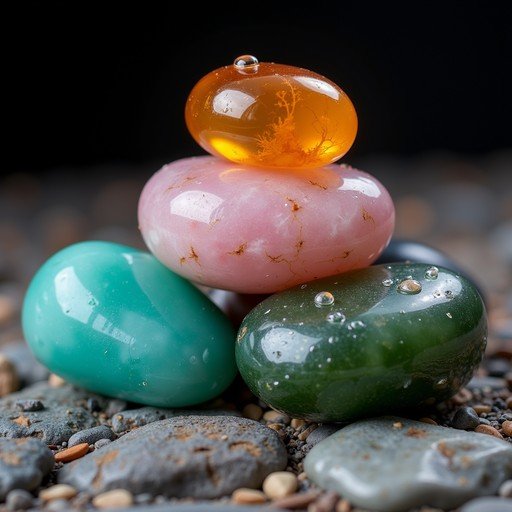
Nephrite jade crystals usually appear in dark green, spinach green, white, gray, and brown shades. High-quality nephrite jade is widely used for carvings, crystal stones, and spiritual tools.


Jadeite Jade

Jadeite jade is rarer and more valuable than nephrite. It is composed of sodium aluminum silicate and is mainly sourced from Myanmar. Jadeite crystals are known for their bright colors, higher translucency, and glass-like luster.

The most valuable jadeite is imperial jade, recognized by its intense emerald-green color. Jadeite crystals supplied by real jade dealers are carefully graded due to their high market value.


Natural Formation of Jade Crystals

Jade crystals form deep beneath the Earth’s surface under conditions of high pressure and low temperature. Unlike many gemstones that crystallize in brittle structures, jade develops an interlocking fibrous structure.

This structure gives jade its legendary durability and resistance to breaking. It also contributes to jade’s symbolic meaning of strength, protection, and stability across cultures.


Color Variations in Real Jade Crystals

A real jade supplier offers jade crystals in a variety of natural colors, each with its own characteristics.

Green jade is the most popular and symbolizes harmony, prosperity, and growth. White jade is associated with purity, wisdom, and calmness. Lavender jade represents peace and emotional balance. Yellow jade symbolizes abundance and confidence. Black jade is linked to protection and grounding energy.

Natural jade colors are subtle and organic. Overly bright or uniform color is often a sign of dye treatment or imitation.


Uses of Jade Crystal at Real Jade

Jewelry and Ornament Manufacturing

Jade crystals are widely used to create rings, bangles, pendants, beads, and bracelets. Real jade jewelry is valued for its durability, cultural importance, and timeless beauty.


Spiritual and Healing Applications

In crystal healing traditions, jade is believed to promote emotional balance, prosperity, and protection. Polished jade crystals are used for meditation, chakra alignment, and energy work.


Decorative and Artistic Carvings

Artisans carve jade crystals into statues, figurines, amulets, and decorative pieces. Due to jade’s toughness, carving requires skill and experience, increasing the value of finished items.


Wholesale and Export Trade

Jade crystals are traded globally for use in jewelry manufacturing, metaphysical stores, luxury décor, and private collections. Export-quality jade must meet strict authenticity and quality standards.


How to Identify Real Jade Crystals

A trustworthy real jade supplier educates buyers on identifying genuine jade.

Real jade feels cool to the touch and warms slowly when held. It has a smooth, waxy texture rather than a glassy shine. When tapped gently, real jade produces a clear, ringing sound.

Under magnification, authentic jade shows a fibrous or granular internal structure. Fake stones often contain bubbles, uneven dye distribution, or surface coatings.


Jade Treatments and Transparency

Jade treatments are categorized to maintain clarity and honesty in the market.

Type A jade is completely natural and untreated. This is the most valuable and desirable form of jade crystal at real jade supply.

Type B jade is chemically treated to remove impurities and then stabilized with resin. While still jade, it has reduced durability and value.

Type C jade is dyed to enhance color. Though visually appealing, it has lower long-term value.

A professional real jade supplier clearly discloses treatment types to buyers.


Global Sources of Real Jade

Myanmar is the primary source of high-quality jadeite jade. Nephrite jade is sourced from China, Canada, Russia, and New Zealand.

A reliable jade crystal at real jade supplier works with verified mines and trusted partners, ensuring authenticity and ethical sourcing.


Quality Standards in Real Jade Supply

Quality assessment of jade crystals includes color depth, translucency, texture, and absence of cracks. Higher translucency generally increases value, especially in jadeite.

Smooth polish, compact grain structure, and natural color variation are indicators of superior quality jade.


Ethical and Sustainable Jade Sourcing

Ethical sourcing has become essential in the gemstone industry. Reputable jade suppliers work with regulated mining operations and responsible labor practices.

Sustainable jade supply protects natural resources, supports local communities, and ensures long-term availability of jade.


Jade Crystal at Real Jade in International Markets

Jade crystals are traded across Asia, the Middle East, Europe, and North America. Demand continues to grow in wellness, jewelry, and luxury décor sectors.

Export-ready real jade suppliers comply with gemstone regulations, customs documentation, and authenticity certifications to ensure smooth global trade.


Importance of Authentic Jade Supply

Supplying real jade builds buyer trust and protects brand reputation. Authentic jade retains value over time, while imitation stones lose credibility quickly.

Businesses that source jade crystal at real jade suppliers gain long-term customer confidence and access to premium markets.


Choosing the Right Real Jade Supplier

A trustworthy supplier offers transparency, consistent quality, and clear communication. They provide information on jade type, origin, treatment, and care.

Experience, ethical sourcing, and quality assurance are key indicators of a reliable jade crystals supplier.


Market Trends and Future Outlook

The jade crystal market continues to evolve as buyers become more educated about authenticity and sustainability. Demand for natural, untreated jade is increasing globally.

Suppliers who prioritize transparency, ethical sourcing, and customer education are best positioned for long-term success.


Care and Maintenance of Jade Crystals

Real jade is durable but should still be cared for properly. Jade crystals should be cleaned with mild soap and water and stored away from harsh chemicals.

Avoid exposing jade to extreme heat or sudden temperature changes. Proper care ensures jade retains its beauty and energy for generations.


Cultural and Symbolic Importance of Jade

Jade has deep cultural significance, particularly in Asian traditions. It symbolizes wisdom, balance, protection, and good fortune.

Owning authentic jade crystal at real jade supply connects buyers to centuries of tradition and craftsmanship.


Conclusion

Jade crystal at real jade represents authenticity, durability, and timeless value. In a market filled with imitations, understanding real jade types, formation, identification, and sourcing is essential.

Whether used for jewelry, spiritual practices, décor, or wholesale trade, authentic jade crystals supplied by trusted real jade sources offer lasting beauty and credibility.

Choosing real jade is not just a purchase—it is an investment in quality, heritage, and trust.
Jade Crystals: Complete Guide to Natural, Authentic, and Healing Jade Stones Jade crystals have been treasured for centuries as symbols of beauty, wisdom, protection, and prosperity. From ancient civilizations to modern wellness practices, jade continues to hold a powerful place in cultural, spiritual, and commercial markets. Today, the global demand for jade crystals has increased significantly, especially for those seeking natural jade crystal stone, green jade healing crystal, and authentic jade gemstone crystal for personal use, jewelry, décor, and wholesale trade. This detailed guide explores everything you need to know about jade crystals, including their origin, authenticity, types, meanings, uses, and why jade crystal for prosperity and luck remains one of the most valued gemstones in the world. Understanding Jade Crystals Jade crystals are naturally formed gemstones known for their exceptional toughness, smooth texture, and calming appearance. Unlike gemstones that are prized for sparkle or brilliance, jade is admired for its dense structure, rich color depth, and long-lasting durability. A genuine jade crystal forms deep within the Earth’s crust under high pressure over millions of years. This slow natural process creates a tightly interwoven structure that makes jade one of the strongest gemstones known. Because of this, jade crystals are not only beautiful but also practical for everyday wear and long-term use. What Is a Natural Jade Crystal Stone? A natural jade crystal stone refers to jade that has formed naturally without artificial manufacturing or imitation materials. Real jade occurs in two scientifically recognized forms: nephrite jade and jadeite jade. Both are considered authentic jade, though they differ in rarity, appearance, and value. Natural jade crystal stone is not glass, marble, quartz, or dyed minerals. It has a unique waxy luster, feels cool to the touch, and warms slowly when held. Natural imperfections, color variations, and internal textures are signs of authenticity rather than flaws. Types of Jade Crystals Nephrite Jade Nephrite jade is the more commonly found form of jade and has been used for thousands of years in tools, carvings, and spiritual objects. It is composed mainly of calcium magnesium silicate and is known for its smooth texture and exceptional toughness. Nephrite jade crystals typically appear in dark green, spinach green, white, gray, and brown tones. High-quality nephrite jade remains highly valued for crystal stones, carvings, and healing practices. Jadeite Jade Jadeite jade is rarer and more valuable than nephrite. It is composed of sodium aluminum silicate and is mainly sourced from Myanmar. Jadeite crystals are prized for their vibrant colors, higher translucency, and refined appearance. Imperial jade, the most valuable form of jadeite, displays a vivid emerald-green color and is highly sought after in international gemstone markets. Green Jade Healing Crystal Explained The green jade healing crystal is the most popular and widely recognized form of jade. Green jade symbolizes balance, renewal, harmony, and growth. Its calming energy is believed to help stabilize emotions and promote mental clarity. In crystal healing traditions, green jade healing crystal is associated with the heart chakra. It is believed to encourage compassion, emotional healing, and inner peace. Many people use green jade during meditation, energy work, and stress relief practices. Green jade is also believed to support physical well-being by promoting relaxation and positive energy flow throughout the body. Authentic Jade Gemstone Crystal Characteristics An authentic jade gemstone crystal has several distinct characteristics that differentiate it from imitations. Real jade feels dense and solid in the hand. It has a smooth, waxy surface rather than a shiny glass-like finish. When tapped gently, authentic jade produces a clear, ringing sound rather than a dull noise. Under magnification, jade displays a fibrous or granular internal structure, unlike fake stones that may show bubbles or dye concentrations. Authentic jade gemstone crystal suppliers often provide transparency about jade type, origin, and any treatments applied to the stone. Jade Crystal for Prosperity and Luck Throughout history, jade crystal for prosperity and luck has been deeply embedded in cultural beliefs, especially in Asian traditions. Jade is believed to attract abundance, success, and good fortune while protecting the wearer from negative energy. Many people keep jade crystals in their homes or workplaces to invite prosperity and positive opportunities. Jade is also gifted during important life events such as weddings, business openings, and new beginnings to symbolize long-lasting success. Wearing or carrying jade crystal for prosperity and luck is thought to enhance confidence, decision-making, and emotional balance. Polished Jade Crystal Stones Polished jade crystal stones are jade crystals that have been carefully shaped and smoothed to enhance their natural beauty. Polishing highlights jade’s rich color, smooth texture, and subtle translucency. Polished jade crystal stones are widely used for meditation, décor, jewelry making, and spiritual practices. Unlike raw stones, polished jade offers a refined appearance while maintaining its natural energy. High-quality polishing preserves the integrity of the stone without altering its natural characteristics. Uses of Jade Crystals Jewelry and Personal Adornment Jade crystals are commonly used to create rings, bracelets, pendants, beads, and bangles. Jade jewelry is valued not only for its elegance but also for its cultural and spiritual meaning. Authentic jade gemstone crystal jewelry is durable, making it suitable for daily wear without losing its charm. Spiritual and Healing Practices Jade crystals are widely used in spiritual healing, meditation, and energy balancing. Green jade healing crystal is especially popular for emotional healing and heart chakra work. Many people place jade stones near their meditation space or carry them as pocket stones for calmness and protection. Home and Office Décor Polished jade crystal stones are used as decorative elements in homes and offices. They are believed to promote harmony, positive energy, and prosperity within a space. Jade carvings, spheres, and crystal pieces add both aesthetic and symbolic value to interiors. Wholesale and Export Trade Jade crystals are traded globally for use in jewelry manufacturing, wellness products, and luxury décor. Natural jade crystal stone demand continues to grow in international markets. Export-quality jade must meet authenticity, quality, and ethical sourcing standards. Jade Treatments and Transparency Jade crystals may undergo treatments that affect value and durability. Transparency is essential in the jade market. Type A jade is completely natural and untreated. This is the most valuable and desirable form of jade crystal. Type B jade is chemically treated to improve clarity and stabilized with resin. It remains jade but has reduced value. Type C jade is dyed to enhance color. While visually appealing, it has lower long-term value. Authentic jade gemstone crystal suppliers disclose all treatments clearly. How to Care for Jade Crystals Jade is durable but should be cared for properly. Clean jade crystals with mild soap and water, and dry them gently with a soft cloth. Avoid exposing jade to harsh chemicals, extreme heat, or sudden temperature changes. Proper care helps jade retain its beauty and energy over time. Cultural Importance of Jade Crystals Jade has held deep cultural significance for thousands of years. In many traditions, jade represents wisdom, virtue, protection, and balance. Jade crystals were historically used in rituals, royal ornaments, and spiritual artifacts. Today, they continue to symbolize timeless beauty and positive energy. Choosing Genuine Jade Crystals When purchasing jade crystals, authenticity should always be the top priority. Buy from trusted suppliers who specialize in natural jade crystal stone and provide clear information about origin and treatment. Examine the stone’s texture, weight, and color consistency. Avoid stones that appear overly bright or unnaturally uniform. Market Demand for Jade Crystals The global market for jade crystals continues to expand due to rising interest in natural gemstones, spiritual wellness, and sustainable luxury. Green jade healing crystal and jade crystal for prosperity and luck are especially popular among wellness-focused buyers and collectors. Conclusion Jade crystals remain one of the most meaningful and valuable gemstones in the world. From natural jade crystal stone to green jade healing crystal, from authentic jade gemstone crystal to polished jade crystal stones, jade offers beauty, durability, and deep symbolic value. Whether used for jewelry, healing, décor, or prosperity, jade crystal for prosperity and luck continues to attract those seeking balance, protection, and long-term value. Choosing genuine jade crystals ensures authenticity, cultural significance, and lasting benefits—making jade a timeless treasure across generations. Green jade is one of the most cherished gemstones in the world, admired for its calming color, smooth texture, and deep cultural significance. For centuries, green jade has symbolized harmony, prosperity, protection, and wisdom. From ancient civilizations to modern crystal healing practices, green jade continues to be valued not only for its beauty but also for its emotional and spiritual importance. This detailed guide explains what green jade is, how it forms, its types, meanings, benefits, and uses, helping you understand why green jade remains a timeless and powerful gemstone. What Is Green Jade? Green jade is a naturally occurring gemstone known for its dense structure and smooth, waxy surface. Unlike many gemstones that are prized for brilliance, jade is valued for its durability and rich, soothing appearance. Green jade belongs to a family of stones scientifically classified as either nephrite jade or jadeite jade. Both nephrite and jadeite can appear in green shades, but they differ in composition, rarity, and value. What makes green jade special is not just its color, but the strength and balance it represents across cultures. Natural Formation of Green Jade Green jade forms deep within the Earth’s crust over millions of years under high pressure and relatively low temperatures. This unique geological process allows jade minerals to interlock tightly, creating a fibrous structure that gives jade its exceptional toughness. Because of this natural formation, green jade is resistant to breakage and wear, making it ideal for jewelry, carvings, and everyday use. The slow formation process also contributes to jade’s symbolic association with patience, stability, and endurance. Types of Green Jade Nephrite Green Jade Nephrite green jade is the more commonly found type of jade and has been used historically in tools, ornaments, and spiritual objects. It is composed mainly of calcium magnesium silicate and is known for its creamy texture and earthy green shades. Nephrite green jade often appears in dark green, olive green, or spinach green tones. It is highly durable and widely used in carvings, beads, and crystal stones. Jadeite Green Jade Jadeite green jade is rarer and more valuable than nephrite. It is composed of sodium aluminum silicate and is primarily sourced from Myanmar. Jadeite is known for its brighter green color, higher translucency, and refined appearance. The most prized form of jadeite is imperial green jade, which displays a vivid emerald-green color and exceptional clarity. Meaning and Symbolism of Green Jade Green jade holds deep symbolic meaning across cultures. Traditionally, it represents harmony, balance, growth, and renewal. The green color is associated with nature, life energy, and emotional healing. In many cultures, green jade is believed to protect the wearer from negative energy and bring peace of mind. It is also seen as a stone of wisdom, encouraging thoughtful decisions and emotional stability. Green jade is often gifted to symbolize friendship, prosperity, and long-lasting relationships. Green Jade and Healing Beliefs Green jade is widely known as a healing stone in crystal traditions. It is associated with the heart chakra, which governs love, compassion, and emotional balance. Many believe that green jade helps release stress, calm the mind, and promote inner peace. It is often used during meditation to encourage relaxation and emotional clarity. Physically, green jade has been traditionally associated with supporting overall well-being and promoting a sense of vitality and balance. Green Jade for Prosperity and Luck One of the most well-known beliefs surrounding green jade is its connection to prosperity and good fortune. Green jade is often referred to as a stone of abundance, believed to attract wealth, success, and positive opportunities. In business and personal life, green jade is kept as a symbol of growth and financial stability. Many people place green jade in their homes or offices to invite positive energy and success. Uses of Green Jade Jewelry and Personal Wear Green jade is widely used in jewelry such as rings, bracelets, pendants, bangles, and beads. Its durability makes it suitable for daily wear, while its color adds elegance and meaning. Wearing green jade jewelry is believed to provide continuous protection and positive energy. Spiritual and Meditation Practices Green jade is commonly used in meditation and spiritual practices. Holding or placing green jade nearby during meditation is believed to promote emotional healing and calmness. Many people use green jade as a pocket stone or keep it near their sleeping area to encourage peaceful energy. Decorative and Artistic Use Green jade is also used in decorative items and carvings. Jade figurines, spheres, and ornaments add both beauty and symbolic value to living and working spaces. Carved green jade pieces are often displayed to promote harmony and positive energy. Identifying Genuine Green Jade Authentic green jade has a smooth, waxy feel and feels cool to the touch. It is dense and heavy compared to imitation stones. Natural green jade often shows slight color variations and internal textures. Stones that appear overly bright, uniform, or glassy may be dyed or synthetic. Purchasing green jade from trusted sources ensures authenticity and quality. Jade Treatments and Transparency Green jade may undergo treatments that affect its appearance and value. Natural untreated jade, known as Type A jade, is the most valuable. Type B jade is chemically treated to improve clarity, while Type C jade is dyed to enhance color. Transparent sellers always disclose treatments to buyers. Caring for Green Jade Green jade is durable but should still be handled with care. Clean it gently with mild soap and water, and dry it with a soft cloth. Avoid exposing green jade to harsh chemicals or extreme temperatures. Proper care helps maintain its beauty and energy over time. Cultural Importance of Green Jade Green jade has played an important role in history, particularly in Asian cultures. It has been used in royal ornaments, spiritual rituals, and traditional medicine. Jade has often been considered more valuable than gold due to its symbolic importance and durability. Conclusion Green jade is a gemstone of balance, beauty, and deep meaning. From its natural formation to its spiritual and cultural significance, green jade continues to be cherished around the world. Whether used for jewelry, healing, decoration, or prosperity, green jade offers timeless appeal and lasting value. Choosing genuine green jade ensures authenticity, positive energy, and a meaningful connection to one of the world’s most respected gemstones.

How can I be sure the jade crystal from Real Jade is authentic?

At Real Jade, every jade crystal is sourced from verified suppliers and identified as genuine nephrite or jadeite jade. Authentic jade crystal has a dense structure, smooth waxy texture, and natural color variations. We ensure transparency in jade type, origin, and any treatments so customers can buy with confidence.