At Real Jade, we specialize in offering carefully sourced, authentic, and high-quality jade stones for collectors, jewelry lovers, spiritual users, and global buyers. Jade is more than just a gemstone; it is a symbol of heritage, purity, protection, and prosperity that has been valued for thousands of years across Asia, including China, India, and Southeast Asia. Understanding the different types of jade available is essential for anyone looking to invest in or wear genuine jade.

At Real Jade, we focus only on real jade, ensuring authenticity, natural quality, and transparency. In this detailed guide, we explain the different types of jade available at Real Jade, their characteristics, colors, cultural significance, and how each type is used in jewelry and traditional applications.

What Makes Jade at Real Jade Authentic

At Real Jade, authenticity is our foundation. True jade exists only in two natural mineral forms: jadeite and nephrite. These are the only stones scientifically recognized as real jade. Many products in the market are mislabeled as jade, but stones such as serpentine, glass, quartz, or dyed materials do not qualify as genuine jade.

Real jade is known for its exceptional toughness, dense structure, and long-lasting beauty. Unlike imitation stones, genuine jade has a natural internal texture formed under extreme geological conditions. At Real Jade, we ensure that every jade variety we provide meets strict quality and authenticity standards.


Jadeite Jade Available at Real Jade

Jadeite is the most valuable and rare form of jade available at Real Jade. It is prized for its vibrant colors, fine texture, and natural translucency. Jadeite belongs to the pyroxene mineral family and is considered premium jade in international gemstone markets.

Origin and Quality

At Real Jade, jadeite is sourced from trusted origins, with a strong focus on high-quality deposits historically associated with superior jadeite. The finest jadeite is known for its compact crystal structure and rich color saturation.

Color Variations

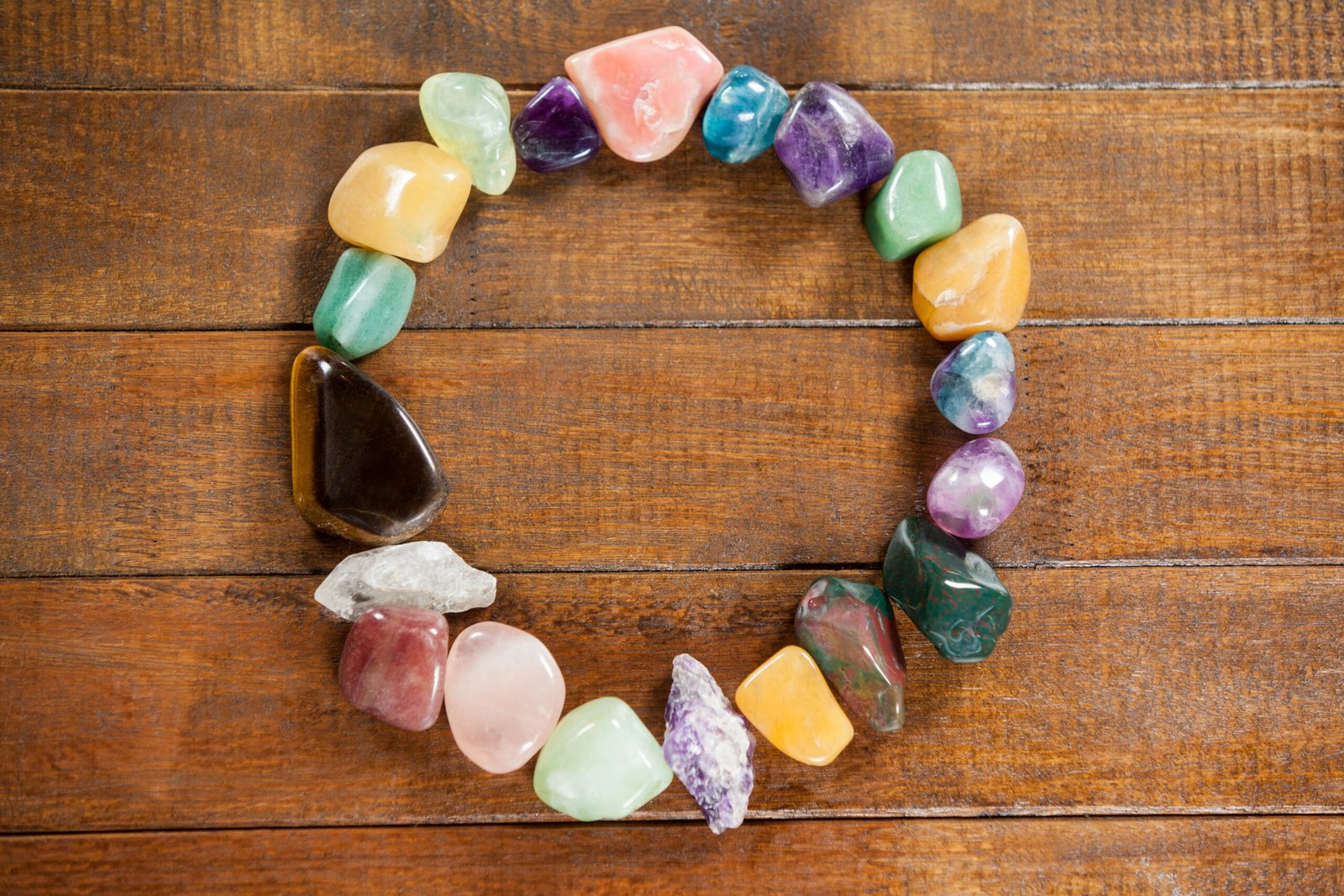
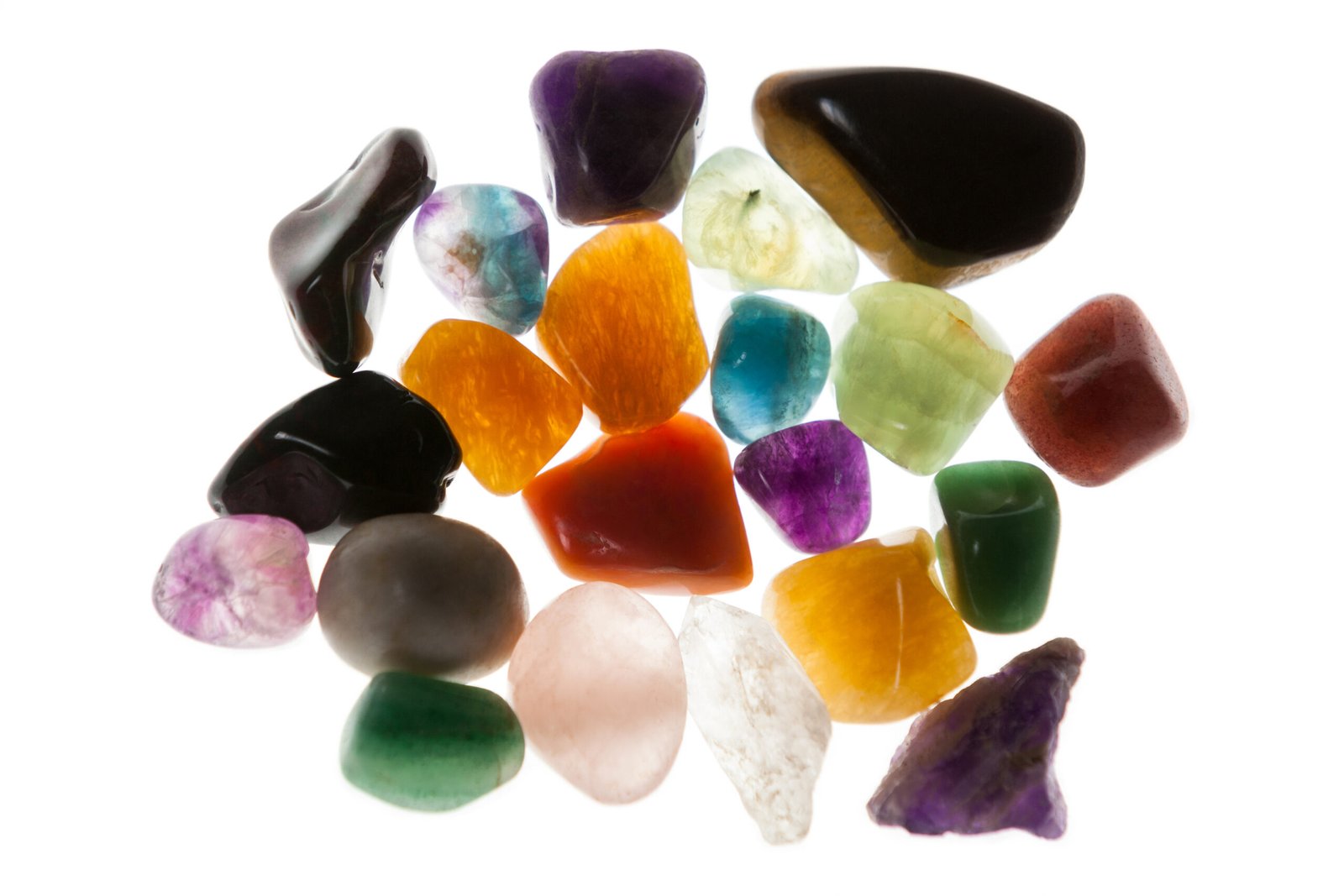
Jadeite available at Real Jade comes in a wide range of natural colors. These include deep green, light green, white, lavender, yellow, reddish tones, gray, and black. Among these, rich green jadeite remains the most sought-after due to its cultural and investment value.

Texture and Appearance

High-quality jadeite has a smooth, fine-grained texture and a natural glass-like luster. Some jadeite varieties allow light to pass through the stone, creating a glowing effect that enhances its beauty in jewelry.

Uses

At Real Jade, jadeite is commonly used for bangles, pendants, rings, earrings, beads, and fine carvings. It is ideal for customers looking for premium jade jewelry with long-term value.


Nephrite Jade Available at Real Jade

Nephrite jade is another authentic type of jade offered at Real Jade. It has a long history of use in traditional carvings, ornaments, and spiritual objects. Nephrite belongs to the amphibole mineral group and is known for its fibrous structure, which gives it exceptional strength.

Origin and Availability

Nephrite jade is more widely available than jadeite and has been used for centuries in Asia. At Real Jade, nephrite is carefully selected for consistency, natural color, and surface quality.

Color Range

Nephrite jade is typically available in various shades of green, ranging from pale green to deep spinach green. It is also found in white, gray, brown, and black forms. White nephrite is especially valued for its clean appearance and symbolic meaning.

Texture and Finish

Nephrite has a softer, waxy luster compared to jadeite. It is usually opaque or slightly translucent and feels smooth and solid in hand.

Uses

At Real Jade, nephrite jade is ideal for carved items, prayer beads, bracelets, pendants, sculptures, and traditional jewelry. It is often chosen for spiritual and wellness purposes.


Green Jade Varieties at Real Jade

Green jade is the most popular jade type available at Real Jade. Green jade symbolizes growth, balance, prosperity, and harmony. The green color in jade forms naturally due to trace elements such as iron and chromium.

At Real Jade, green jade is available in different tones, from light apple green to rich deep green. Green jade is commonly used in bangles, bracelets, pendants, and decorative pieces and is suitable for both daily wear and ceremonial use.


White Jade Available at Real Jade

White jade represents purity, clarity, and peace. At Real Jade, white jade is appreciated for its smooth surface and elegant appearance. It is widely used in spiritual jewelry and traditional ornaments.

White jade is especially popular among customers seeking minimalistic and meaningful gemstone jewelry. It is also favored for meditation accessories and symbolic gifting.


Lavender Jade at Real Jade

Lavender jade is one of the most elegant jade varieties available at Real Jade. Its soft purple hue gives it a distinctive and calming appearance. Lavender jade is valued for emotional balance, spiritual awareness, and inner peace.

At Real Jade, lavender jade is commonly crafted into pendants, rings, and refined jewelry pieces. It is especially popular among collectors and modern jewelry enthusiasts.


Yellow and Golden Jade at Real Jade

Yellow jade is associated with positivity, confidence, and abundance. At Real Jade, yellow jade is offered in natural tones ranging from soft yellow to warm golden shades.

This jade variety is often used in Feng Shui and Vastu practices and is chosen for jewelry that symbolizes prosperity and stability.


Red and Orange Jade Varieties

Red and orange jade are rarer jade varieties available at Real Jade. These colors develop naturally through oxidation processes within the stone. Red jade represents strength and vitality, while orange jade symbolizes creativity and enthusiasm.

At Real Jade, these jade types are often used for statement jewelry pieces and artistic carvings.


Black Jade at Real Jade

Black jade is valued for its protective and grounding qualities. At Real Jade, black jade is offered for customers seeking bold and spiritually significant stones.

Black jade is commonly used in men’s jewelry, bracelets, beads, and talismans, as it symbolizes strength and protection against negative energy.


How Real Jade Ensures Genuine Jade Quality

At Real Jade, each jade piece is carefully examined to ensure authenticity and natural quality. Genuine jade feels cool to the touch, has noticeable weight, and displays natural internal texture rather than artificial uniformity.

Real Jade follows strict sourcing and quality-control standards, ensuring that customers receive genuine jade rather than treated or imitation stones.


Jade Jewelry and Products at Real Jade

Real Jade offers jade in multiple forms, including jewelry, carved artifacts, spiritual accessories, and decorative items. Our jade products are suitable for personal use, gifting, traditional ceremonies, and long-term collections.

Jade at Real Jade is crafted to preserve natural beauty while meeting modern design preferences.


Why Choose Real Jade for Different Types of Jade

At Real Jade, we focus on authenticity, transparency, and quality. Our collection includes carefully selected jadeite and nephrite varieties, ensuring that customers receive real jade with genuine value.

Whether you are looking for traditional jade, spiritual jade, or modern jade jewelry, Real Jade provides trusted options backed by expertise and care.


At Real Jade, we provide different types of jade that reflect centuries of tradition, natural beauty, and cultural significance. From premium jadeite to traditional nephrite, and from green and white jade to rare lavender and black jade, every stone represents authenticity and timeless value.

Understanding the types of jade available at Real Jade helps buyers make informed choices and appreciate the true essence of real jade. With a commitment to quality and trust, Real Jade continues to be a reliable source for genuine jade stones across global markets.
Jade has held a place of honor among gemstones for thousands of years. Revered across Asia, especially in China, Myanmar, India, and Central Asia, jade is not merely a decorative stone but a symbol of purity, wisdom, protection, prosperity, and longevity. Despite its fame, jade is often misunderstood. Many people believe jade is a single gemstone, while in reality, real jade exists in only two mineral forms: jadeite and nephrite. Among these, jadeite is the rarer, more valuable, and more sought-after variety. This article provides a complete explanation of real jade, with a deep focus on jadeite, covering its origin, mineral structure, colors, quality factors, cultural importance, uses, and how to identify genuine jadeite in today’s market. Understanding What Real Jade Truly Is Real jade is not a trade name or a color-based gemstone category. It is a scientifically defined term used only for jadeite and nephrite, both of which are metamorphic minerals formed under intense heat and pressure within the Earth. What makes real jade unique is its exceptional toughness. Toughness refers to resistance to breaking or chipping, which is different from hardness. Jade may not be as hard as diamonds or sapphires, but its tightly interlocking crystal structure makes it extremely durable. This quality allowed ancient civilizations to use jade for tools, weapons, ornaments, and ceremonial objects long before modern metals were developed. Many stones sold as jade today—such as serpentine, aventurine, glass, quartz, or dyed materials—are not real jade. While they may resemble jade visually, they lack the mineral composition, density, and internal structure of genuine jade. Jadeite – The Most Precious Form of Real Jade Jadeite is the rarer and more valuable type of real jade. It belongs to the pyroxene mineral group and has a denser and more compact crystal structure than nephrite. This structure gives jadeite its superior translucency, vibrant colors, and high market value. Historically, jadeite became highly prized after deposits were discovered in Myanmar, where it entered China through ancient trade routes. Over time, jadeite surpassed nephrite in value and became the most prestigious form of jade in global gemstone markets. Geological Formation of Jadeite Jadeite forms deep within the Earth under extreme geological conditions. High pressure and relatively low temperature environments allow sodium-rich minerals to crystallize into jadeite. This process takes millions of years, which is why high-quality jadeite is extremely rare. Unlike many gemstones that form in open cavities, jadeite forms in compact masses. This contributes to its dense structure and exceptional toughness. Major Sources of Jadeite The most important and historically significant source of jadeite is Myanmar (Burma). Burmese jadeite is widely regarded as the finest in the world due to its intense colors, fine texture, and translucency. Other jadeite sources include Guatemala, Japan, Russia, and parts of Central America. However, jadeite from these regions generally differs in color tone, texture, and overall quality when compared to Burmese jadeite. Myanmar remains the global benchmark for premium jadeite, especially for deep green varieties. Color Varieties of Jadeite One of the reasons jadeite is so highly valued is its wide range of natural colors. These colors are caused by trace elements present during the stone’s formation. Green Jadeite Green jadeite is the most famous and valuable color. The green shade ranges from light apple green to deep emerald green. Chromium is responsible for the most vivid green tones. Imperial Jadeite Imperial jadeite is the rarest and most valuable jadeite variety. It displays a rich emerald green color with high translucency and even color distribution. This type of jadeite commands extremely high prices and is considered a luxury investment gemstone. White Jadeite White jadeite appears milky white to icy white. It symbolizes purity, clarity, and peace and is widely used in elegant and spiritual jewelry designs. Lavender Jadeite Lavender jadeite features soft purple to violet hues. It is prized for its calm, graceful appearance and is associated with emotional balance and spiritual awareness. Yellow and Orange Jadeite These colors are formed due to iron oxidation. Yellow jadeite represents optimism and abundance, while orange jadeite symbolizes creativity and warmth. Red Jadeite Red jadeite is rare and usually appears on the surface of jadeite boulders due to oxidation. It represents vitality, strength, and life energy. Black Jadeite Black jadeite contains carbon or iron inclusions. It is valued for its protective symbolism and bold appearance. Texture and Transparency of Jadeite High-quality jadeite has a fine-grained texture, meaning the crystals are tightly packed and uniform. This creates a smooth surface and allows light to pass through the stone. Transparency is a major value factor. Jadeite can be opaque, semi-translucent, or highly translucent. The more translucent the stone, the more valuable it generally is, provided the color is attractive and evenly distributed. Jadeite Grading Factors Several factors determine the value and quality of jadeite: Color consistency and intensity Transparency and clarity Texture fineness Cut and polish Presence of cracks or inclusions Treatment status Natural, untreated jadeite with good color and translucency is significantly more valuable than treated or dyed jadeite. Cultural Importance of Jadeite Jadeite holds immense cultural importance, especially in Asian traditions. In Chinese culture, jadeite symbolizes virtue, wisdom, loyalty, and immortality. It has historically been worn by emperors, scholars, and nobles. In India, jadeite is increasingly valued for its spiritual and healing associations. It is often linked to the heart chakra and believed to promote emotional balance, harmony, and well-being. Jadeite jewelry is commonly gifted during weddings, festivals, and auspicious occasions, symbolizing protection and prosperity. Uses of Jadeite in Jewelry and Art Jadeite is widely used in fine jewelry due to its durability and beauty. Popular forms include bangles, bracelets, pendants, rings, earrings, beads, and cabochons. Bangles are especially significant in Asian cultures and are often worn as symbols of protection and good fortune. Jadeite is also carved into statues, talismans, and decorative artifacts. Modern designers increasingly combine jadeite with gold, diamonds, and other gemstones to create contemporary luxury jewelry. Jadeite Treatments and Market Categories Jadeite in the market is often categorized based on treatment: Natural untreated jadeite Bleached jadeite Polymer-impregnated jadeite Dyed jadeite Untreated jadeite is the most valuable and desirable. Treated jadeite may look attractive but has lower durability and long-term value. How to Identify Real Jadeite Real jadeite feels cool to the touch and remains cool longer than imitation stones. It is dense and heavier than glass or plastic substitutes. When lightly tapped, jadeite produces a clear ringing sound. Under magnification, genuine jadeite shows a granular crystalline structure rather than bubbles or uniform patterns. Professional testing methods include refractive index measurement, density testing, and spectroscopy. Certification from a recognized gemological laboratory is recommended for high-value jadeite. Jadeite vs Nephrite – Key Differences While both are real jade, jadeite and nephrite differ significantly. Jadeite is rarer, harder, more translucent, and available in more vivid colors. Nephrite is more fibrous, usually darker, and less translucent. Types of Jade Types of Jade v Types of Jade Types of Jade Types of Jade Types of Jade Types of Jade Types of Jade Types of Jade Types of Jade v Types of Jade Types of Jade Types of Jade Types of Jade Types of Jade Types of Jade Types of Jade Types of Jade Types of Jade Types of Jade Types of Jade Types of Jade Types of Jade Types of Jade Types of Jade Types of Jade Types of Jade Types of Jade Types of Jade Types of Jade Types of Jade Types of Jade Types of Jade Jadeite dominates the premium jewelry market, while nephrite is commonly used for carvings and traditional items. Investment Value of Jadeite High-quality jadeite has proven to be a strong store of value. Rare jadeite, especially imperial-quality material, continues to increase in demand among collectors and investors. Unlike many gemstones, jadeite’s value is deeply tied to cultural significance, rarity, and craftsmanship. Conclusion Real jade is a gemstone of immense historical, cultural, and natural importance, and jadeite represents the finest expression of real jade. From its rare geological formation and vivid colors to its spiritual symbolism and enduring beauty, jadeite stands apart as one of the world’s most treasured gemstones. Understanding real jade and jadeite helps buyers, collectors, and enthusiasts make informed decisions and appreciate the true value behind this ancient stone. Whether worn as jewelry, used for spiritual purposes, or collected as an investment, jadeite continues to represent purity, strength, and timeless elegance. ## Real Jade ### Introduction Real Jade represents authenticity, heritage, and timeless beauty in the world of gemstones. Jade has been revered for thousands of years across civilizations for its durability, elegance, and deep cultural symbolism. Unlike many gemstones valued only for sparkle, jade is admired for its smooth texture, rich colors, and spiritual significance. Real Jade focuses on presenting genuine jade with clarity, education, and trust, ensuring buyers understand the true value of this extraordinary gemstone. ### Understanding What Real Jade Means The term real jade refers to genuine jade gemstones that are naturally formed and correctly identified. True jade belongs to one of two mineral families: jadeite and nephrite. Many stones in the market are mislabeled as jade, including serpentine, glass, or dyed quartz. Real Jade emphasizes accurate identification and transparency, helping buyers distinguish authentic jade from imitations and heavily treated substitutes. ### The Two Types of Genuine Jade Jadeite and nephrite are the only minerals recognized as true jade. Jadeite is rarer and generally more valuable, known for its vivid colors and translucency. Nephrite is slightly softer but extremely tough, with a creamy, smooth appearance. Real Jade clearly explains the differences between these two types, allowing buyers to make informed decisions based on quality, purpose, and budget. ### Historical Importance of Jade Jade has held a sacred place in ancient cultures, particularly in China, where it symbolized virtue, immortality, and moral integrity. Emperors and nobles used jade in ceremonial objects, seals, ornaments, and burial artifacts. In Mesoamerican civilizations, jade represented life, fertility, and power. Real Jade honors this legacy by preserving traditional values while presenting jade in a modern, accessible way. ### Cultural and Spiritual Significance Across cultures, jade is believed to carry protective and healing properties. It is associated with harmony, wisdom, balance, and prosperity. Many people wear jade as a talisman for good fortune and emotional stability. Real Jade respects these beliefs and presents jade not only as a gemstone but as a meaningful symbol deeply rooted in tradition. ### Color Varieties in Real Jade Color plays a major role in jade’s appeal and value. Green jade is the most recognized, ranging from pale tones to deep, vibrant hues. Lavender jade is admired for its elegance and rarity, while white jade symbolizes purity and refinement. Yellow, brown, and black jade each carry unique cultural meanings. Real Jade carefully selects jade pieces that showcase natural, untreated colors. ### Texture and Transparency High-quality jade is known for its smooth texture and fine grain. Translucency enhances jade’s beauty, allowing light to penetrate and reveal depth. Real Jade evaluates jade based on texture consistency, translucency, and surface quality, ensuring each piece meets premium standards. ### Jade Treatments and Market Transparency Many jade stones in the market undergo treatments such as bleaching, dyeing, or polymer filling to enhance appearance. While treated jade is more affordable, it lacks the long-term value of natural jade. Real Jade prioritizes untreated or minimally treated jade and clearly discloses any enhancements, maintaining honesty and buyer confidence. ### Identifying Authentic Jade Authentic jade feels cool to the touch, has a dense structure, and produces a clear sound when gently tapped. However, professional testing remains the most reliable method of authentication. Real Jade relies on expert evaluation and proper sourcing rather than superficial tests, ensuring genuine products. ### Mining Regions of Genuine Jade Jadeite is primarily sourced from Myanmar, renowned for producing the world’s finest jadeite. Nephrite jade is found in regions such as China, Canada, Russia, and New Zealand. Real Jade works with trusted suppliers who follow responsible sourcing practices, preserving quality and ethical standards. ### Craftsmanship and Jade Artistry ## Real Jade ### Introduction Real Jade represents authenticity, heritage, and lasting beauty in the gemstone world. For centuries, jade has been admired not only for its appearance but also for its strength, symbolism, and cultural importance. Unlike gemstones valued mainly for brilliance, jade is treasured for its smooth texture, rich colors, and deep meaning. Real Jade focuses on presenting genuine jade with clarity and trust, helping buyers understand what real jade truly is and why it remains one of the most respected gemstones in history. ### What Real Jade Means Real jade refers to authentic jade gemstones that are naturally formed and correctly identified. True jade belongs to only two mineral types: jadeite and nephrite. Many stones sold as jade in the market are imitations or look-alikes, such as serpentine, glass, or dyed materials. Real Jade emphasizes transparency and education so buyers can clearly distinguish genuine jade from substitutes and treated stones. ### Types of Genuine Jade Jadeite and nephrite are the only minerals classified as true jade. Jadeite is rarer and generally more valuable, known for its vivid colors and higher translucency. Nephrite jade is slightly softer but extremely tough, with a smooth, creamy appearance. Both types are respected for different reasons, and Real Jade clearly explains these differences so buyers can choose with confidence. ### Historical Importance of Jade Jade has played a significant role in ancient civilizations, especially in China, where it symbolized virtue, wisdom, and immortality. Emperors and nobles used jade in ceremonial objects, ornaments, and burial items. In other cultures, jade represented life, protection, and power. Real Jade respects this rich heritage by preserving traditional values while presenting jade in a modern and accessible way. ### Cultural and Spiritual Meaning Across many cultures, jade is believed to promote balance, harmony, and protection. It is often worn as a symbol of good fortune and emotional stability. Many people believe jade carries calming energy and supports well-being. Real Jade acknowledges these beliefs and presents jade not just as a gemstone, but as a meaningful piece connected to tradition and spirituality. ### Colors Found in Real Jade Color is one of the most important characteristics of jade. Green jade is the most popular and widely recognized, ranging from light shades to deep, vibrant tones. Lavender jade is admired for its softness and elegance, while white jade represents purity and refinement. Yellow, brown,

What types of jade are available at Real Jade?

At Real Jade, we provide authentic jadeite and nephrite, which are the only two types of real jade. Our collection includes green jade, white jade, lavender jade, yellow jade, black jade, and other natural jade varieties, all carefully selected for quality and authenticity.