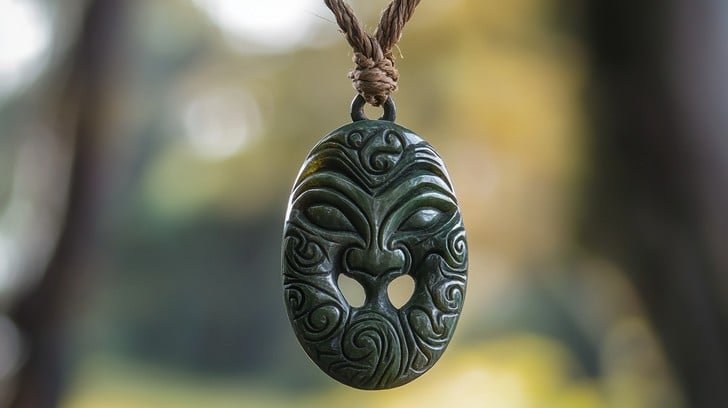
Jade carving is more than an artistic process—it is a sacred tradition that blends nature, culture, spirituality, and craftsmanship into timeless masterpieces. At Real Jade, jade carving represents a deep respect for heritage, authenticity, and perfection. Every carved jade piece reflects centuries of wisdom, skilled artistry, and the natural soul of genuine jade stone. From raw jade selection to intricate final detailing, Real Jade follows a disciplined and refined carving philosophy that honors both tradition and modern elegance.

Understanding Jade Carving

Jade carving is the meticulous process of shaping natural jade stone into symbolic forms such as pendants, statues, ornaments, jewelry, and spiritual artifacts. Unlike many gemstones, jade is extremely tough and fibrous, requiring patience, precision, and mastery to carve.

At Real Jade, carving is not rushed. Each piece is treated as a living stone, respected for its natural color variations, translucency, texture, and energy. The aim is not to force a design onto jade, but to discover the design hidden within the stone itself.


The Significance of Jade in History

Jade has been revered for over 7,000 years, particularly in Chinese civilization, where it was valued more than gold. Emperors, scholars, warriors, and spiritual leaders used jade as a symbol of:

  • Moral integrity

  • Power and authority

  • Protection and immortality

  • Spiritual wisdom

  • Prosperity and harmony

Ancient cultures believed jade carried a spiritual essence capable of protecting the wearer and maintaining balance between body, mind, and soul.

At Real Jade, this historical reverence is preserved through authentic carving methods and culturally meaningful designs.


Jade Carving Philosophy at Real Jade

Respect for the Stone

Real Jade begins every carving journey by respecting the stone’s natural form. Each jade rough is carefully studied to understand:

  • Natural fractures

  • Color distribution

  • Transparency

  • Texture and grain

Rather than altering the stone unnaturally, the carving design adapts to the jade’s organic structure.

Authenticity First

Only 100% genuine jade is used at Real Jade. Whether jadeite or nephrite, each stone is verified for authenticity before carving begins. No artificial coloring, chemical treatments, or synthetic materials are used.

Precision and Patience

Jade carving cannot be rushed. Some intricate pieces take weeks or months to complete. Real Jade artisans emphasize patience, symmetry, and harmony in every cut.


Types of Jade Used at Real Jade

Jadeite

  • Rare and highly valuable

  • Found mainly in Myanmar

  • Bright colors including imperial green, lavender, white, and yellow

  • High translucency and fine texture

Nephrite

  • Known for durability and smooth texture

  • Softer tones such as creamy white, spinach green, and gray

  • Historically used in ancient carvings and ceremonial objects

Real Jade selects jade based on the intended carving design, ensuring the stone’s characteristics align perfectly with the artwork.


Jade Carving Techniques at Real Jade

Hand Carving

Traditional hand carving remains the most respected method. Skilled artisans use specialized tools to gradually shape jade without damaging its structure.

Relief Carving

Designs are carved slightly raised from the surface, commonly used for pendants, plaques, and decorative panels.

Deep Sculptural Carving

Three-dimensional carving used for statues, animal figures, and religious icons.

Polishing and Finishing

Polishing enhances jade’s natural luster without artificial coatings. Real Jade uses fine abrasives to achieve a smooth, glowing finish that reveals jade’s inner beauty.


Symbolism in Real Jade Carvings

Each jade carving carries meaning beyond aesthetics. At Real Jade, symbolism plays a central role in design selection.

Buddha Carvings

Symbolize peace, happiness, spiritual awakening, and protection. Laughing Buddha carvings represent joy and abundance.

Dragon Carvings

Represent power, authority, success, and protection. Dragons are often carved for leaders and entrepreneurs.

Phoenix Carvings

Symbolize rebirth, harmony, and prosperity, often associated with feminine strength.

Guanyin Carvings

Represent compassion, mercy, and divine protection. Popular among spiritual seekers.

Pixiu Carvings

A powerful feng shui symbol believed to attract wealth and guard financial stability.

Lotus Flower Carvings

Symbolize purity, enlightenment, and spiritual growth.

Animal and Nature Motifs

Fish for abundance, elephants for wisdom, turtles for longevity, and bamboo for resilience.


Cultural Importance of Jade Carving

Chinese Tradition

In Confucian philosophy, jade represents five virtues:

  • Benevolence

  • Righteousness

  • Wisdom

  • Courage

  • Integrity

Real Jade preserves these values through ethically sourced jade and culturally respectful designs.

Spiritual Beliefs

Jade is believed to absorb negative energy and promote emotional balance. Many wear jade carvings as protective amulets.

Heirloom Value

Jade carvings are often passed through generations as symbols of family legacy and prosperity.


Jade Carving as Wearable Art

Real Jade transforms carved jade into elegant jewelry pieces such as:

  • Jade pendants

  • Jade bangles

  • Jade rings

  • Jade bracelets

  • Jade beads

Each wearable carving balances symbolism with modern aesthetics, making it suitable for both traditional and contemporary lifestyles.


Feng Shui and Jade Carving

In feng shui practice, jade carvings are placed to enhance positive energy:

  • Wealth corner placements

  • Protective entrance displays

  • Meditation and prayer spaces

  • Office desks for success and clarity

Real Jade designs feng shui carvings aligned with traditional energy principles.


Quality Standards at Real Jade

Every jade carving undergoes strict quality checks:

  • Authenticity verification

  • Structural integrity testing

  • Finish and polish inspection

  • Symbolic accuracy

  • Craftsmanship detailing

Only pieces that meet Real Jade’s premium standards are approved for collection or sale.


Ethical and Sustainable Practices

Real Jade emphasizes ethical sourcing and responsible craftsmanship. Jade is acquired from trusted suppliers, ensuring fair trade and environmental responsibility.


Why Jade Carving at Real Jade Is Unique

  • 100% genuine jade

  • Traditional carving expertise

  • Deep cultural understanding

  • Premium finishing standards

  • Spiritual and symbolic accuracy

  • Custom carving options available

Each Real Jade carving is not mass-produced but individually crafted, making every piece unique.


Investment Value of Jade Carvings

Authentic jade carvings increase in value over time due to:

  • Rarity of high-quality jade

  • Skilled craftsmanship

  • Cultural and spiritual significance

  • Growing global demand

Collectors view Real Jade carvings as both artistic treasures and long-term investments.


Caring for Jade Carvings

To maintain jade’s beauty:

  • Clean gently with soft cloth

  • Avoid harsh chemicals

  • Store separately to prevent scratches

  • Wear regularly to enhance natural luster

Jade is believed to grow more beautiful when worn close to the skin.


Modern Relevance of Jade Carving

In today’s world, jade carving bridges tradition and luxury. Real Jade adapts classic designs into contemporary forms, appealing to collectors, spiritual practitioners, and luxury jewelry lovers alike.


Conclusion: The Soul of Jade Carving at Real Jade

Jade carving at Real Jade is a celebration of nature, tradition, and human artistry. Every carved piece tells a story—of ancient wisdom, skilled hands, spiritual depth, and timeless beauty. More than a gemstone, jade becomes a living symbol of protection, prosperity, and inner harmony.

Choosing a jade carving from Real Jade means owning a piece of heritage, authenticity, and meaningful art that transcends time.
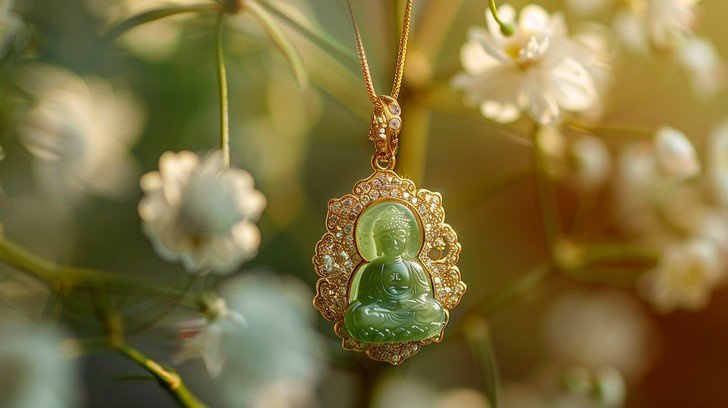
Jade carving is one of the most profound and culturally layered art forms in the history of human civilization. More than a decorative craft, jade carving represents philosophy, belief systems, spiritual balance, social identity, and artistic mastery passed through generations. From ancient dynasties to modern collectors, jade has remained a symbol of purity, virtue, harmony, and eternal value. The act of carving jade is not merely shaping a stone but revealing a hidden spirit believed to reside within the mineral itself. In traditional belief, jade is considered alive, responsive to human intention, and capable of absorbing energy from its environment and wearer. The meaning of jade carving begins with the stone itself. Jade is not valued solely for its beauty but for its moral symbolism. Across ancient cultures, especially in East Asia, jade represented moral excellence. It symbolized kindness, wisdom, integrity, courage, and humility. These values were not abstract concepts but qualities believed to be embodied within jade. When a jade stone was carved, the artisan was thought to be releasing these virtues into a visible form. This belief elevated jade carving beyond craftsmanship into a sacred act of transformation. Historically, jade carving was closely associated with royalty, scholars, and spiritual leaders. Emperors used jade seals as symbols of divine authority. Scholars wore jade pendants to remind themselves of ethical conduct. Warriors carried jade talismans for protection and courage. Burial rites often included jade objects placed with the deceased to preserve the soul and ensure safe passage into the afterlife. These traditions reinforced the belief that jade acted as a bridge between the physical and spiritual worlds. The carving process itself holds deep symbolic meaning. Jade is one of the hardest natural stones, requiring patience, precision, and respect. Unlike softer stones that can be shaped quickly, jade demands slow, deliberate work. This difficulty is symbolic of life itself, where true value is achieved through endurance and discipline. Traditional jade carvers often spent years mastering techniques before touching high quality jade. Each cut was intentional, guided by the stone’s natural structure rather than forcing a predetermined design. This philosophy reflects harmony with nature, a core principle in traditional thought. Every jade carving motif carries specific meaning. Animals, plants, mythical creatures, and abstract forms all serve symbolic purposes. Dragons carved from jade represent power, wisdom, and cosmic balance. Phoenix carvings symbolize rebirth, grace, and prosperity. Lotus motifs reflect purity and spiritual awakening, emerging clean from muddy waters. Bamboo carvings represent resilience and moral strength, bending without breaking. Even simple circular jade discs symbolize eternity and the cycle of life. These meanings transform jade carvings into visual language, where each piece communicates a story without words. Human figures carved in jade often depict sages, deities, or guardians. These figures are not meant to be realistic portraits but spiritual representations. Soft facial expressions and flowing forms reflect inner peace and enlightenment. The absence of sharp angles symbolizes gentleness and harmony. In many traditions, jade Buddhas and immortals are believed to offer protection, clarity of mind, and emotional balance to the wearer. Such carvings are often passed down through families as spiritual heirlooms. The color of jade also contributes significantly to its meaning. Green jade is associated with growth, renewal, and life energy. White jade symbolizes purity, wisdom, and calmness. Lavender jade reflects spiritual awareness and emotional healing. Yellow jade represents prosperity and authority. Black jade is believed to offer strong protection and grounding energy. The natural variations in jade color are embraced rather than corrected, as they are considered expressions of the stone’s unique spirit. Authentic jade carving requires deep understanding of the material. Real jade consists primarily of nephrite and jadeite, each with distinct qualities. True jade has a dense, fibrous structure that gives it exceptional toughness and a smooth, oily luster when polished. Skilled carvers study the stone carefully before beginning, reading internal patterns and natural lines. A well executed jade carving works with these natural features rather than hiding them, enhancing the stone’s inherent beauty. Cultural significance plays a major role in jade carving meaning. In traditional societies, jade was considered more valuable than gold. It represented social status, moral character, and cultural refinement. Giving jade as a gift was an expression of deep respect and goodwill. Wedding jade symbolized marital harmony and lifelong commitment. Newborn jade charms were given to protect children and bless them with good fortune. These customs reinforced jade’s role as a carrier of positive intention. Spiritual beliefs surrounding jade carving extend into healing and energy balance. Jade is believed to stabilize emotions, calm the mind, and promote physical well being. Many cultures associate jade with the heart energy center, linking it to compassion and love. Wearing jade carvings close to the body is thought to harmonize personal energy and protect against negative influences. While modern interpretations may view this symbolically, the tradition remains deeply respected. The artistic value of jade carving lies in its subtlety. Unlike flashy gemstones designed to dazzle, jade invites quiet appreciation. Its beauty reveals itself gradually through touch and contemplation. This understated elegance aligns with philosophical ideals that value inner substance over outward display. A finely carved jade piece does not shout its worth but communicates it through balance, proportion, and tactile warmth. Modern jade carving continues to honor traditional meanings while embracing contemporary design. Today’s artisans blend ancient symbolism with modern aesthetics, creating pieces that resonate with current lifestyles while preserving cultural roots. Minimalist jade carvings focus on form and texture, allowing the stone’s natural qualities to take center stage. These modern interpretations keep jade carving relevant without losing its spiritual depth. The meaning of jade carving also extends into personal identity. Many individuals choose jade carvings that reflect personal values or life goals. A person seeking peace may wear a jade carving symbolizing calmness. Someone pursuing success may choose a prosperity symbol. Over time, jade is believed to bond with its owner, absorbing personal experiences and energy. This belief adds emotional depth to jade carvings, transforming them into deeply personal objects. Authenticity plays a crucial role in jade carving meaning. Genuine jade carries cultural, spiritual, and material value that cannot be replicated by imitations. True jade ages gracefully, developing a deeper luster with wear. This transformation symbolizes growth and accumulated wisdom. Artificial stones lack this living quality, which is why knowledgeable collectors place great importance on authenticity and craftsmanship. Jade carving is also a reflection of patience and mindfulness. The slow carving process encourages focus and presence. Traditional carvers often approach their work as meditation, allowing intuition to guide their hands. This mindful approach infuses the finished piece with calm energy. Owners of jade carvings often describe a sense of peace when touching proficiently carved jade, reinforcing the belief that the stone carries the spirit of its creation. Throughout history, jade carvings have served as cultural records. Archaeological discoveries reveal jade tools, ornaments, and ceremonial objects that provide insight into ancient beliefs and social structures. These artifacts demonstrate how jade carving evolved alongside human civilization, adapting to changing values while retaining core symbolism. In contemporary global culture, jade carving has transcended geographic boundaries. Collectors and enthusiasts worldwide appreciate jade for its artistic and spiritual qualities. Museums showcase ancient jade carvings as masterpieces of human creativity. Designers incorporate jade into modern jewelry and decor, introducing its meaning to new audiences. Despite commercialization, authentic jade carving continues to command respect for its cultural depth. The enduring appeal of jade carving lies in its timeless message. It teaches harmony between humanity and nature, the value of patience, and the pursuit of inner virtue. Each carving is a dialogue between stone and artisan, tradition and innovation, material and spirit. This dialogue is what gives jade carving its profound meaning. In essence, jade carving is a philosophy made tangible. It represents the belief that beauty is revealed through restraint, that strength can be gentle, and that true value endures beyond material wealth. Whether worn as jewelry, displayed as art, or treasured as an heirloom, a jade carving carries layers of meaning that deepen with understanding. The significance of jade carving cannot be confined to a single interpretation. It is simultaneously artistic expression, spiritual symbol, cultural heritage, and personal companion. Its meaning evolves with each generation while remaining rooted in ancient wisdom. This balance between continuity and transformation ensures that jade carving remains one of the most respected and meaningful art forms in human history.

What is the true meaning of jade carving in real jade art?

The true meaning of jade carving lies in its deep connection to spiritual balance, moral virtue, and harmony with nature. In real jade art, carving is believed to reveal the inner spirit of the stone rather than forcing a shape upon it. Traditionally respected across Asia and India alike, jade carvings symbolize purity, wisdom, protection, prosperity, and emotional stability. Authentic jade is valued not only for its beauty but also for its ability to absorb positive energy over time, making each carved piece a personal and cultural expression that grows in significance as it is worn or preserved.