Black jadeite is one of the most rare, misunderstood, and highly valued varieties of jade in the world. While green jadeite often dominates public attention, black jadeite holds a unique position in gemology, culture, spirituality, and high-end jewelry markets. At Real Jade, black jadeite is recognized for its authenticity, geological purity, natural formation, and symbolic depth, making it a prized gemstone among collectors, healers, and connoisseurs.

Understanding Black Jadeite

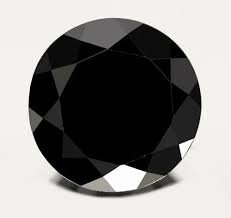
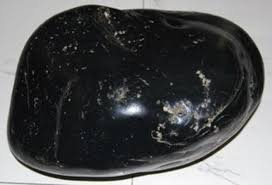
Black jadeite is a natural jadeite mineral that appears black or deep charcoal in color due to high concentrations of iron, graphite, or other dark mineral inclusions. Unlike dyed or treated stones, authentic black jadeite derives its color entirely from natural geological processes that occur deep within the Earth over millions of years.

Jadeite itself is a sodium aluminum silicate, formed under extreme pressure conditions, typically within subduction zones where tectonic plates collide. This intense environment gives jadeite its legendary toughness, density, and durability, properties that are fully present in genuine black jadeite.

At Real Jade, black jadeite is sourced with strict attention to natural origin, mineral integrity, and ethical handling, ensuring that each stone retains its original character without artificial enhancement.


Black Jadeite vs Other Jade Types

One of the most important distinctions to understand is the difference between black jadeite and other dark jade-like stones commonly sold in the market.

Black jadeite is often confused with:

  • Black nephrite

  • Dyed green jade

  • Serpentine marketed as jade

  • Treated or polymer-filled stones

True black jadeite differs in crystal structure, hardness, translucency, and internal grain texture. Jadeite has a tighter, interlocking crystalline structure, which gives it superior polish and strength compared to nephrite.

Real Jade ensures that black jadeite is properly identified and verified, avoiding misrepresentation that is common in commercial jade trade.


Geological Formation of Black Jadeite

The formation of black jadeite is a rare geological phenomenon. Jadeite itself forms only under specific pressure and temperature conditions, typically at depths of 20–40 kilometers beneath the Earth’s surface.

The black coloration develops when:

  • Iron-rich minerals are present during crystallization

  • Carbon or graphite inclusions become embedded

  • Oxidation occurs under high-pressure metamorphic conditions

These factors combine to create deep black, smoky, or dark gray tones, often with subtle green or silvery undertones visible under strong light. This natural complexity is one of the hallmarks of authentic black jadeite at Real Jade.


Physical Characteristics of Real Black Jadeite

Authentic black jadeite possesses distinct physical properties that differentiate it from imitations.

It has a smooth yet dense feel, noticeably heavier than glass or serpentine. When polished, the surface exhibits a soft, oily luster rather than a glassy shine. This is a critical indicator of genuine jadeite.

In many cases, black jadeite is slightly translucent at thin edges, allowing light to pass through faintly. Internally, it may display fine grain textures, cloudy patterns, or mineral streaks, all signs of natural formation rather than artificial coloring.

Real Jade black jadeite stones are never unnaturally uniform. Each piece carries natural variations, which enhance its authenticity and value.


Cultural and Historical Significance

Black jadeite holds deep cultural importance, particularly in Chinese, Mesoamerican, and Southeast Asian traditions.

In ancient Chinese culture, black jade was associated with:

  • Protection from negative energy

  • Strength and authority

  • Wisdom and inner balance

  • Grounding spiritual power

Warriors and rulers valued black jadeite as a symbol of resilience and command, believing it could absorb harmful forces and stabilize the wearer’s spirit.

Among the Maya and Olmec civilizations, jadeite—including darker varieties—was considered more valuable than gold, representing life force, immortality, and divine connection.

Real Jade honors these traditions by presenting black jadeite as more than a gemstone—it is a symbolic artifact rooted in human history.


Spiritual Meaning of Black Jadeite

In modern metaphysical practices, black jadeite is regarded as a powerful grounding and protective stone.

It is believed to:

  • Absorb negative energies

  • Promote emotional stability

  • Enhance focus and decision-making

  • Strengthen resilience during difficult periods

Black jadeite is often associated with the root chakra, helping individuals feel grounded, secure, and connected to the physical world. Unlike lighter jade colors that emphasize harmony and abundance, black jadeite focuses on strength, endurance, and inner control.

At Real Jade, black jadeite is frequently chosen by individuals seeking protective energy and deep emotional balance, rather than decorative appeal alone.


Uses of Black Jadeite at Real Jade

Black jadeite is used across a wide range of applications, each highlighting different aspects of its value.

In jewelry, it is crafted into:

  • Rings

  • Bracelets

  • Pendants

  • Beads

  • Cabochons

Its dark, elegant appearance makes it especially popular in men’s jewelry and minimalist designs, where subtle power is preferred over bright coloration.

Beyond jewelry, black jadeite is used for:

  • Spiritual carvings

  • Protective amulets

  • Meditation stones

  • Collectible mineral specimens

Real Jade emphasizes craftsmanship that respects the stone, ensuring cuts and finishes enhance natural beauty without compromising integrity.


Value Factors of Black Jadeite

The value of black jadeite depends on several critical factors.

Color depth and consistency play a major role. True black jadeite with even coloration and natural depth commands higher value than stones that appear dull or muddy.

Texture and grain quality are equally important. Finer grain structure indicates higher-grade jadeite, contributing to durability and polish quality.

Transparency, though subtle in black jadeite, also adds value. Stones that reveal faint translucence at edges are considered superior.

Origin and authenticity are decisive. Real Jade black jadeite is valued because it is properly identified, untreated, and naturally formed, which significantly increases market trust and long-term worth.


How Real Jade Ensures Authenticity

The jade market is widely known for mislabeling and artificial treatments, making authenticity essential.

Real Jade follows strict principles:

  • No dyeing or color enhancement

  • No polymer impregnation

  • No chemical bleaching

  • Transparent sourcing practices

Each black jadeite stone is assessed for mineral structure, density, color origin, and surface characteristics to ensure it meets genuine jadeite standards.

This commitment positions Real Jade as a trusted source for black jadeite, especially for buyers seeking real stones rather than decorative substitutes.


Black Jadeite in the Global Market

Globally, black jadeite is gaining increased recognition due to:

  • Rising interest in darker gemstones

  • Growth in men’s jade jewelry

  • Increased awareness of jade authenticity

  • Demand from collectors and spiritual practitioners

While green jadeite remains dominant in mainstream jewelry, black jadeite is emerging as a niche luxury and spiritual gemstone, valued for its understated power and rarity.

Real Jade plays a role in educating buyers about this unique stone, helping expand appreciation beyond traditional color expectations.


Caring for Black Jadeite

Black jadeite is extremely tough but still requires proper care.

It should be cleaned using lukewarm water and mild soap, avoiding harsh chemicals or ultrasonic cleaners. Though jadeite resists breakage, it can still be scratched by harder minerals, so separate storage is recommended.

At Real Jade, guidance is provided to ensure black jadeite maintains its natural luster and structural integrity for generations.


Why Choose Black Jadeite from Real Jade

Choosing black jadeite from Real Jade means investing in:

  • Authentic jadeite, not imitation

  • Natural, untreated stones

  • Cultural and spiritual significance

  • Long-term value and durability

  • Ethical sourcing and transparency

Black jadeite is not merely a gemstone—it is a statement of strength, depth, and authenticity. Real Jade presents it in its pure form, allowing buyers to connect with its geological history and symbolic power.


Conclusion

Black jadeite stands as one of the most powerful and rare expressions of jade. Its dark beauty, geological strength, and spiritual symbolism make it a gemstone of profound meaning. At Real Jade, black jadeite is treated with respect, expertise, and authenticity, ensuring each piece reflects its true natural essence.

For collectors, spiritual seekers, and those who value genuine gemstones, black jadeite from Real Jade represents truth, resilience, and timeless strength.
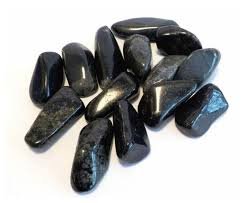
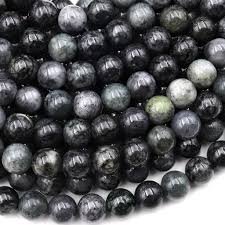
Black jade is one of the most powerful, rare, and misunderstood forms of jade in the gemstone world. Often overshadowed by green jade, black jade carries a depth of meaning, geological complexity, and cultural significance that makes it highly valued among collectors, spiritual practitioners, and gemstone experts. Its dark appearance symbolizes strength, protection, wisdom, and resilience, making it far more than just an ornamental stone. This comprehensive guide explains what black jade truly is, its origins, mineral composition, types, cultural history, spiritual meaning, uses, value factors, and how to identify genuine black jade in today’s global market. What Is Black Jade? Black jade is a natural gemstone belonging to the jade family and appears in deep black, charcoal, dark gray, or black-green shades. Its color is not artificial but results from natural mineral inclusions, primarily iron, carbon, or graphite, formed during intense geological processes. Jade itself exists in two mineral forms: Jadeite Nephrite Black jade can be found in both forms, though black jadeite is rarer and typically more valuable due to its higher density and finer crystalline structure. True black jade is not opaque plastic-like material or dyed stone. Authentic specimens display natural texture, subtle translucency in thin areas, and a soft, oily luster when polished. Geological Formation of Black Jade The formation of black jade requires extreme pressure and temperature conditions, usually occurring deep within the Earth’s crust where tectonic plates collide. Jadeite forms in subduction zones, while nephrite develops through metamorphic alteration of existing rock. The black coloration emerges when: Iron-rich minerals integrate during crystallization Carbon or graphite inclusions become trapped Oxidation reactions occur under pressure These natural conditions cannot be replicated artificially, which is why genuine black jade is rare and highly prized. Each piece carries a unique internal structure, reflecting millions of years of geological transformation. Types of Black Jade Black jade is not a single uniform stone. It exists in several natural variations, each with distinct characteristics. Black Jadeite Black jadeite is the rarest form of black jade. It has a dense, fine-grained crystal structure, excellent durability, and superior polish quality. It may appear jet black or reveal dark green undertones under strong light. Black Nephrite Black nephrite jade is more commonly found and slightly softer than jadeite. It often appears dark gray or black-green and has a fibrous structure that gives it exceptional toughness. Black Jade with Green Undertones Some black jade stones show subtle green hues beneath the surface, especially when light passes through thin edges. This combination enhances visual depth and value. Physical Characteristics of Black Jade Authentic black jade has distinct physical properties that help differentiate it from imitations. It feels noticeably heavy for its size, reflecting high mineral density. The surface polish produces a soft, waxy or oily sheen, rather than a sharp glassy shine. This luster is a key indicator of genuine jade. Internally, black jade may display: Fine grain textures Cloudy or smoky patterns Natural mineral streaks Perfect uniformity is rare in natural jade, and slight variations are considered a sign of authenticity. Historical and Cultural Significance Black jade has played an important role in ancient civilizations for thousands of years. Ancient China In Chinese culture, jade symbolized moral integrity, wisdom, and spiritual balance. Black jade, in particular, was associated with protection, authority, and grounding energy. It was often carved into amulets, seals, and ceremonial objects. Mesoamerican Civilizations The Maya and Olmec revered jade above all other materials, considering it sacred. Dark jade varieties were linked to the underworld, rebirth, and the life force. Southeast Asia Black jade has long been used in spiritual carvings and talismans believed to ward off negative forces and strengthen inner stability. Across cultures, black jade was never viewed as decorative alone—it was considered a stone of power and meaning. Spiritual Meaning of Black Jade In metaphysical traditions, black jade is regarded as a protective and grounding stone. It is believed to: Absorb negative energies Promote emotional stability Encourage self-discipline and control Enhance clarity during stressful situations Black jade is closely associated with the root chakra, which governs security, strength, and connection to the physical world. Unlike lighter jade colors that emphasize harmony and abundance, black jade focuses on resilience, endurance, and inner strength. Many people use black jade during meditation, spiritual rituals, or as a personal talisman for protection. Uses of Black Jade Black jade’s durability and symbolic meaning make it suitable for many applications. Jewelry Black jade is widely used in: Rings Bracelets Pendants Beaded necklaces Men’s jewelry designs Its dark, elegant appearance makes it especially popular for minimalist and masculine styles. Carvings and Artifacts Due to its toughness, black jade is ideal for detailed carvings such as: Spiritual statues Protective symbols Cultural motifs Collectibles Collectors value black jade for its rarity, natural formation, and cultural significance. High-quality specimens are often kept uncut or minimally polished to preserve authenticity. Value Factors of Black Jade Several factors determine the value of black jade. Color quality is important. Deep, natural black tones without dullness or artificial appearance are most desirable. Stones with subtle translucency or green undertones often command higher prices. Texture and grain structure also play a major role. Finer, more compact grain indicates higher-quality jade, especially in jadeite. Authenticity is critical. Natural, untreated black jade is far more valuable than dyed or chemically enhanced stones. Craftsmanship also affects value. Expert cutting and polishing enhance beauty without damaging the stone’s integrity. How to Identify Genuine Black Jade The market is full of jade imitations, making identification essential. Authentic black jade: Feels cool to the touch Is heavier than glass or plastic Has a soft, oily luster Shows natural texture rather than perfect uniformity Fake jade may appear too glossy, lightweight, or perfectly black with no internal variation. Professional testing methods such as density measurement and microscopic analysis are often used to confirm authenticity. Black Jade in the Modern Market Today, black jade is gaining recognition due to growing awareness of jade authenticity and increased demand for darker gemstones. It is especially popular among buyers seeking spiritual meaning, understated luxury, and natural gemstones. While green jade remains dominant in mainstream jewelry, black jade is emerging as a niche luxury stone, appreciated for its depth, symbolism, and rarity. Caring for Black Jade Black jade is extremely tough but should still be cared for properly. It should be cleaned with mild soap and lukewarm water, avoiding harsh chemicals or ultrasonic cleaners. Separate storage is recommended to prevent scratches from harder gemstones. With proper care, black jade can last for generations without losing its beauty or strength. Why Black Jade Is Special Black jade is not merely a gemstone—it is a symbol of strength, protection, and timeless wisdom. Its dark beauty reflects resilience and depth, qualities that have been honored across cultures for centuries. Whether worn as jewelry, used in spiritual practice, or collected as a natural treasure, black jade carries a story shaped by the Earth itself. Conclusion Black jade stands among the most meaningful and powerful gemstones in the world. Its natural formation, cultural heritage, and spiritual symbolism make it far more valuable than its appearance alone suggests. In a market filled with imitations, genuine black jade represents authenticity, endurance, and truth. For those who seek a gemstone that combines geological strength, historical depth, and spiritual grounding, black jade remains an exceptional and timeless choice. Jade has fascinated civilizations for thousands of years. Among the various forms of jade, Real Jade refers to authentic, naturally formed jadeite or nephrite, prized for its beauty, toughness, cultural significance, and spiritual value. Unlike imitation stones or artificially treated minerals, Real Jade embodies millions of years of geological formation, giving it a unique combination of hardness, luster, and color variations that cannot be replicated. This guide provides an in-depth exploration of Real Jade, including its history, types, mineral composition, identification, cultural importance, spiritual significance, applications, care, value factors, and market trends. What Is Real Jade? Real Jade is a natural gemstone classified into two main mineral types: Jadeite – A sodium-aluminum silicate mineral, usually harder and rarer, often highly prized for jewelry. Nephrite – A calcium-magnesium silicate mineral, more abundant, known for its fibrous structure and toughness. The term “Real Jade” is reserved for authentic, untreated jade that has not undergone artificial dyeing, polymer treatment, or bleaching. Its color, texture, and durability are the result of natural geological processes over millions of years. Historical Significance of Real Jade Ancient China Real Jade has been revered in Chinese culture for over 7,000 years. It symbolizes: Purity and moral integrity Immortality and life force Protection and good fortune Chinese artisans carved jade into ceremonial objects, ritual tools, amulets, and jewelry. The stone was so valued that it was considered more precious than gold in certain dynasties. Mesoamerican Civilizations The Maya, Olmec, and Aztec civilizations considered jade a sacred stone, representing life, power, and fertility. Dark jade varieties, including black and deep green jade, were associated with the underworld and spiritual transformation. Other Cultures In Japan, New Zealand, and parts of Southeast Asia, Real Jade has been used for tools, talismans, and sacred carvings, often believed to possess healing and protective properties. Geological Formation of Real Jade Real Jade forms under unique metamorphic conditions, requiring specific pressure, temperature, and chemical environments. Jadeite forms in subduction zones where tectonic plates collide. These high-pressure conditions create tightly interlocking crystals, giving jadeite exceptional hardness and polish. Nephrite forms when ultramafic rocks undergo metamorphism, producing a fibrous, interwoven texture that enhances toughness. The variety of mineral inclusions, trace elements, and geological conditions produces the wide spectrum of jade colors—from deep greens and whites to lavender, black, and yellow. Types of Real Jade Jadeite Origin: Myanmar (Burma) is the most famous source Colors: Emerald green, black, lavender, red, white Properties: Dense, hard (6.5–7 Mohs), excellent polish Value: Highly valuable due to rarity, color intensity, and translucency Nephrite Origin: China, New Zealand, Russia, Canada Colors: Dark green, creamy white, black Properties: Fibrous, extremely tough, slightly softer (6–6.5 Mohs) Value: More abundant, generally lower-priced than jadeite, but prized for carvings and cultural artifacts Physical Characteristics of Real Jade Identifying Real Jade requires attention to color, texture, luster, and density: Color: Uniform yet naturally varied, with depth and subtle undertones Texture: Smooth, dense, and often slightly fibrous (nephrite) or granular (jadeite) Luster: Soft, oily or waxy shine when polished, not glassy Weight: Heavier than glass or plastic imitations due to high mineral density Other unique features include faint translucency at thin edges, internal streaks or inclusions, and resistance to scratches and breakage compared to fake jade. Cultural and Spiritual Significance Protection and Energy Real Jade has long been believed to protect the wearer from harm and absorb negative energies. Black, dark green, or deep-toned jade is particularly valued for grounding and resilience. Harmony and Prosperity Green and lighter-colored jade are often associated with balance, abundance, and good fortune, commonly used in Feng Shui and spiritual rituals. Symbol of Status Historically, owning Real Jade was a sign of power, prestige, and refined taste, reflecting wealth and social status. Uses of Real Jade Jewelry Rings, bracelets, necklaces, earrings, pendants Carved beads or cabochons Minimalist designs highlighting natural color and polish Carvings and Artifacts Statues and sculptures Ritual tools and ceremonial objects Talismanic amulets Collectibles Museum-quality specimens Rare color varieties such as imperial green, lavender, or black jade Geological and historical samples Wellness and Metaphysical Uses Meditation stones Chakra balancing tools Energy healing practices Value Factors of Real Jade The price of Real Jade depends on several key elements: Color Quality Pure, vibrant colors are more valuable Rare colors (imperial green, black, lavender) command higher prices Transparency Semi-transparent jadeite has higher value than opaque varieties Nephrite generally has lower translucency Texture and Grain Finer grains indicate superior jadeite Smooth, consistent texture increases polish and aesthetic appeal Authenticity Natural, untreated jade is far more valuable than dyed or treated stones Certified origin enhances trust and market value Size and Craftsmanship Large, well-shaped stones or expertly carved pieces increase value Detailed craftsmanship preserves natural integrity while enhancing aesthetics Identifying Genuine Real Jade With imitation jade widely available, proper identification is crucial. Tests for authenticity include: Density check: Real jade is heavy for its size Scratch test: Harder than glass or steel (Mohs scale) Visual inspection: Natural inclusions, fibrous or granular texture Luster test: Soft, oily shine Professional certification: Lab verification for jadeite vs nephrite Avoid purchasing jade that is too uniform, overly glossy, or artificially dyed without proper documentation. Caring for Real Jade Proper care ensures Real Jade maintains its beauty for generations: Cleaning: Use mild soap and lukewarm water, avoid harsh chemicals Storage: Keep in soft cloth or separate compartments to avoid scratches Handling: Avoid dropping or knocking against hard surfaces Polishing: Professional polishing can enhance luster without damaging stone With care, Real Jade can remain vibrant and durable for decades or centuries. Black Jade – A Special Variety Black jade is a rare form of Real Jade that embodies protection, strength, and grounding energy. Its dark coloration comes from natural mineral inclusions, not dye. Black jade can be either jadeite or nephrite and is highly valued for spiritual use, masculine jewelry, and collectible purposes. Modern Market and Trends The global jade market has evolved with rising interest in authentic, natural, and ethically sourced gemstones. Real Jade now appeals to: Collectors seeking rare and high-value stones Jewelry designers emphasizing natural beauty and cultural authenticity Spiritual and metaphysical practitioners valuing symbolic energy The demand for authentic jade, particularly jadeite, has increased due to limited supply, cultural appreciation, and investment potential. Why Choose Real Jade Choosing Real Jade guarantees: Authenticity and natural formation High durability and polishability Cultural and historical significance Spiritual and symbolic value Long-term investment potential Whether for jewelry, art, or spiritual practice, Real Jade represents millions of years of natural history and human reverence. Conclusion Real Jade is more than a gemstone; it is a symbol of purity, strength, and heritage. From the ancient civilizations of China and Mesoamerica to modern collectors and spiritual seekers, Real Jade continues to captivate the world with its natural beauty, durability, and profound meaning. Its variety—from classic green to black and rare lavender—offers something for everyone. With proper care and appreciation, Real Jade remains an eternal treasure, connecting geology, culture, and personal symbolism in one enduring stone.

How does the company Real Jade ensure the authenticity of black jadeite?

The company Real Jade ensures black jadeite authenticity by sourcing only natural jadeite stone, avoiding dyes or chemical treatments, and verifying each piece for proper mineral structure, density, and natural color formation before offering it to customers.