Blue jadeite is one of the most captivating and rare varieties of jade, admired for its calming hues, natural elegance, and deep cultural significance. At Real Jade, we specialize in supplying authentic blue jadeite to customers worldwide, offering stones that reflect purity, beauty, and long-term value. Our commitment to quality, ethical sourcing, and customer satisfaction has positioned Real Jade as a trusted name in the global jade industry.

Understanding Blue Jadeite

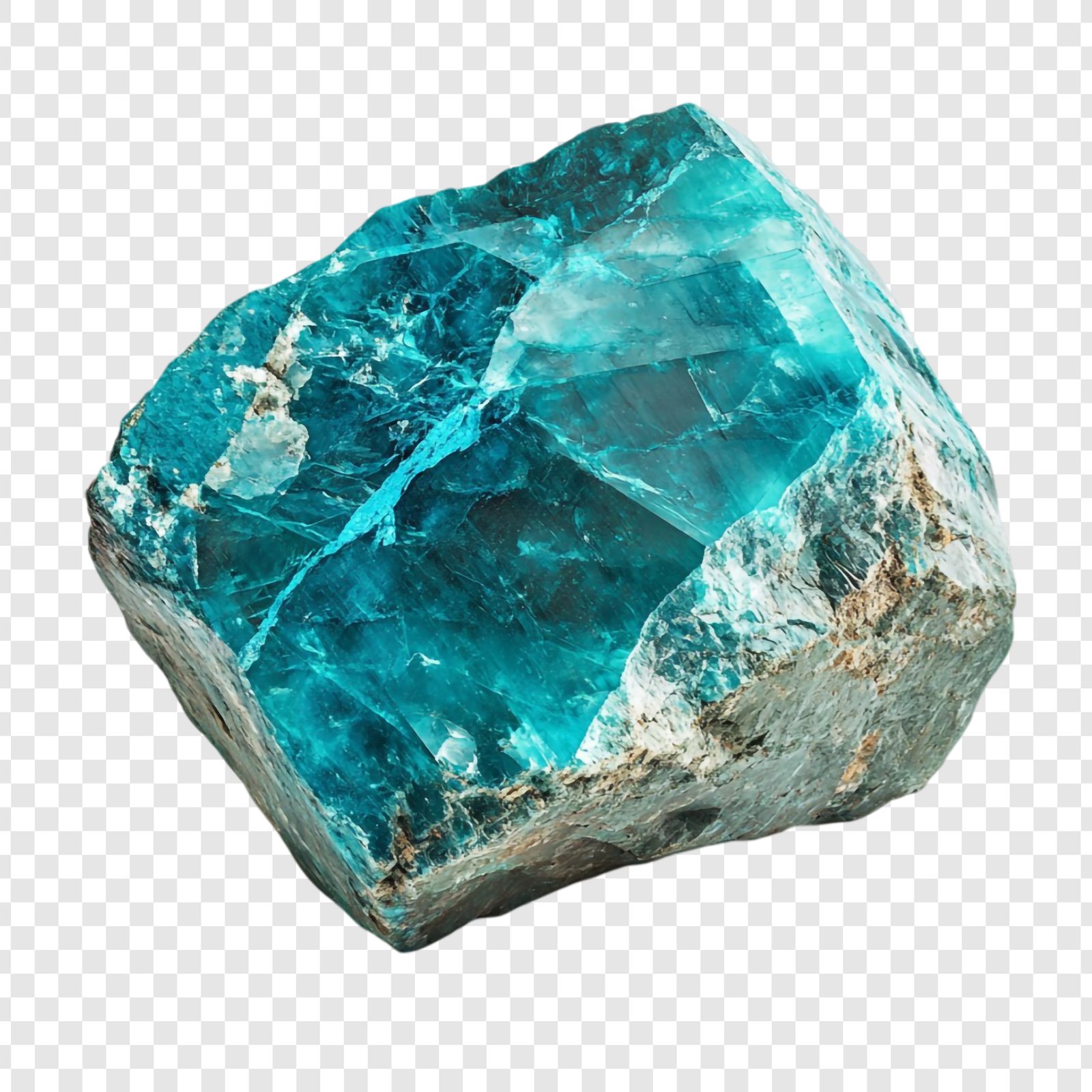
Blue jadeite is a rare and visually striking form of jadeite jade, distinguished by its soft blue to blue-green tones. Unlike more common green jade, blue jadeite gains its color from trace mineral compositions formed naturally over millions of years under intense geological pressure.

The color range may include:

  • Pale sky blue

  • Icy blue

  • Blue-green jadeite

  • Muted ocean blue shades

Each stone is unique, making blue jadeite highly desirable among collectors, jewelers, and jade enthusiasts.


Why Blue Jadeite Is Considered Rare

Blue jadeite is significantly rarer than traditional green jadeite. High-quality deposits are limited, and stones with even coloration, good translucency, and minimal inclusions are increasingly difficult to source. This rarity contributes to its growing demand in international gemstone markets.

At Real Jade, every blue jadeite stone is carefully selected to meet strict quality standards, ensuring customers receive only naturally formed, untreated jadeite.


Cultural and Symbolic Value of Blue Jadeite

Blue jadeite carries powerful symbolism across cultures:

  • Represents peace, calmness, and emotional balance

  • Associated with wisdom, trust, and clarity of thought

  • Believed to promote inner harmony and protection

  • Often used as a spiritual stone for meditation and healing

Because of these meanings, blue jadeite is commonly chosen for jewelry, spiritual artifacts, and meaningful gifts.


Blue Jadeite Quality Factors

When evaluating blue jadeite, several factors determine its value and beauty. At Real Jade, each stone is assessed based on internationally accepted jadeite grading principles.

Color

The most valuable blue jadeite displays even, natural coloration without artificial enhancement. Soft, translucent blue shades with depth and consistency are highly prized.

Transparency

Higher transparency, often referred to as “icy” quality, increases the stone’s desirability and price.

Texture

Fine-grained, smooth textures indicate superior jadeite quality. Coarse or uneven textures reduce value.

Cut and Craftsmanship

Proper cutting enhances the stone’s natural beauty while maintaining its integrity. Real Jade works with skilled craftsmen to preserve the jadeite’s natural elegance.


Authenticity Matters – Real Jade’s Commitment

One of the biggest concerns for buyers worldwide is authenticity. The jade market is flooded with imitations, treated stones, and mislabeled materials. Real Jade guarantees authenticity.

Every blue jadeite supplied by Real Jade:

  • Is 100% natural jadeite

  • Free from artificial dyes or chemical treatments

  • Carefully inspected for quality and origin

  • Selected to meet professional gemstone standards

This commitment builds confidence and long-term trust with our customers.


Blue Jadeite Products at Real Jade

Real Jade offers a diverse range of blue jadeite products to meet different customer needs.

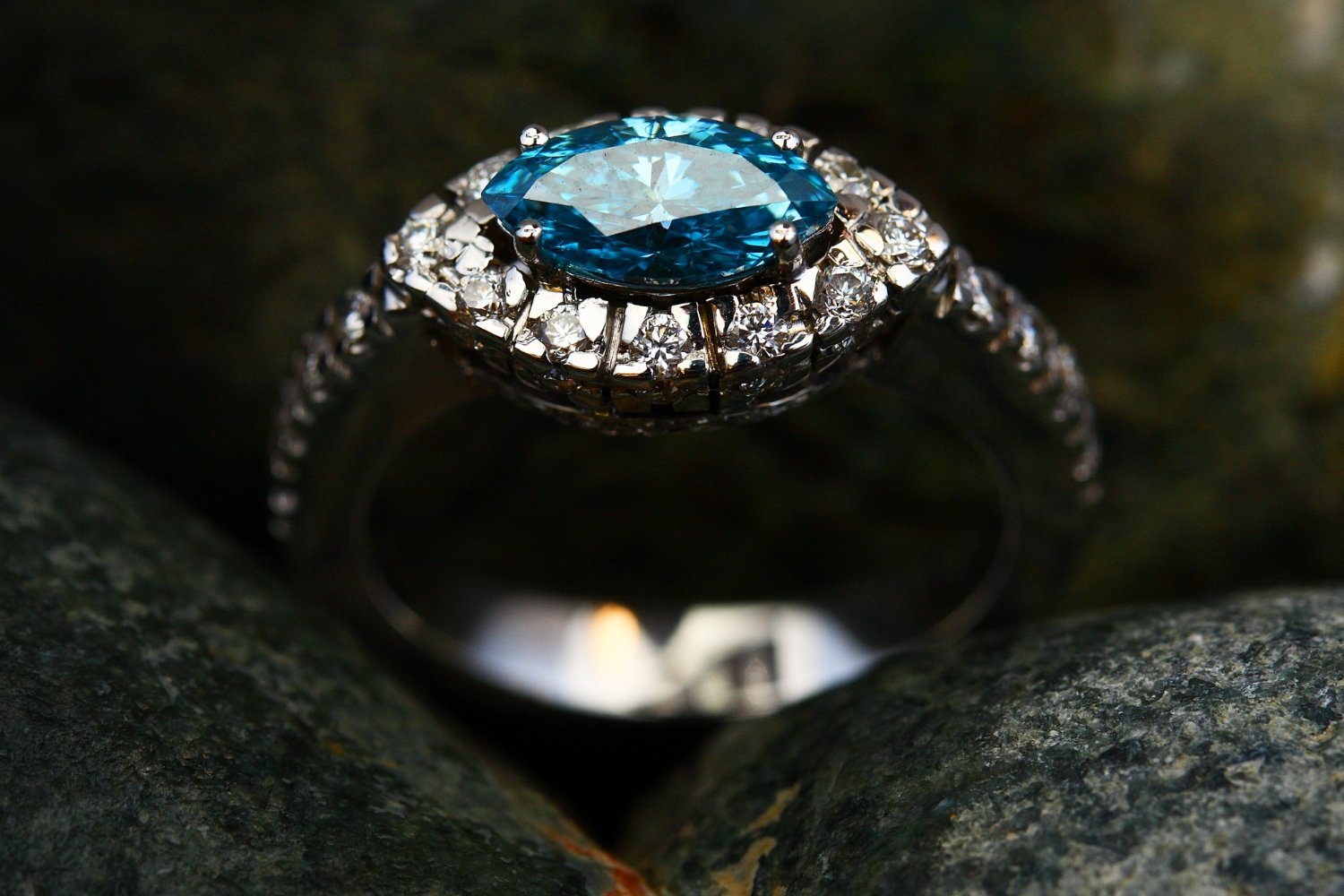
Blue Jadeite Jewelry

  • Rings

  • Pendants

  • Bracelets

  • Necklaces

  • Custom-designed pieces

Each jewelry piece is crafted to highlight the stone’s natural color and translucency.

Loose Blue Jadeite Stones

Ideal for:

  • Jewelry designers

  • Collectors

  • Investors

  • Custom creations

Loose stones are available in various sizes, shapes, and quality grades.

Blue Jadeite Art and Collectibles

  • Carved figurines

  • Spiritual symbols

  • Decorative pieces

These items combine artistry with cultural significance.


Why Choose Real Jade for Blue Jadeite

Trusted Global Supplier

Real Jade supplies blue jadeite to customers across multiple international markets, ensuring consistent quality and transparent sourcing.

Strict Quality Control

Every stone undergoes careful inspection to maintain high standards.

Ethical and Responsible Sourcing

We prioritize ethical practices that respect both the environment and sourcing communities.

Customer-Focused Approach

Our team provides expert guidance, helping customers choose the right blue jadeite based on purpose, budget, and preference.


Blue Jadeite for Investment

Blue jadeite is increasingly viewed as a long-term investment gemstone. Due to its rarity and growing global demand, high-quality blue jadeite has shown strong value retention over time.

Investors choose Real Jade because:

  • Authenticity is guaranteed

  • Quality grading is transparent

  • Market-ready stones are carefully selected


Blue Jadeite in Modern Jewelry Trends

Blue jadeite is gaining popularity in modern jewelry design due to its elegant color and versatility. It pairs beautifully with:

  • Gold

  • White gold

  • Platinum

  • Minimalist and luxury designs

Designers appreciate blue jadeite for its ability to blend traditional meaning with contemporary aesthetics.


How to Care for Blue Jadeite

To maintain the beauty of blue jadeite:

  • Clean gently with mild soap and water

  • Avoid harsh chemicals

  • Store separately to prevent scratches

  • Handle with care despite jadeite’s natural toughness

Real Jade provides care guidance to help customers preserve their jadeite for generations.

Custom Blue Jadeite Solutions

Real Jade also supports:

  • Custom jewelry design

  • Bulk supply for retailers

  • Special requests for collectors

Our flexibility ensures that both individual buyers and businesses receive tailored solutions.


Customer Trust and Satisfaction

Customer satisfaction is central to Real Jade’s philosophy. By supplying only authentic blue jadeite and maintaining open communication, we build long-lasting relationships with clients worldwide.


Final Thoughts – Real Jade and Blue Jadeite Excellence

Blue jadeite is more than a gemstone; it is a symbol of elegance, rarity, and timeless value. At Real Jade, we take pride in supplying authentic blue jadeite that meets the expectations of discerning customers across the globe.

Whether you are purchasing for personal use, jewelry creation, collection, or investment, Real Jade ensures quality, authenticity, and trust in every blue jadeite stone.
## Jade Explained Jade is one of the most revered gemstones in the world, valued for its beauty, durability, cultural significance, and spiritual meaning. For thousands of years, jade has been admired not only as an ornamental stone but also as a symbol of purity, wisdom, prosperity, and protection. Across civilizations, jade has played a vital role in art, tradition, healing practices, and social status. Understanding jade requires exploring its origins, types, properties, cultural importance, and modern-day applications. This detailed explanation provides a comprehensive overview of jade, helping readers appreciate why it remains a timeless and meaningful gemstone. --- ## What Is Jade Jade is a term used to describe two distinct mineral types: jadeite and nephrite. Although they appear similar, these minerals differ in composition, structure, and value. Both forms are exceptionally tough, making jade one of the most durable gemstones used for carving, jewelry, and ceremonial objects. Jadeite is generally rarer and often more valuable, known for its vibrant colors and fine texture. Nephrite is more commonly found and typically appears in softer shades of green, white, or gray. Together, these minerals form what the world collectively recognizes as jade. --- ## Origin and Formation of Jade Jade forms deep within the Earth’s crust under intense pressure and specific geological conditions. This slow and natural formation process contributes to jade’s density, toughness, and smooth texture. Jade deposits are found in limited regions, making high-quality jade relatively rare. Historically, jade was sourced and traded along ancient routes, often reserved for royalty and nobility. Its scarcity and durability elevated its status beyond decorative use, giving it deep symbolic importance. --- ## Types of Jade The two main types of jade each possess unique characteristics. Jadeite is prized for its bright colors, which may include emerald green, lavender, white, yellow, and even black. Nephrite is valued for its creamy texture and earthy tones, commonly appearing in green and white shades. Both types are respected for their strength and ability to be carved into intricate designs. The choice between jadeite and nephrite often depends on cultural preference, design requirements, and intended use. --- ## Physical Properties of Jade Jade is renowned for its exceptional toughness, meaning it resists breaking better than many other gemstones. This quality made jade ideal for tools and weapons in ancient times, as well as for detailed carvings and jewelry. Jade has a smooth, waxy luster when polished, contributing to its elegant appearance. Its dense structure allows artisans to create fine details without compromising durability, which is why jade artifacts often survive for centuries. --- ## Color Variations in Jade Color is one of jade’s most appealing features. While green is the most recognized color, jade exists in many shades. These include white, yellow, brown, gray, lavender, and black. The variation depends on mineral composition and trace elements. Different cultures assign meanings to jade colors. Green jade is associated with harmony and growth, white jade symbolizes purity and calm, and darker jade tones are often linked to protection and strength. --- ## Cultural Significance of Jade Jade holds deep cultural importance, particularly in East Asian civilizations. It has long been associated with virtue, wisdom, and moral integrity. Historically, jade was used in royal seals, ceremonial objects, and burial artifacts. In many traditions, jade represents balance between mind, body, and spirit. It is often gifted to convey respect, good fortune, and lasting relationships. --- ## Jade in Spiritual and Metaphysical Practices Jade is widely regarded as a stone of harmony and protection. Many believe it promotes emotional balance, inner peace, and positive energy. Jade is often used in meditation, healing rituals, and spiritual practices. Some traditions associate jade with attracting prosperity and safeguarding against negative influences. While these beliefs vary, jade’s calming presence continues to appeal to spiritual practitioners worldwide. --- ## Jade in Jewelry Jade jewelry has been worn for centuries and remains popular today. Bracelets, rings, pendants, and necklaces crafted from jade are valued for both beauty and symbolism. Unlike fragile gemstones, jade jewelry is suitable for daily wear due to its toughness. Its smooth surface and natural elegance make it a versatile choice for both traditional and modern designs. --- ## Jade Carvings and Artifacts Jade is highly favored for carving due to its strength and fine texture. Artisans create intricate sculptures, talismans, beads, and decorative items from jade. Carved jade pieces often feature symbolic motifs such as animals, flowers, and mythological figures. These carvings are appreciated for their craftsmanship and cultural meaning. --- ## Jade and Feng Shui In Feng Shui, jade is used to balance energy and promote harmony in living spaces. Jade objects are placed strategically to encourage prosperity, protection, and positive flow of energy. Different jade forms are chosen based on intention, such as attracting success, improving relationships, or enhancing well-being. --- ## Authenticity and Imitations Due to jade’s value, imitations and treated stones are common in the market. Genuine jade has a cool, smooth feel and high density. Authentic jade also produces a clear sound when gently tapped. Understanding authenticity is important for buyers, as real jade holds greater value and durability compared to substitutes. --- ## Caring for Jade Jade requires gentle care to maintain its appearance. It should be cleaned with mild soap and water and wiped with a soft cloth. Avoid harsh chemicals or extreme temperatures. With proper care, jade develops a richer luster over time, often becoming more beautiful with age and wear. --- ## Jade as a Symbolic Gift Jade is a meaningful gift across many cultures. It is commonly given to mark milestones such as weddings, birthdays, and business achievements. The gemstone symbolizes good luck, protection, and enduring bonds, making it a thoughtful and lasting gift choice. --- ## Modern Demand for Jade Today, jade continues to attract global interest. Designers incorporate jade into contemporary jewelry and décor, blending tradition with modern aesthetics. Collectors and enthusiasts value jade for its historical importance, craftsmanship, and timeless appeal. --- ## Investment Value of Jade High-quality jade is considered a valuable asset. Its rarity, durability, and cultural importance contribute to long-term value. Well-crafted jade pieces are often passed down through generations, carrying both material and sentimental worth. --- ## Ethical and Responsible Jade Practices Responsible sourcing is increasingly important in the gemstone industry. Ethical jade practices respect natural resources, craftsmanship traditions, and sustainability. Choosing responsibly sourced jade supports long-term industry integrity and cultural preservation. --- ## Why Jade Remains Timeless Jade’s enduring appeal lies in its combination of beauty, strength, and meaning. Few gemstones offer the same balance of elegance and durability. Across centuries and cultures, jade has maintained its status as a symbol of harmony, prosperity, and protection. --- ## Conclusion Jade is far more than a decorative gemstone. It is a stone rich in history, symbolism, and natural beauty. From ancient traditions to modern design, jade continues to inspire admiration and respect. Understanding jade allows one to appreciate its true value—not just as a gemstone, but as a timeless expression of culture, craftsmanship, and meaning. ## Jade Explained Jade is one of the most revered gemstones in the world, valued for its beauty, durability, cultural significance, and spiritual meaning. For thousands of years, jade has been admired not only as an ornamental stone but also as a symbol of purity, wisdom, prosperity, and protection. Across civilizations, jade has played a vital role in art, tradition, healing practices, and social status. Understanding jade requires exploring its origins, types, properties, cultural importance, and modern-day applications. This detailed explanation provides a comprehensive overview of jade, helping readers appreciate why it remains a timeless and meaningful gemstone. --- ## What Is Jade Jade is a term used to describe two distinct mineral types: jadeite and nephrite. Although they appear similar, these minerals differ in composition, structure, and value. Both forms are exceptionally tough, making jade one of the most durable gemstones used for carving, jewelry, and ceremonial objects. Jadeite is generally rarer and often more valuable, known for its vibrant colors and fine texture. Nephrite is more commonly found and typically appears in softer shades of green, white, or gray. Together, these minerals form what the world collectively recognizes as jade. --- ## Origin and Formation of Jade Jade forms deep within the Earth’s crust under intense pressure and specific geological conditions. This slow and natural formation process contributes to jade’s density, toughness, and smooth texture. Jade deposits are found in limited regions, making high-quality jade relatively rare. Historically, jade was sourced and traded along ancient routes, often reserved for royalty and nobility. Its scarcity and durability elevated its status beyond decorative use, giving it deep symbolic importance. --- ## Types of Jade The two main types of jade each possess unique characteristics. Jadeite is prized for its bright colors, which may include emerald green, lavender, white, yellow, and even black. Nephrite is valued for its creamy texture and earthy tones, commonly appearing in green and white shades. Both types are respected for their strength and ability to be carved into intricate designs. The choice between jadeite and nephrite often depends on cultural preference, design requirements, and intended use. --- ## Physical Properties of Jade Jade is renowned for its exceptional toughness, meaning it resists breaking better than many other gemstones. This quality made jade ideal for tools and weapons in ancient times, as well as for detailed carvings and jewelry. Jade has a smooth, waxy luster when polished, contributing to its elegant appearance. Its dense structure allows artisans to create fine details without compromising durability, which is why jade artifacts often survive for centuries. --- ## Color Variations in Jade Color is one of jade’s most appealing features. While green is the most recognized color, jade exists in many shades. These include white, yellow, brown, gray, lavender, and black. The variation depends on mineral composition and trace elements. Different cultures assign meanings to jade colors. Green jade is associated with harmony and growth, white jade symbolizes purity and calm, and darker jade tones are often linked to protection and strength. --- ## Cultural Significance of Jade Jade holds deep cultural importance, particularly in East Asian civilizations. It has long been associated with virtue, wisdom, and moral integrity. Historically, jade was used in royal seals, ceremonial objects, and burial artifacts. In many traditions, jade represents balance between mind, body, and spirit. It is often gifted to convey respect, good fortune, and lasting relationships. --- ## Jade in Spiritual and Metaphysical Practices Jade is widely regarded as a stone of harmony and protection. Many believe it promotes emotional balance, inner peace, and positive energy. Jade is often used in meditation, healing rituals, and spiritual practices. Some traditions associate jade with attracting prosperity and safeguarding against negative influences. While these beliefs vary, jade’s calming presence continues to appeal to spiritual practitioners worldwide. --- ## Jade in Jewelry Jade jewelry has been worn for centuries and remains popular today. Bracelets, rings, pendants, and necklaces crafted from jade are valued for both beauty and symbolism. Unlike fragile gemstones, jade jewelry is suitable for daily wear due to its toughness. Its smooth surface and natural elegance make it a versatile choice for both traditional and modern designs. --- ## Jade Carvings and Artifacts Jade is highly favored for carving due to its strength and fine texture. Artisans create intricate sculptures, talismans, beads, and decorative items from jade. Carved jade pieces often feature symbolic motifs such as animals, flowers, and mythological figures. These carvings are appreciated for their craftsmanship and cultural meaning. --- ## Jade and Feng Shui In Feng Shui, jade is used to balance energy and promote harmony in living spaces. Jade objects are placed strategically to encourage prosperity, protection, and positive flow of energy. Different jade forms are chosen based on intention, such as attracting success, improving relationships, or enhancing well-being. --- ## Authenticity and Imitations Due to jade’s value, imitations and treated stones are common in the market. Genuine jade has a cool, smooth feel and high density. Authentic jade also produces a clear sound when gently tapped. Understanding authenticity is important for buyers, as real jade holds greater value and durability compared to substitutes. --- ## Caring for Jade Jade requires gentle care to maintain its appearance. It should be cleaned with mild soap and water and wiped with a soft cloth. Avoid harsh chemicals or extreme temperatures. With proper care, jade develops a richer luster over time, often becoming more beautiful with age and wear. --- ## Jade as a Symbolic Gift Jade is a meaningful gift across many cultures. It is commonly given to mark milestones such as weddings, birthdays, and business achievements. The gemstone symbolizes good luck, protection, and enduring bonds, making it a thoughtful and lasting gift choice. --- ## Modern Demand for Jade Today, jade continues to attract global interest. Designers incorporate jade into contemporary jewelry and décor, blending tradition with modern aesthetics. Collectors and enthusiasts value jade for its historical importance, craftsmanship, and timeless appeal. --- ## Investment Value of Jade High-quality jade is considered a valuable asset. Its rarity, durability, and cultural importance contribute to long-term value. Well-crafted jade pieces are often passed down through generations, carrying both material and sentimental worth. --- ## Ethical and Responsible Jade Practices Responsible sourcing is increasingly important in the gemstone industry. Ethical jade practices respect natural resources, craftsmanship traditions, and sustainability. Choosing responsibly sourced jade supports long-term industry integrity and cultural preservation. --- ## Why Jade Remains Timeless Jade’s enduring appeal lies in its combination of beauty, strength, and meaning. Few gemstones offer the same balance of elegance and durability. Across centuries and cultures, jade has maintained its status as a symbol of harmony, prosperity, and protection. --- ## Conclusion Jade is far more than a decorative gemstone. It is a stone rich in history, symbolism, and natural beauty. From ancient traditions to modern design, jade continues to inspire admiration and respect. Understanding jade allows one to appreciate its true value—not just as a gemstone, but as a timeless expression of culture, craftsmanship, and meaning.

How can I be sure the blue jadeite from Real Jade is authentic?

Real Jade supplies only 100% natural blue jadeite that is carefully inspected and sourced through trusted channels, ensuring genuine quality without artificial treatments.