
Product categories
Jade has fascinated civilizations for thousands of years. Revered for its beauty, durability, and deep cultural symbolism, jade is far more than just a gemstone—it is a symbol of prosperity, protection, and prestige. When buyers explore jade today, one of the most common and important questions is about jade cost. At Real Jade, understanding jade pricing is not simply about numbers; it is about transparency, authenticity, and value.
Understanding Jade: More Than One Stone
Before discussing jade cost, it is essential to understand what jade actually is. Many buyers are surprised to learn that jade is not a single mineral.
Jadeite vs Nephrite
There are two genuine types of jade:
Jadeite
Jadeite is the rarer and more valuable form of jade. It has a tighter crystal structure, higher brilliance, and often appears in vibrant colors such as emerald green, lavender, red, yellow, and white. Imperial green jadeite is the most expensive jade in the world.
Nephrite
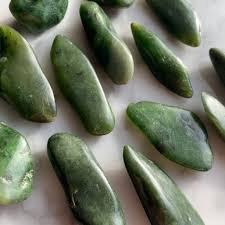
Nephrite jade is more common and typically appears in creamy white, light green, dark green, and brown tones. While generally more affordable than jadeite, high-quality nephrite still holds significant value and durability.
At Real Jade, both jadeite and nephrite are carefully sourced, authenticated, and graded, ensuring customers understand exactly what they are purchasing.
What Determines Jade Cost at Real Jade
Jade cost is influenced by multiple factors working together. Unlike diamonds, jade does not follow a single standardized price chart. Instead, each piece is evaluated holistically.
Type of Jade
The first and most important pricing factor is the jade type.
Jadeite commands a higher price due to rarity and demand, especially fine-grade jadeite sourced from Myanmar. Nephrite, while still valuable, is generally priced lower due to wider availability.
Color Quality
Color is one of the strongest drivers of jade cost.
Highly saturated, evenly distributed color significantly increases value. In jadeite, vivid emerald green, rich lavender, and intense red are premium. In nephrite, creamy white and deep spinach green are most desirable.
At Real Jade, color grading is done under controlled lighting to ensure accurate assessment.
Transparency and Clarity in Jade Pricing
Unlike many gemstones, jade is rarely transparent. However, clarity still plays a crucial role.
Texture and Translucency
Fine jade has a smooth, compact texture and good translucency. Light passing through jade enhances its visual depth and beauty. Stones with coarse grain or cloudy appearance are valued lower.
Real Jade prioritizes stones with refined texture, ensuring customers receive jade that not only looks beautiful but also holds long-term value.
Carat Weight and Size Impact on Jade Cost
Unlike diamonds, jade cost does not increase linearly with size.
Why Bigger Is Not Always Better
A large jade stone with poor color or texture may cost less than a smaller stone with exceptional quality. However, when size and quality combine, prices increase exponentially.
At Real Jade, pricing reflects a balance of size, quality, and craftsmanship, rather than weight alone.
Jade Cost per Gram at Real Jade
Many buyers search for jade cost per gram, but jade pricing is more complex than simple weight calculations.
Average Price Ranges
While prices fluctuate based on quality and market conditions, jade at Real Jade typically falls into the following ranges:
Entry-level jade pieces are accessible for everyday jewelry and spiritual use.
Mid-grade jade offers excellent color and durability for collectors.
High-grade jadeite commands premium pricing and is often considered an investment gemstone.
Each piece at Real Jade is priced individually, based on its unique characteristics.
Natural vs Treated Jade and Price Differences
One critical factor affecting jade cost is whether the stone is natural or treated.
Jade Treatment Categories
Natural jade (Type A) is untreated and retains its original structure. This is the most valuable category.
Treated jade (Type B or C) may be bleached, dyed, or polymer-filled, significantly reducing its value.
Real Jade deals exclusively in authentic, clearly disclosed jade, ensuring buyers never overpay for treated stones.
Craftsmanship and Its Role in Jade Cost
Jade is one of the toughest gemstones to carve, which directly affects cost.
Hand-Carved vs Machine-Cut Jade
Hand-carved jade requires exceptional skill, time, and experience. Intricate designs, smooth polish, and balanced proportions increase value.
Real Jade collaborates with skilled artisans who respect traditional carving techniques, ensuring each piece reflects craftsmanship worthy of the stone.
Cultural and Symbolic Value in Jade Pricing
Jade carries immense cultural importance, especially in Asian, Middle Eastern, and global luxury markets.
Symbolism Adds Value
Jade symbolizes prosperity, longevity, harmony, and protection. Certain motifs—such as dragons, bangles, Buddha pendants, and bangles—are especially sought after.
At Real Jade, cultural relevance and symbolic meaning are considered when evaluating jade cost, particularly for heirloom pieces.
Market Demand and Jade Cost Fluctuations
Jade pricing is influenced by global demand and availability.
Global Market Trends
Demand for high-quality jadeite continues to rise, particularly in luxury jewelry markets. Limited mining output, especially from Myanmar, further drives prices upward.
Real Jade closely monitors market trends to ensure fair and competitive pricing without compromising quality.
Jade Jewelry vs Loose Jade Cost
Pricing also depends on whether jade is sold as jewelry or a loose stone.
Finished Jewelry Pricing
Jade jewelry includes additional costs such as design, metal settings, labor, and finishing. Gold and platinum settings further increase overall cost.
Real Jade clearly separates gemstone value from craftsmanship value, offering transparency in pricing.
Jade Cost as an Investment
High-quality jade is increasingly viewed as a long-term investment.
Why Jade Holds Value
Jade does not depreciate like mass-produced gemstones. Fine jadeite, especially untreated stones, often appreciates over time.
Real Jade focuses on sourcing investment-grade jade, making it suitable for collectors and serious buyers.
How Real Jade Ensures Fair Pricing
Trust is essential when purchasing jade.
Authentication and Certification
Every jade piece at Real Jade undergoes professional evaluation. Authenticity, treatment status, and quality are verified before pricing.
Ethical Sourcing
Real Jade emphasizes responsible sourcing and transparent supply chains, adding ethical value to every purchase.
Comparing Jade Cost at Real Jade vs Market Prices
While jade prices vary widely across markets, Real Jade positions itself as a balance between luxury and fairness.
Buyers benefit from competitive pricing, guaranteed authenticity, and expert guidance, ensuring value beyond cost alone.
Common Myths About Jade Cost
Many misconceptions exist around jade pricing.
Some believe all green stones are jade, which is incorrect.
Others assume heavier jade is always more valuable, which is also false.
Many buyers underestimate the impact of treatment on value.
Real Jade educates customers to avoid costly mistakes.
How to Choose the Right Jade for Your Budget
Understanding jade cost helps buyers make confident decisions.
For daily wear, mid-grade jade offers beauty and durability.
For gifting, symbolic carvings add emotional value.
For investment, untreated jadeite with strong color and texture is ideal.
Real Jade provides expert consultation to match jade with purpose and budget.
Jade Cost at Real Jade: Long-Term Value Over Price
When evaluating jade cost, buyers should consider long-term satisfaction rather than initial price.
A genuine, well-sourced jade piece offers durability, cultural significance, and timeless beauty. Real Jade prioritizes quality and authenticity, ensuring each purchase becomes a lasting asset.
Final Thoughts on Jade Cost at Real Jade
Jade cost is not defined by a single number—it is shaped by rarity, beauty, craftsmanship, and trust. At Real Jade, pricing reflects a deep respect for the gemstone and the customer.
Whether you are a first-time buyer, collector, or investor, understanding jade cost empowers you to choose wisely. Real Jade stands as a reliable destination for authentic jade, fair pricing, and lasting value.
What determines jade cost at Real Jade?
Jade cost at Real Jade is determined by the type of jade (jadeite or nephrite), color quality, texture, translucency, size, craftsmanship, and whether the jade is natural or treated, ensuring fair pricing and authentic value.