Coral Jade is a captivating and meaningful gemstone that stands out for its warm tones, natural elegance, and deep cultural value. At Real Jade, Coral Jade is appreciated not only for its visual appeal but also for its symbolic significance, durability, and versatility in jewelry and spiritual use.

Understanding Coral Jade

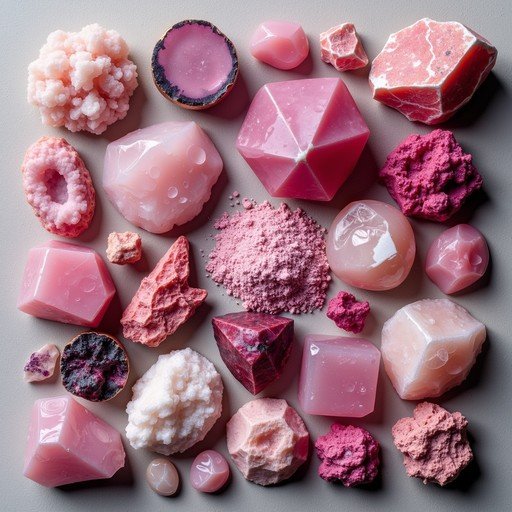
Coral Jade is often associated with soothing coral-like hues ranging from soft peach and pink to deep reddish-orange tones. While traditional jade is known for green shades, Coral Jade offers a refreshing variation that appeals to collectors and jewelry lovers seeking uniqueness. The stone carries the strength and resilience of jade combined with the warmth and vibrancy of coral-inspired coloration.

At Real Jade, Coral Jade is carefully selected to ensure authenticity, quality, and natural beauty. Each piece reflects refined craftsmanship and respect for the gemstone’s natural character.

Origin and Formation of Coral Jade

Coral Jade is formed through geological processes similar to other jade varieties, where mineral-rich environments and immense pressure over time create a dense, durable stone. The coral coloration may occur naturally or through mineral influence that gives the jade its distinctive hue. This process results in a gemstone that is both strong and visually striking.

Regions known for jade production contribute to Coral Jade availability, and expert sourcing ensures that the stone meets international quality standards. Real Jade focuses on ethically sourced Coral Jade that preserves its natural structure and color integrity.

Physical and Visual Characteristics

Coral Jade is admired for its smooth texture, fine grain, and polished finish. It typically exhibits:

  • A soft to vibrant coral or reddish tone

  • High durability and toughness

  • A glossy, elegant surface when polished

  • Subtle natural patterns that enhance uniqueness

These characteristics make Coral Jade suitable for rings, bracelets, necklaces, pendants, beads, and ornamental pieces. Its warm color complements both traditional and modern jewelry designs.

Symbolism and Meaning of Coral Jade

Coral Jade holds deep symbolic meaning across cultures. Traditionally, jade is associated with protection, wisdom, harmony, and longevity. Coral Jade adds emotional warmth and vitality to these qualities.

The stone is often linked to:

  • Emotional balance and calmness

  • Inner strength and confidence

  • Positive energy and motivation

  • Protection from negative influences

At Real Jade, Coral Jade is valued as a gemstone that supports emotional well-being while maintaining jade’s traditional symbolism of stability and prosperity.

Spiritual and Healing Beliefs

In crystal and energy practices, Coral Jade is believed to work closely with emotional and heart-centered energies. Many believe it helps release stress, promote self-love, and encourage emotional healing. The stone is also thought to enhance personal growth and resilience during challenging times.

While these beliefs are traditional and cultural rather than medical, Coral Jade continues to be cherished by those who appreciate gemstones for their spiritual significance.

Coral Jade in Jewelry Design

Coral Jade is highly versatile in jewelry making. Its unique color allows designers to create standout pieces that feel both elegant and earthy. At Real Jade, Coral Jade jewelry is crafted to highlight the gemstone’s natural charm while ensuring durability and comfort.

Common Coral Jade jewelry styles include:

  • Beaded bracelets for daily wear

  • Elegant pendants that highlight the stone’s color

  • Statement rings that combine beauty with symbolism

  • Necklaces that blend Coral Jade with precious metals

The gemstone pairs beautifully with gold, silver, and rose gold, enhancing its warm tones.

Why Choose Coral Jade from Real Jade

Real Jade is committed to offering genuine, high-quality jade gemstones. Coral Jade from Real Jade is carefully evaluated for authenticity, finish, and overall quality. Each piece reflects attention to detail, ethical sourcing, and expert craftsmanship.

Customers choose Real Jade for Coral Jade because of trust, transparency, and consistent quality. The brand focuses on delivering gemstones that meet both aesthetic and traditional expectations.

Caring for Coral Jade

Proper care helps maintain the beauty and longevity of Coral Jade. Although jade is durable, it should be handled with care to preserve its polish and color.

Basic care guidelines include:

  • Cleaning with a soft cloth and mild soap

  • Avoiding harsh chemicals and ultrasonic cleaners

  • Storing separately to prevent scratches

  • Keeping away from extreme heat or impact

With proper care, Coral Jade jewelry can remain beautiful for generations.

Coral Jade as a Collectible Gemstone

Collectors value Coral Jade for its distinctive color and symbolic meaning. Its rarity compared to traditional green jade makes it a desirable addition to gemstone collections. High-quality Coral Jade pieces are often passed down as heirlooms due to their durability and timeless appeal.

Real Jade ensures that collectors receive Coral Jade that reflects true craftsmanship and long-term value.

Cultural Importance of Coral Jade

Across cultures, jade has long been associated with prosperity, protection, and wisdom. Coral Jade adds an emotional and energetic warmth to this heritage. It is often chosen for meaningful gifts, spiritual jewelry, and personal talismans.

In modern times, Coral Jade bridges tradition and contemporary fashion, making it relevant for a global audience.

Coral Jade for Gifting and Personal Use

Coral Jade is an excellent choice for meaningful gifting. Its color symbolizes warmth, care, and emotional connection, making it suitable for anniversaries, celebrations, and personal milestones.

At Real Jade, Coral Jade is presented as more than a gemstone—it is a symbol of emotion, balance, and enduring beauty.

Sustainability and Ethical Considerations

Real Jade emphasizes responsible sourcing and ethical practices. Coral Jade is selected with care to ensure minimal environmental impact and respect for traditional mining communities. This approach aligns with growing global demand for sustainable gemstone practices.

Modern Demand and Global Appeal

The demand for Coral Jade is growing worldwide due to increased interest in unique jade varieties and meaningful gemstones. Buyers appreciate its distinctive appearance, cultural roots, and versatility in jewelry.

Real Jade caters to a global audience, offering Coral Jade that meets international preferences while maintaining traditional authenticity.

Conclusion

Coral Jade is a remarkable gemstone that combines the strength of jade with warm, coral-inspired beauty. At Real Jade, Coral Jade represents authenticity, elegance, and emotional significance. From jewelry and spiritual use to collecting and gifting, Coral Jade continues to captivate gemstone lovers across the world.

With its unique color, symbolic depth, and durable nature, Coral Jade stands as a timeless choice for those who value beauty with meaning. Choosing Coral Jade from Real Jade ensures quality, trust, and a gemstone that reflects both tradition and modern sophistication.
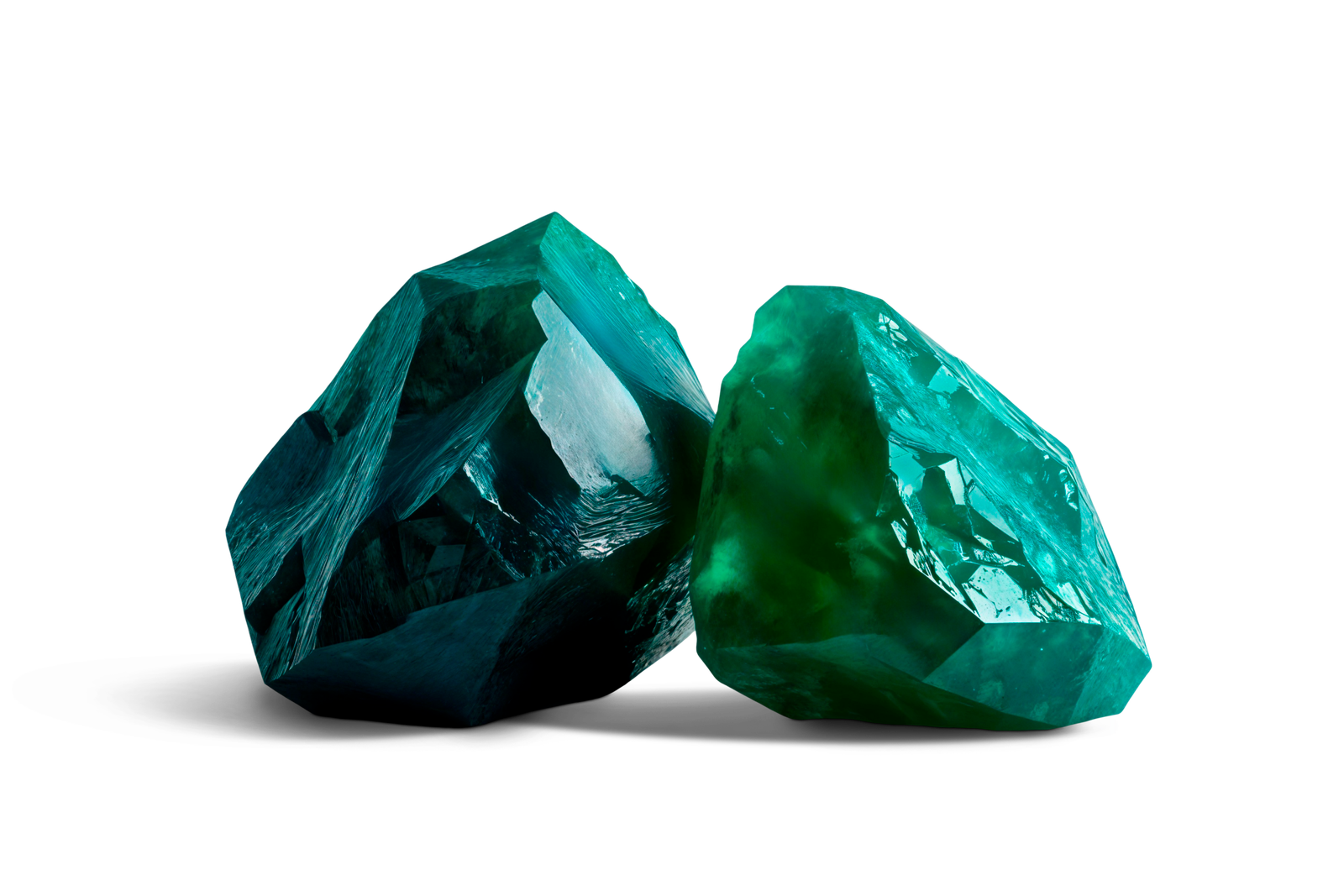
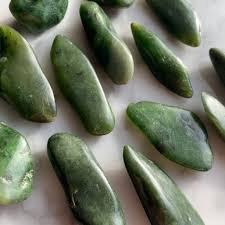
Real Jade Explained: A Complete Guide to Authentic Jade Stones Real jade has fascinated civilizations for thousands of years. Revered for its beauty, durability, and deep spiritual symbolism, jade is more than just a gemstone—it is a cultural treasure, a protective talisman, and a symbol of purity, harmony, and prosperity. From ancient Chinese dynasties to modern luxury jewelry collections, real jade continues to hold a timeless appeal across the world. However, jade is also one of the most misunderstood gemstones. Many stones sold as “jade” are actually imitations or other minerals, leading to confusion among buyers. Understanding what real jade is, how it differs from fake jade, and how to identify genuine jade is essential for anyone looking to invest in this precious stone. This in-depth guide explains everything you need to know about real jade, including its types, colors, meanings, benefits, authenticity tests, uses in jewelry, and tips for buying genuine jade with confidence. What Is Real Jade? Real jade is a natural gemstone that belongs to one of two mineral categories: jadeite or nephrite. These two minerals are the only stones scientifically recognized as true jade. While they share a similar appearance, their chemical composition, hardness, rarity, and value differ significantly. Jade is admired for its smooth texture, exceptional toughness, and gentle translucency. Unlike many gemstones that are valued for brilliance or sparkle, jade is prized for its rich color, silky luster, and spiritual depth. For centuries, jade has symbolized virtues such as wisdom, courage, compassion, and balance. In many cultures, owning real jade is believed to bring good fortune, protection, and emotional stability. The Two Types of Real Jade Jadeite Jade Jadeite is the rarer and more valuable form of real jade. It is a sodium aluminum silicate mineral and is known for its vivid colors and high translucency. The most prized jadeite comes from Myanmar and is often associated with imperial jade jewelry. Jadeite occurs in a wide range of colors, including emerald green, lavender, red, yellow, white, black, and blue. Among these, intense green jadeite with excellent transparency commands the highest value in the gemstone market. Due to its rarity and beauty, jadeite is commonly used in high-end jewelry such as bangles, pendants, rings, and carved artifacts. Nephrite Jade Real jade has fascinated civilizations for thousands of years. Revered for its beauty, durability, and deep spiritual symbolism, jade is more than just a gemstone—it is a cultural treasure, a protective talisman, and a symbol of purity, harmony, and prosperity. From ancient Chinese dynasties to modern luxury jewelry collections, real jade continues to hold a timeless appeal across the world. However, jade is also one of the most misunderstood gemstones. Many stones sold as “jade” are actually imitations or other minerals, leading to confusion among buyers. Understanding what real jade is, how it differs from fake jade, and how to identify genuine jade is essential for anyone looking to invest in this precious stone. This in-depth guide explains everything you need to know about real jade, including its types, colors, meanings, benefits, authenticity tests, uses in jewelry, and tips for buying genuine jade with confidence. What Is Real Jade? Real jade is a natural gemstone that belongs to one of two mineral categories: jadeite or nephrite. These two minerals are the only stones scientifically recognized as true jade. While they share a similar appearance, their chemical composition, hardness, rarity, and value differ significantly. Jade is admired for its smooth texture, exceptional toughness, and gentle translucency. Unlike many gemstones that are valued for brilliance or sparkle, jade is prized for its rich color, silky luster, and spiritual depth. For centuries, jade has symbolized virtues such as wisdom, courage, compassion, and balance. In many cultures, owning real jade is believed to bring good fortune, protection, and emotional stability. The Two Types of Real Jade Jadeite Jade Jadeite is the rarer and more valuable form of real jade. It is a sodium aluminum silicate mineral and is known for its vivid colors and high translucency. The most prized jadeite comes from Myanmar and is often associated with imperial jade jewelry. Jadeite occurs in a wide range of colors, including emerald green, lavender, red, yellow, white, black, and blue. Among these, intense green jadeite with excellent transparency commands the highest value in the gemstone market. Due to its rarity and beauty, jadeite is commonly used in high-end jewelry such as bangles, pendants, rings, and carved artifacts. Nephrite Jade Nephrite is more abundant and slightly softer than jadeite, but it is still incredibly durable. It is composed of calcium magnesium silicate and is known for its fibrous structure, which makes it exceptionally tough and resistant to breakage. Nephrite jade is commonly found in shades of green, creamy white, gray, and brown. Historically, nephrite was the primary jade used in ancient China, New Zealand, and Central Asia for tools, weapons, ornaments, and ceremonial objects. Although nephrite is generally less expensive than jadeite, high-quality nephrite with a smooth texture and rich color is still highly valued. The Cultural and Historical Significance of Real Jade Jade has played a vital role in human history for over 7,000 years. In ancient China, jade was considered more valuable than gold and symbolized moral integrity, immortality, and heavenly power. Emperors were buried with jade burial suits to protect the body and soul in the afterlife. In Mesoamerican civilizations such as the Maya and Aztecs, jade represented life, fertility, and the sacred connection between humans and nature. In New Zealand, Māori tribes revered nephrite jade, known as pounamu, as a spiritual stone passed down through generations. Even today, real jade remains deeply embedded in cultural traditions, spiritual practices, and heirloom jewelry across Asia and beyond. Meanings and Symbolism of Real Jade Real jade carries powerful symbolic meanings that transcend cultures and time periods. It is widely associated with harmony, balance, and inner peace. Many people believe jade helps align the mind, body, and spirit, promoting emotional stability and clarity. Jade is also a symbol of prosperity and abundance. Wearing or carrying real jade is thought to attract wealth, success, and good luck, especially in business and financial matters. For this reason, jade jewelry and carvings are often gifted during important life events such as weddings, births, and career milestones. Additionally, jade represents protection. Historically, warriors wore jade amulets as shields against harm, and even today, jade is believed to absorb negative energy and protect the wearer from misfortune. Colors of Real Jade and Their Meanings Real jade occurs in a wide spectrum of colors, each with its own unique meaning and appeal. Green jade is the most iconic and symbolizes growth, renewal, harmony, and prosperity. It is the color most commonly associated with traditional jade jewelry. White jade represents purity, peace, and clarity of thought. It is often chosen for spiritual practices and meditation. Lavender jade is associated with emotional healing, grace, and spiritual awareness. Its soft, calming hue makes it highly sought after. Yellow jade symbolizes optimism, confidence, and personal power, while red jade represents passion, vitality, and protection. Black jade is linked to strength and grounding energy, and blue jade is believed to encourage calmness and communication. Benefits of Wearing Real Jade Real jade is valued not only for its beauty but also for its believed physical, emotional, and spiritual benefits. Many people wear jade as a wellness stone, trusting its calming and balancing properties. Emotionally, jade is thought to reduce stress, ease anxiety, and promote emotional healing. It encourages patience, compassion, and self-acceptance, making it an ideal stone for those seeking inner peace. Spiritually, jade is believed to strengthen intuition, protect the aura, and enhance meditation practices. It is often used as a talisman for spiritual growth and enlightenment. Physically, traditional beliefs associate jade with improved circulation, detoxification, and overall vitality. While these benefits are not scientifically proven, jade remains an important stone in holistic and alternative wellness traditions. How to Identify Real Jade Identifying real jade requires careful observation and, in some cases, professional testing. Genuine jade has a smooth, dense feel and feels cool to the touch even in warm environments. Real jade is extremely tough and difficult to scratch. It does not chip easily and has a waxy to oily luster rather than a glassy shine. When tapped gently, real jade produces a soft, ringing sound instead of a dull thud. Translucency is another indicator. High-quality jade allows light to pass through its edges, creating a soft glow. However, translucency varies depending on the type and quality of jade. Because imitations are common, laboratory certification is the most reliable way to confirm authenticity. Common Imitations of Jade Many stones are sold as jade but are not real jade. These include serpentine, aventurine, glass, quartz, and dyed stones. While they may look similar at first glance, they lack the durability, density, and spiritual significance of genuine jade. Dyed jade and treated stones are also common in the market. These stones may be chemically enhanced to improve color but are less valuable than untreated natural jade. Understanding these differences helps buyers make informed decisions. Real Jade in Jewelry Real jade is widely used in jewelry due to its strength and timeless elegance. Jade bangles are especially popular and symbolize unity, protection, and good fortune. Pendants and necklaces are often carved into symbolic shapes such as Buddha figures, dragons, and leaves. Jade rings, earrings, and bracelets offer a refined and meaningful alternative to traditional gemstones. Unlike diamonds or rubies, jade jewelry emphasizes serenity and depth rather than sparkle. Proper care is essential to maintain jade jewelry. Cleaning with mild soap and water and avoiding harsh chemicals helps preserve its natural beauty. How to Buy Genuine Real Jade Buying real jade requires knowledge, patience, and trust in the seller. Always ask for gemstone certification from a reputable laboratory to verify authenticity and treatment status. Examine the stone’s color, texture, translucency, and craftsmanship. High-quality jade has even coloration, fine grain, and a smooth finish. Avoid stones with overly bright or unnatural colors, which may indicate dye treatment. Purchasing from established jewelers or trusted gemstone specialists reduces the risk of buying imitation jade. Understanding pricing also helps, as genuine jade is rarely inexpensive. Investment Value of Real Jade Real jade, especially high-quality jadeite, is considered a valuable investment gemstone. Prices for premium jade have increased significantly over the years, driven by rarity, cultural demand, and global appreciation. Unlike trend-based jewelry, jade holds long-term value and is often passed down as an heirloom. Collectors and investors seek jade for its durability, symbolism, and timeless appeal. Conclusion Real jade is a gemstone of extraordinary depth, history, and meaning. Whether admired for its cultural heritage, spiritual significance, or natural beauty, jade continues to be one of the most cherished stones in the world. Understanding the difference between jadeite and nephrite, recognizing genuine jade, and appreciating its symbolism allows buyers to make informed and meaningful choices. Real jade is not just an accessory—it is a connection to ancient wisdom, balance, and lasting elegance. Nephrite is more abundant and slightly softer than jadeite, but it is still incredibly durable. It is composed of calcium magnesium silicate and is known for its fibrous structure, which makes it exceptionally tough and resistant to breakage. What is Coral Jade? Coral Jade is a distinctive jade variety known for its warm coral, pink, and reddish tones. It combines the natural strength of jade with a soft, elegant appearance, making it popular for jewelry and spiritual use. Is Coral Jade genuine jade? Yes, Coral Jade offered at Real Jade is carefully sourced and verified for authenticity, ensuring it meets jade quality standards while maintaining its natural color and structure. What does Coral Jade symbolize? Coral Jade is associated with emotional balance, positivity, inner strength, and protection. It is often believed to promote harmony and confidence. Is Coral Jade suitable for daily wear? Yes, Coral Jade is durable and suitable for everyday jewelry such as bracelets, rings, and pendants when properly cared for. How should Coral Jade be cleaned and maintained? Clean Coral Jade using a soft cloth with mild soap and water. Avoid harsh chemicals, ultrasonic cleaners, and strong impacts to preserve its finish. Is Coral Jade good for gifting? Yes, Coral Jade is considered a meaningful gemstone, symbolizing warmth and emotional connection, making it an excellent choice for special occasions and personal gifts. Nephrite jade is commonly found in shades of green, creamy white, gray, and brown. Historically, nephrite was the primary jade used in ancient China, New Zealand, and Central Asia for tools, weapons, ornaments, and ceremonial objects. What is Coral Jade? Coral Jade is a distinctive jade variety known for its warm coral, pink, and reddish tones. It combines the natural strength of jade with a soft, elegant appearance, making it popular for jewelry and spiritual use. Is Coral Jade genuine jade? Yes, Coral Jade offered at Real Jade is carefully sourced and verified for authenticity, ensuring it meets jade quality standards while maintaining its natural color and structure. What does Coral Jade symbolize? Coral Jade is associated with emotional balance, positivity, inner strength, and protection. It is often believed to promote harmony and confidence. Is Coral Jade suitable for daily wear? Yes, Coral Jade is durable and suitable for everyday jewelry such as bracelets, rings, and pendants when properly cared for. How should Coral Jade be cleaned and maintained? Clean Coral Jade using a soft cloth with mild soap and water. Avoid harsh chemicals, ultrasonic cleaners, and strong impacts to preserve its finish. Is Coral Jade good for gifting? Yes, Coral Jade is considered a meaningful gemstone, symbolizing warmth and emotional connection, making it an excellent choice for special occasions and personal gifts. Although nephrite is generally less expensive than jadeite, high-quality nephrite with a smooth texture and rich color is still highly valued. The Cultural and Historical Significance of Real Jade What is Coral Jade? Coral Jade is a unique jade variety known for its warm coral and reddish tones. It combines the durability of jade with a distinctive color that symbolizes emotional balance, strength, and positivity. Is Coral Jade natural? Yes, Coral Jade offered at Real Jade is sourced with a focus on authenticity and quality, ensuring the stone maintains its natural structure, color, and characteristics. What are the benefits of Coral Jade? Coral Jade is traditionally believed to promote emotional calm, confidence, positive energy, and inner harmony. It is also valued as a protective and balancing gemstone. How is Coral Jade used in jewelry? Coral Jade is commonly used in rings, bracelets, necklaces, pendants, and beads. Its warm tone pairs well with gold, silver, and modern jewelry designs. How do you care for Coral Jade jewelry? Clean Coral Jade with a soft cloth and mild soap, avoid harsh chemicals, store it separately, and protect it from strong impacts to maintain its polish and beauty. Jade has played a vital role in human history for over 7,000 years. In ancient China, jade was considered more valuable than gold and symbolized moral integrity, immortality, and heavenly power. Emperors were buried with jade burial suits to protect the body and soul in the afterlife. In Mesoamerican civilizations such as the Maya and Aztecs, jade represented life, fertility, and the sacred connection between humans and nature. In New Zealand, Māori tribes revered nephrite jade, known as pounamu, as a spiritual stone passed down through generations. Even today, real jade remains deeply embedded in cultural traditions, spiritual practices, and heirloom jewelry across Asia and beyond. Meanings and Symbolism of Real Jade Real jade carries powerful symbolic meanings that transcend cultures and time periods. It is widely associated with harmony, balance, and inner peace. Many people believe jade helps align the mind, body, and spirit, promoting emotional stability and clarity. Jade is also a symbol of prosperity and abundance. Wearing or carrying real jade is thought to attract wealth, success, and good luck, especially in business and financial matters. For this reason, jade jewelry and carvings are often gifted during important life events such as weddings, births, and career milestones. Additionally, jade represents protection. Historically, warriors wore jade amulets as shields against harm, and even today, jade is believed to absorb negative energy and protect the wearer from misfortune. Colors of Real Jade and Their Meanings Real jade occurs in a wide spectrum of colors, each with its own unique meaning and appeal. Green jade is the most iconic and symbolizes growth, renewal, harmony, and prosperity. It is the color most commonly associated with traditional jade jewelry. White jade represents purity, peace, and clarity of thought. It is often chosen for spiritual practices and meditation. Lavender jade is associated with emotional healing, grace, and spiritual awareness. Its soft, calming hue makes it highly sought after. Yellow jade symbolizes optimism, confidence, and personal power, while red jade represents passion, vitality, and protection. Black jade is linked to strength and grounding energy, and blue jade is believed to encourage calmness and communication. Benefits of Wearing Real Jade Real jade is valued not only for its beauty but also for its believed physical, emotional, and spiritual benefits. Many people wear jade as a wellness stone, trusting its calming and balancing properties. Emotionally, jade is thought to reduce stress, ease anxiety, and promote emotional healing. It encourages patience, compassion, and self-acceptance, making it an ideal stone for those seeking inner peace. Spiritually, jade is believed to strengthen intuition, protect the aura, and enhance meditation practices. It is often used as a talisman for spiritual growth and enlightenment. Physically, traditional beliefs associate jade with improved circulation, detoxification, and overall vitality. While these benefits are not scientifically proven, jade remains an important stone in holistic and alternative wellness traditions. How to Identify Real Jade Identifying real jade requires careful observation and, in some cases, professional testing. Genuine jade has a smooth, dense feel and feels cool to the touch even in warm environments. Real jade is extremely tough and difficult to scratch. It does not chip easily and has a waxy to oily luster rather than a glassy shine. When tapped gently, real jade produces a soft, ringing sound instead of a dull thud. Translucency is another indicator. High-quality jade allows light to pass through its edges, creating a soft glow. However, translucency varies depending on the type and quality of jade. Because imitations are common, laboratory certification is the most reliable way to confirm authenticity. Common Imitations of Jade Many stones are sold as jade but are not real jade. These include serpentine, aventurine, glass, quartz, and dyed stones. While they may look similar at first glance, they lack the durability, density, and spiritual significance of genuine jade. Dyed jade and treated stones are also common in the market. These stones may be chemically enhanced to improve color but are less valuable than untreated natural jade. Understanding these differences helps buyers make informed decisions. Real Jade in Jewelry Real jade is widely used in jewelry due to its strength and timeless elegance. Jade bangles are especially popular and symbolize unity, protection, and good fortune. Pendants and necklaces are often carved into symbolic shapes such as Buddha figures, dragons, and leaves. Jade rings, earrings, and bracelets offer a refined and meaningful alternative to traditional gemstones. Unlike diamonds or rubies, jade jewelry emphasizes serenity and depth rather than sparkle. Proper care is essential to maintain jade jewelry. Cleaning with mild soap and water and avoiding harsh chemicals helps preserve its natural beauty. How to Buy Genuine Real Jade Buying real jade requires knowledge, patience, and trust in the seller. Always ask for gemstone certification from a reputable laboratory to verify authenticity and treatment status. Examine the stone’s color, texture, translucency, and craftsmanship. High-quality jade has even coloration, fine grain, and a smooth finish. Avoid stones with overly bright or unnatural colors, which may indicate dye treatment. Purchasing from established jewelers or trusted gemstone specialists reduces the risk of buying imitation jade. Understanding pricing also helps, as genuine jade is rarely inexpensive. Investment Value of Real Jade Real jade, especially high-quality jadeite, is considered a valuable investment gemstone. Prices for premium jade have increased significantly over the years, driven by rarity, cultural demand, and global appreciation. Unlike trend-based jewelry, jade holds long-term value and is often passed down as an heirloom. Collectors and investors seek jade for its durability, symbolism, and timeless appeal. Conclusion Real jade is a gemstone of extraordinary depth, history, and meaning. Whether admired for its cultural heritage, spiritual significance, or natural beauty, jade continues to be one of the most cherished stones in the world. Understanding the difference between jadeite and nephrite, recognizing genuine jade, and appreciating its symbolism allows buyers to make informed and meaningful choices. Real jade is not just an accessory—it is a connection to ancient wisdom, balance, and lasting elegance. FAQ: What is the difference between real jade and fake jade? Real jade is a natural gemstone that is either jadeite or nephrite, both known for their toughness, density, and spiritual significance. Fake jade refers to materials such as glass, dyed stones, or other minerals that resemble jade but lack its durability, value, and authenticity. Laboratory certification is the best way to confirm real jade.

What is Coral Jade at Real Jade?

Coral Jade at Real Jade is a carefully selected jade variety known for its warm coral-toned appearance, natural durability, and symbolic meaning of balance, positivity, and emotional strength, making it suitable for jewelry, gifting, and personal collections.