nephrite jade China

gem quality jadeite

From Lavender to Emerald: Unveiling the True Colors of Authentic Jade

A Comprehensive Guide to Hue, Tone, and Saturation in Genuine Jade

Jade A grade vs B grade

Jade is celebrated not just for its toughness but for its rich array of colors, and the Jade Color Value Chart serves as a guide to understand and evaluate these hues. This chart categorizes jade based on hue, tone, and saturation, helping collectors, jewelers, and buyers identify high-quality pieces. The most valuable jade, known as Imperial Jade, features a vivid, even green with high translucency. Other hues like lavender, white, yellow, black, and reddish-brown are also graded, with the chart helping distinguish natural, untreated jade from dyed or artificially enhanced stones. By referencing this chart, one can assess the rarity and aesthetic appeal of jade accurately.

The color value chart is crucial in determining a jade piece’s overall worth. High-quality jade demonstrates uniform color distribution, balanced tone, and strong saturation, while lower-grade stones may appear pale, uneven, or blotchy. Each hue is assigned descriptive or numerical values, enabling precise comparison between stones. This systematic approach not only aids in making informed purchasing decisions but also enhances the appreciation of jade’s natural beauty, ensuring that collectors and enthusiasts can confidently select genuine, high-value gemstones.
 

Unlocking the Beauty of Real Jade: A Complete Guide to the Jade Color Value Chart

  1. Hue (Primary Color of Jade)

    • Hue is the fundamental color of the jade, determining its first impression and overall appeal. The most prized jade hue is emerald green, commonly called Imperial Jade, known for its richness and rarity. Other popular hues include lavender, which is highly valued for its soft, elegant tone; white, appreciated for its purity and subtlety; yellow, often linked to prosperity; and black or reddish-brown, which carry uniqueness and cultural significance. Hue sets the foundation for grading and directly affects market demand and pricing.

  2. Tone (Lightness or Darkness of Color)

    • Tone refers to how light or dark the jade appears. A medium tone is generally ideal as it balances vibrancy and depth, allowing the stone to showcase its translucency. Light-toned jade may appear delicate but can lack visual impact, whereas dark jade can appear heavy or dull. Understanding tone helps collectors identify pieces that are visually appealing and align with traditional and modern market preferences.

  3. Saturation (Color Intensity)

    • Saturation measures the richness and vividness of the jade’s color. Highly saturated jade, where the color is bold and uniform, commands the highest value in the market. Stones with low saturation can appear washed out or pale, reducing their appeal. Saturation works together with hue and tone to create the gemstone’s overall visual effect, making it a critical factor in appraisal and purchase decisions.

  4. Transparency (Light Interaction)

    • Transparency describes how much light passes through the jade, enhancing its brilliance. Translucent jade allows light to penetrate, giving the stone a glowing, luminous quality that elevates its color and beauty. Opaque jade, even if it has strong hue and saturation, appears heavier and less vibrant, often ranking lower in value. Transparency is essential in determining the gemstone’s aesthetic charm and investment potential.

  5. Evenness of Color (Consistency Across the Stone)

    • Consistency in color is a hallmark of high-quality jade. Stones with uneven patches, streaks, or blotches are considered lower grade. Even color distribution creates harmony and enhances the stone’s elegance, making it more desirable for jewelry and collector purposes. Evaluating this factor is crucial for both aesthetic appreciation and market pricing.

  6. Rarity of Hue

    • Certain jade colors are naturally rare, influencing their value. Imperial green and pure lavender are among the rarest and most sought-after hues. Less common shades like yellow, black, or reddish-brown have niche appeal and may carry cultural or collector significance. Rarity adds exclusivity, which directly impacts desirability and market demand.

  7. Market Preference and Cultural Significance

    • The color value of jade is not just scientific but also cultural. Different regions and collectors place varying importance on specific hues. For example, green jade is traditionally most prized in China, while lavender jade has special appeal in other markets. The color chart reflects these trends, helping buyers understand which stones hold both aesthetic and cultural value.

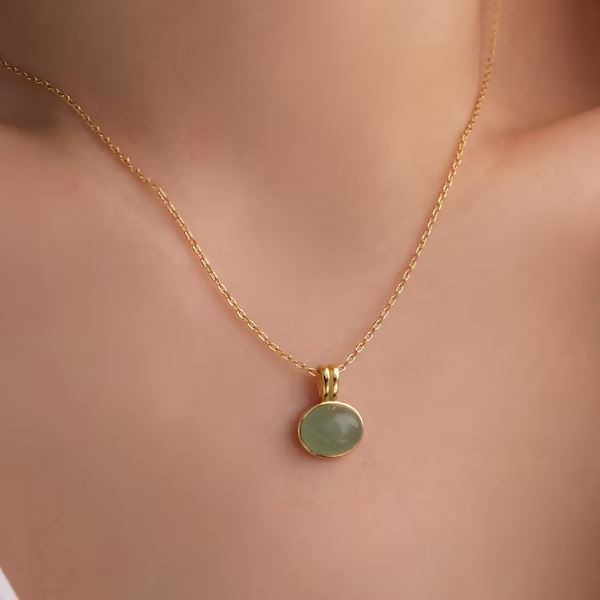
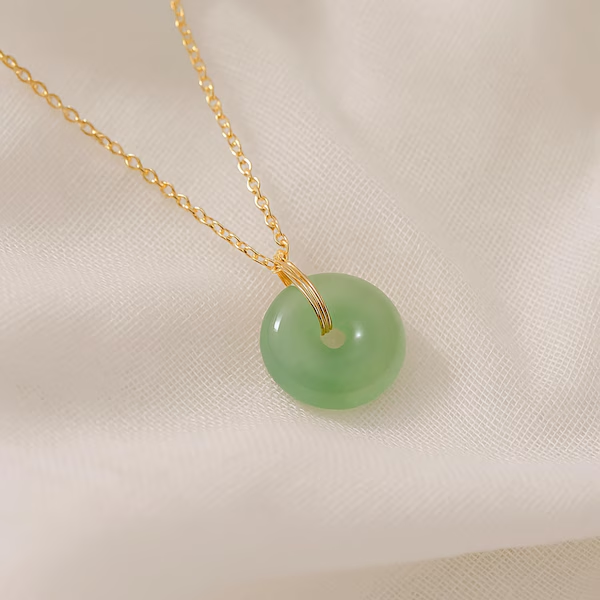
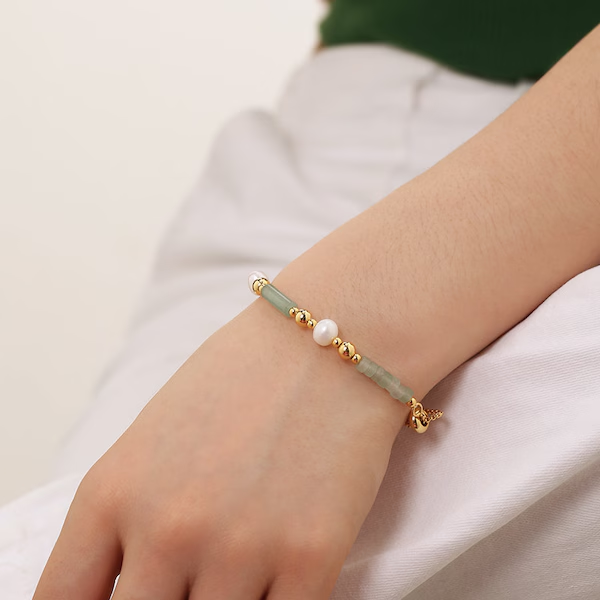
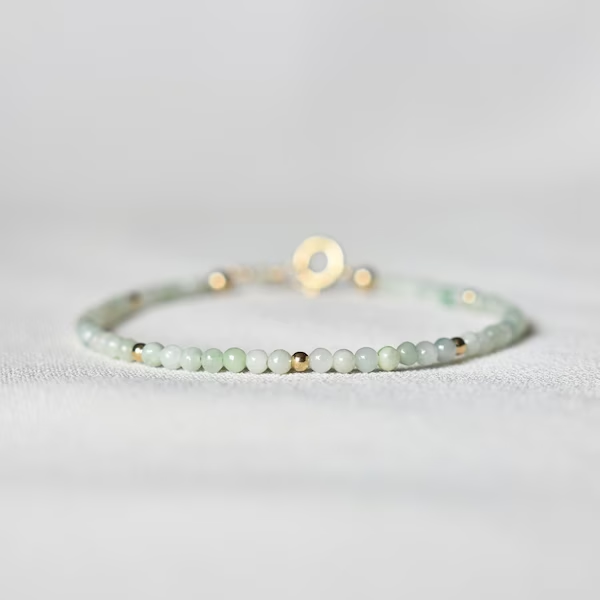
Discover the Timeless Beauty of Real Jade Jewelry – Explore our stunning collection of authentic jade jewelry, crafted from genuine jadeite and nephrite stones. Each piece shines with natural color, elegance, and cultural charm — from classic green bangles to elegant lavender pendants. Add a touch of luxury, luck, and sophistication to your style with Real Jade Jewelry.

How is the Jade Color Value Chart used in jewelry selection?

Jewelers and buyers use the chart to choose stones with balanced color, high saturation, and even tone. This ensures that jade jewelry is visually appealing, authentic, and valuable.

What Are the Advanced Factors for Evaluating Jade Color?

FactorDescriptionImpact on Appearance & Value
Color DepthMulti-layered color giving richness and dimensionIncreases visual appeal and premium value
Light InteractionHow the stone reacts under different lighting conditionsAffects brightness and true color display
Surface FinishQuality of polishing and smoothnessEnhances shine and color clarity
Natural VariationsPresence of unique patterns or slight color differencesAdds authenticity and uniqueness
Transparency BalanceCombination of color strength and light penetrationDetermines overall visual quality
CraftsmanshipSkill in shaping and finishing the stoneHighlights best color areas
Color StabilityAbility to retain original color over timeEnsures long-term value
Visual ConsistencyEven distribution of color across the stoneHigher consistency increases value

Color is one of the most important factors in determining the beauty and value of jade. From soft white tones to deep, vibrant greens, jade offers a wide spectrum of colors that appeal to collectors and jewelry lovers alike. A clear understanding of the Jade color value chart helps buyers evaluate quality and make informed decisions when selecting pieces. This guide explores the Jade gemstone color chart, explains how color affects value, and provides insights into grading systems used in the market. By understanding the Real jade color grading guide, buyers can identify high-quality stones and avoid common mistakes. We will also examine the Jade color value scale, compare different types through a Jadeite and nephrite color comparison, and explore the full Natural jade color spectrum.Color plays a defining role in determining the beauty, rarity, and overall worth of jade. From soft white tones to deep green hues, this gemstone offers remarkable diversity. A clear understanding of the Jade color value chart allows buyers and collectors to evaluate quality more accurately. By studying the Jade gemstone color chart, one can recognize how tone, saturation, and uniformity influence desirability. A proper Real jade color grading guide helps distinguish between high-quality stones and lower-grade material. At the same time, the Jade color value scale provides a structured way to compare different shades and their market significance. To fully understand the differences, it is also essential to look at a Jadeite and nephrite color comparison, as both types display unique color characteristics. Exploring the Natural jade color spectrum further enhances your ability to appreciate the gemstone’s variety. Key Highlights Color is the most important factor in jade valuation Understanding tone, saturation, and uniformity is essential Grading systems help identify premium-quality stones Jadeite and nephrite differ in color range and intensity Natural variations add uniqueness and authenticity Jade Color Value Chart The Jade color value chart is widely used to assess jade based on color quality. It focuses on how vibrant, pure, and evenly distributed the color is across the stone. High-value jade typically displays strong saturation with minimal unevenness. Color Category Description Value Level Imperial Green Deep, vivid green with translucency Extremely High Bright Green Fresh and lively green tone High Lavender Soft purple shade Medium to High White Clean, creamy white Medium Yellow Light warm tones Medium Gray Subtle muted appearance Low to Medium Black Dark and opaque Low to Medium Using a Jade color value chart helps buyers compare stones and understand why certain shades are more valuable than others. Jade Gemstone Color Chart The Jade gemstone color chart provides a broader view of the gemstone’s color diversity. Jade can appear in multiple shades, each with its own appeal and market demand. Green: The most popular and valuable White: Known for its purity and elegance Lavender: Rare and highly sought after Yellow: Warm and unique Black: Bold and distinctive A well-structured Jade gemstone color chart helps identify these variations and understand their relative value. Real Jade Color Grading Guide A reliable Real jade color grading guide evaluates jade based on three main factors: tone, saturation, and uniformity. Tone Tone refers to how light or dark the color appears. Medium tones are often preferred because they balance brightness and depth. Saturation Saturation measures the intensity of the color. Highly saturated stones appear more vibrant and are generally more valuable. Uniformity Uniform color distribution increases the overall quality of the stone. Uneven patches may reduce its value. Following a Real jade color grading guide ensures that buyers can accurately assess the quality of a gemstone before making a purchase.Jadeite and Nephrite Color Comparison A detailed Jadeite and nephrite color comparison reveals important differences between the two types of jade. Jadeite Offers a wider range of colors Includes vibrant greens, lavender, and rare shades Often more translucent Nephrite Typically found in green, white, and gray tones Less color variety but highly durable Usually more opaque This Jadeite and nephrite color comparison helps buyers choose the type that best suits their preferences and budget. Natural Jade Color Spectrum The Natural jade color spectrum is incredibly diverse, ranging from soft, subtle tones to bold, vivid shades. This natural variation is one of the reasons jade is so highly valued. Colors can vary even within a single piece, creating unique patterns and visual depth. The Natural jade color spectrum includes everything from pale white to deep green, as well as less common shades like lavender and yellow. Factors That Influence Color Value Several factors affect how color is perceived and valued: Light conditions can change how color appears Surface polish enhances brightness Internal structure affects translucency Natural inclusions may impact uniformity Understanding these factors helps buyers interpret the Jade color value chart more effectively. Choosing the Right Color Selecting the right color depends on personal preference and intended use. Some buyers prioritize vibrant shades, while others prefer subtle tones. Using the Jade gemstone color chart as a reference can make this process easier. It allows buyers to compare options and choose a color that matches their style. Common Mistakes to Avoid Choosing overly bright colors without checking authenticity Ignoring uniformity and texture Not understanding grading standards Focusing only on price instead of quality By following a Real jade color grading guide, these mistakes can be avoided. Investment Perspective Color plays a major role in determining long-term value. Stones with strong saturation and uniformity tend to appreciate over time. The Jade color value scale is particularly useful for identifying investment-grade pieces. Buyers who understand grading systems are more likely to make profitable decisions. Care and Maintenance Proper care helps maintain the original color and appearance: Clean gently with a soft cloth Avoid exposure to chemicals Store separately to prevent scratches Maintaining the stone ensures that its position on the Jade color value chart remains consistent over time. Conclusion Understanding color is essential for anyone interested in jade. By using tools like the Jade color value chart and the Jade gemstone color chart, buyers can make informed decisions. A proper Real jade color grading guide and knowledge of the Jade color value scale further enhance the ability to evaluate quality. Through a clear Jadeite and nephrite color comparison, it becomes easier to choose between different types of jade. Exploring the full Natural jade color spectrum reveals the true beauty and diversity of this remarkable gemstone. With the right knowledge, selecting high-quality jade becomes a confident and rewarding experience.Color remains one of the most fascinating aspects of this gemstone, influencing not only its visual appeal but also its perceived quality and desirability. While many buyers focus on brightness or intensity, there are deeper elements that contribute to how color is experienced. Understanding these subtle differences can greatly improve your ability to choose high-quality pieces that align with your preferences. This section expands on the earlier discussion by exploring advanced aspects of color perception, lighting effects, craftsmanship, and long-term value. It also provides practical insights for collectors, enthusiasts, and first-time buyers who want to make informed decisions. Understanding Color Depth and Layering One of the most overlooked aspects of color is depth. High-quality stones often display layers of color that create a sense of richness and dimension. Instead of appearing flat, the color seems to have multiple levels, giving the piece a more dynamic and attractive look. This depth is often enhanced by the internal structure of the stone. When light passes through, it interacts with these layers, creating a soft glow that adds to the overall beauty. Stones with shallow or uneven color may lack this effect, appearing dull or lifeless in comparison. Collectors often prioritize pieces with visible depth because they tend to be more visually appealing and valuable. The Role of Lighting in Color Perception Lighting plays a crucial role in how color is perceived. The same piece can look different under natural sunlight, indoor lighting, or artificial sources. Natural Light: Reveals the true color and any natural variations Warm Lighting: Enhances yellow and golden tones Cool Lighting: Accentuates green and blue shades When evaluating a piece, it is important to view it under multiple lighting conditions. This helps ensure that the color remains consistent and attractive in different environments. Surface Finish and Its Impact on Color The finish of a piece can significantly influence how its color appears. A well-polished surface reflects light evenly, enhancing brightness and clarity. On the other hand, a poorly finished surface may scatter light, making the color appear uneven or dull. A high-quality finish also improves the tactile experience, giving the stone a smooth and refined feel. This combination of visual and physical appeal contributes to its overall desirability. Natural Variations and Their Significance Unlike synthetic materials, natural stones often display variations in color. These variations can include subtle shifts in tone, small inclusions, or unique patterns. Rather than being considered flaws, these characteristics are often seen as signs of authenticity. They add individuality to each piece, ensuring that no two items are exactly alike. Collectors often appreciate these natural features because they enhance the uniqueness and story behind each piece. Balancing Color and Transparency While color is important, it must be balanced with transparency to achieve the best overall appearance. A piece with strong color but low transparency may appear heavy or opaque, while one with high transparency but weak color may lack visual impact. The ideal balance depends on personal preference, but many buyers look for a combination that allows light to pass through while maintaining a rich and consistent tone. Craftsmanship and Artistic Influence The way a piece is shaped and finished can greatly affect how its color is perceived. Skilled artisans understand how to work with the natural characteristics of the material, enhancing its strengths and minimizing its weaknesses. For example, certain cuts may highlight areas of strong color, while others may reduce the visibility of less desirable features. The orientation of the stone during carving or polishing also plays a role in how light interacts with its surface. This level of craftsmanship transforms raw material into a finished piece that showcases both natural beauty and human creativity. Emotional and Aesthetic Appeal Color has a strong emotional impact, influencing how a piece is perceived and appreciated. Different shades can evoke different feelings, from calm and serenity to energy and vitality. Buyers often choose pieces based on how the color resonates with them personally. This emotional connection adds value beyond the physical characteristics, making the piece more meaningful. Trends in Color Preferences Preferences for color can change over time, influenced by fashion trends, cultural factors, and market demand. While some shades remain consistently popular, others may gain or lose popularity depending on current trends. For example, certain vibrant tones may become highly sought after during specific periods, while softer, more subtle shades may appeal to those who prefer understated elegance. Understanding these trends can help buyers make choices that align with both personal taste and market demand. Comparing Subtle Differences At first glance, many pieces may appear similar, but closer inspection often reveals subtle differences in color and quality. These differences can include: Slight variations in tone Differences in brightness or saturation Uneven distribution of color Presence of inclusions or patterns Learning to recognize these details takes time and practice, but it is an essential skill for anyone interested in selecting high-quality pieces. Long-Term Color Stability Another important consideration is how color changes over time. High-quality stones tend to maintain their original appearance, while lower-quality or treated pieces may fade or discolor. Proper care can help preserve color stability, but the inherent quality of the material also plays a significant role. Choosing well-made pieces ensures that their beauty remains intact for years. Practical Buying Tips When selecting a piece, consider the following guidelines: View the item under different lighting conditions Examine the surface for smoothness and consistency Look for natural variations that indicate authenticity Compare multiple options before making a decision Trust your personal preference while considering quality factors These steps can help you make a more informed and confident purchase. The Importance of Personal Preference While technical factors are important, personal preference should not be overlooked. The best piece is one that appeals to you both visually and emotionally. Some buyers prefer bold and vibrant colors, while others are drawn to softer, more subtle tones. There is no single “right” choice, as each piece offers its own unique appeal. Expanding Knowledge and Expertise Developing expertise takes time and experience. By studying different pieces, comparing qualities, and learning from reputable sources, you can gradually build your understanding. Attending exhibitions, visiting stores, and engaging with experts can also provide valuable insights. Over time, this knowledge will help you make better decisions and appreciate the finer details of each piece. Future Outlook As interest in natural materials continues to grow, the appreciation for this gemstone is likely to increase. Advances in technology and craftsmanship will further enhance its appeal, while traditional techniques will preserve its cultural significance. This combination of innovation and tradition ensures that it will remain a popular choice for collectors and enthusiasts. Conclusion Color is a complex and multifaceted aspect that goes beyond simple appearance. By understanding factors such as depth, lighting, finish, and natural variation, buyers can gain a deeper appreciation for what makes each piece unique. With careful observation and informed decision-making, it is possible to select items that offer both beauty and lasting value. Whether you are a beginner or an experienced collector, expanding your knowledge will enhance your ability to choose pieces that truly stand out.

Let's Chat!