Jade has fascinated civilizations for thousands of years. Revered for its beauty, durability, and deep cultural symbolism, jade is far more than just a gemstone—it is a symbol of prosperity, protection, and prestige. When buyers explore jade today, one of the most common and important questions is about jade cost. At Real Jade, understanding jade pricing is not simply about numbers; it is about transparency, authenticity, and value.

Understanding Jade: More Than One Stone

Before discussing jade cost, it is essential to understand what jade actually is. Many buyers are surprised to learn that jade is not a single mineral.

Jadeite vs Nephrite

There are two genuine types of jade:

Jadeite
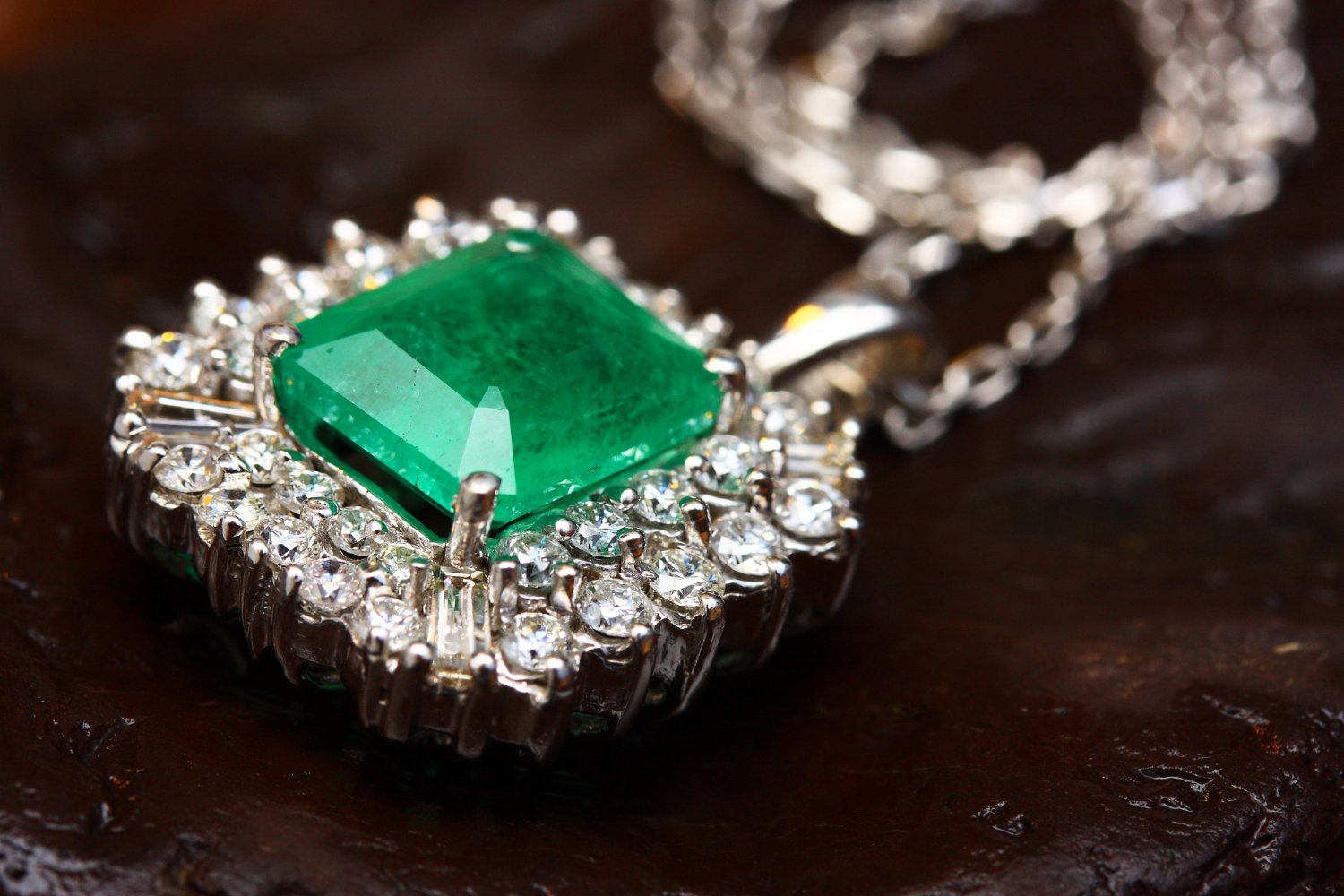
Jadeite is the rarer and more valuable form of jade. It has a tighter crystal structure, higher brilliance, and often appears in vibrant colors such as emerald green, lavender, red, yellow, and white. Imperial green jadeite is the most expensive jade in the world.

Nephrite
Nephrite jade is more common and typically appears in creamy white, light green, dark green, and brown tones. While generally more affordable than jadeite, high-quality nephrite still holds significant value and durability.

At Real Jade, both jadeite and nephrite are carefully sourced, authenticated, and graded, ensuring customers understand exactly what they are purchasing.


What Determines Jade Cost at Real Jade

Jade cost is influenced by multiple factors working together. Unlike diamonds, jade does not follow a single standardized price chart. Instead, each piece is evaluated holistically.

Type of Jade

The first and most important pricing factor is the jade type.

Jadeite commands a higher price due to rarity and demand, especially fine-grade jadeite sourced from Myanmar. Nephrite, while still valuable, is generally priced lower due to wider availability.

Color Quality

Color is one of the strongest drivers of jade cost.

Highly saturated, evenly distributed color significantly increases value. In jadeite, vivid emerald green, rich lavender, and intense red are premium. In nephrite, creamy white and deep spinach green are most desirable.

At Real Jade, color grading is done under controlled lighting to ensure accurate assessment.


Transparency and Clarity in Jade Pricing

Unlike many gemstones, jade is rarely transparent. However, clarity still plays a crucial role.

Texture and Translucency

Fine jade has a smooth, compact texture and good translucency. Light passing through jade enhances its visual depth and beauty. Stones with coarse grain or cloudy appearance are valued lower.

Real Jade prioritizes stones with refined texture, ensuring customers receive jade that not only looks beautiful but also holds long-term value.


Carat Weight and Size Impact on Jade Cost

Unlike diamonds, jade cost does not increase linearly with size.

Why Bigger Is Not Always Better

A large jade stone with poor color or texture may cost less than a smaller stone with exceptional quality. However, when size and quality combine, prices increase exponentially.

At Real Jade, pricing reflects a balance of size, quality, and craftsmanship, rather than weight alone.


Jade Cost per Gram at Real Jade

Many buyers search for jade cost per gram, but jade pricing is more complex than simple weight calculations.

Average Price Ranges

While prices fluctuate based on quality and market conditions, jade at Real Jade typically falls into the following ranges:

Entry-level jade pieces are accessible for everyday jewelry and spiritual use.
Mid-grade jade offers excellent color and durability for collectors.
High-grade jadeite commands premium pricing and is often considered an investment gemstone.

Each piece at Real Jade is priced individually, based on its unique characteristics.


Natural vs Treated Jade and Price Differences

One critical factor affecting jade cost is whether the stone is natural or treated.

Jade Treatment Categories

Natural jade (Type A) is untreated and retains its original structure. This is the most valuable category.
Treated jade (Type B or C) may be bleached, dyed, or polymer-filled, significantly reducing its value.

Real Jade deals exclusively in authentic, clearly disclosed jade, ensuring buyers never overpay for treated stones.


Craftsmanship and Its Role in Jade Cost

Jade is one of the toughest gemstones to carve, which directly affects cost.

Hand-Carved vs Machine-Cut Jade

Hand-carved jade requires exceptional skill, time, and experience. Intricate designs, smooth polish, and balanced proportions increase value.

Real Jade collaborates with skilled artisans who respect traditional carving techniques, ensuring each piece reflects craftsmanship worthy of the stone.


Cultural and Symbolic Value in Jade Pricing

Jade carries immense cultural importance, especially in Asian, Middle Eastern, and global luxury markets.

Symbolism Adds Value

Jade symbolizes prosperity, longevity, harmony, and protection. Certain motifs—such as dragons, bangles, Buddha pendants, and bangles—are especially sought after.

At Real Jade, cultural relevance and symbolic meaning are considered when evaluating jade cost, particularly for heirloom pieces.


Market Demand and Jade Cost Fluctuations

Jade pricing is influenced by global demand and availability.

Global Market Trends

Demand for high-quality jadeite continues to rise, particularly in luxury jewelry markets. Limited mining output, especially from Myanmar, further drives prices upward.

Real Jade closely monitors market trends to ensure fair and competitive pricing without compromising quality.


Jade Jewelry vs Loose Jade Cost

Pricing also depends on whether jade is sold as jewelry or a loose stone.

Finished Jewelry Pricing

Jade jewelry includes additional costs such as design, metal settings, labor, and finishing. Gold and platinum settings further increase overall cost.

Real Jade clearly separates gemstone value from craftsmanship value, offering transparency in pricing.


Jade Cost as an Investment

High-quality jade is increasingly viewed as a long-term investment.

Why Jade Holds Value

Jade does not depreciate like mass-produced gemstones. Fine jadeite, especially untreated stones, often appreciates over time.

Real Jade focuses on sourcing investment-grade jade, making it suitable for collectors and serious buyers.


How Real Jade Ensures Fair Pricing

Trust is essential when purchasing jade.

Authentication and Certification

Every jade piece at Real Jade undergoes professional evaluation. Authenticity, treatment status, and quality are verified before pricing.

Ethical Sourcing

Real Jade emphasizes responsible sourcing and transparent supply chains, adding ethical value to every purchase.


Comparing Jade Cost at Real Jade vs Market Prices

While jade prices vary widely across markets, Real Jade positions itself as a balance between luxury and fairness.

Buyers benefit from competitive pricing, guaranteed authenticity, and expert guidance, ensuring value beyond cost alone.


Common Myths About Jade Cost

Many misconceptions exist around jade pricing.

Some believe all green stones are jade, which is incorrect.
Others assume heavier jade is always more valuable, which is also false.
Many buyers underestimate the impact of treatment on value.

Real Jade educates customers to avoid costly mistakes.


How to Choose the Right Jade for Your Budget

Understanding jade cost helps buyers make confident decisions.

For daily wear, mid-grade jade offers beauty and durability.
For gifting, symbolic carvings add emotional value.
For investment, untreated jadeite with strong color and texture is ideal.

Real Jade provides expert consultation to match jade with purpose and budget.


Jade Cost at Real Jade: Long-Term Value Over Price

When evaluating jade cost, buyers should consider long-term satisfaction rather than initial price.

A genuine, well-sourced jade piece offers durability, cultural significance, and timeless beauty. Real Jade prioritizes quality and authenticity, ensuring each purchase becomes a lasting asset.


Final Thoughts on Jade Cost at Real Jade

Jade cost is not defined by a single number—it is shaped by rarity, beauty, craftsmanship, and trust. At Real Jade, pricing reflects a deep respect for the gemstone and the customer.

Whether you are a first-time buyer, collector, or investor, understanding jade cost empowers you to choose wisely. Real Jade stands as a reliable destination for authentic jade, fair pricing, and lasting value.
Real Jade Explained: Understanding Nephrite Jade and the True Value of Jade Jewellery Nephrite Jade in Modern Luxury Jewellery In today’s luxury jewelry market, nephrite jade is experiencing renewed appreciation. While jadeite often dominates headlines due to high auction prices, nephrite jade continues to attract buyers who value understated elegance, authenticity, and cultural depth. Modern designers increasingly favor nephrite jade for its soft luster, smooth finish, and versatility across minimalist and statement jewelry designs. Nephrite jade works exceptionally well in both traditional gold settings and contemporary designs using white gold, platinum, or silver. Its natural color palette complements modern fashion trends that prioritize subtle sophistication over excessive brilliance. The Emotional and Spiritual Value of Real Jade Beyond physical beauty, real jade is deeply associated with emotional and spiritual well-being. Many cultures believe jade carries calming energy that promotes balance, protection, and inner harmony. Nephrite jade, in particular, has long been associated with emotional stability and resilience. Jade jewellery is often worn not just as adornment, but as a personal talisman. Bangles, pendants, and beads are chosen for their symbolic meaning, making jade jewellery emotionally valuable in ways few gemstones can match. Real Jade and Heirloom Jewellery Traditions One of the defining characteristics of real jade is its ability to transcend generations. Nephrite jade jewellery is frequently passed down as family heirlooms due to its durability and timeless appeal. Unlike fragile gemstones that may chip or crack over time, jade’s toughness allows it to endure daily wear for decades. Heirloom jade jewellery often gains sentimental and cultural value with age, enhancing its importance beyond monetary worth. This generational continuity is a key reason real jade remains relevant across centuries. Jade Jewellery Craftsmanship Across Cultures Jade carving traditions vary across regions, but all share a deep respect for the stone. Skilled artisans shape jade slowly, allowing the stone’s natural character to guide the final design. Nephrite jade is particularly favored by carvers due to its strength, which allows for detailed engraving without fracturing. Each jade jewellery piece reflects not only artistic skill but also cultural philosophy. Smooth curves, balanced proportions, and symbolic motifs emphasize harmony and natural beauty rather than excessive ornamentation. Sustainability and Ethical Value of Real Jade As consumers become more conscious of ethical sourcing, real jade’s natural durability and long lifespan align well with sustainable values. Jade jewellery is not disposable fashion; it is designed to last for generations. Nephrite jade, when responsibly sourced and crafted, represents a sustainable luxury choice. Its longevity reduces the need for frequent replacement, making jade jewellery an environmentally considerate option compared to mass-produced accessories. Real Jade in Contemporary Fashion Modern fashion increasingly embraces gemstones that feel authentic and meaningful. Nephrite jade fits seamlessly into this shift. Designers now incorporate jade into everyday jewellery such as minimalist pendants, simple rings, and refined bracelets. This evolution has broadened jade’s appeal beyond traditional markets, introducing real jade to younger buyers who appreciate natural materials and cultural storytelling. Collecting Nephrite Jade Jewellery For collectors, nephrite jade offers an appealing balance between accessibility and long-term value. While top-grade jadeite may be priced beyond many buyers, fine nephrite jade remains attainable while still holding historical and cultural importance. Collectors often focus on color purity, texture refinement, carving quality, and authenticity. Pieces with traditional symbolism or exceptional craftsmanship are especially prized. Real Jade Versus Fashion Jewellery Trends Unlike trend-driven fashion jewellery, real jade does not lose relevance. Nephrite jade jewellery resists seasonal cycles and remains wearable regardless of changing styles. This timeless nature makes jade jewellery a practical choice for buyers who seek lasting elegance rather than temporary fashion statements. Jade Cost Jade Cost Jade Cost Jade Cost Jade Cost Jade Cost vv Jade Cost Jade Cost Jade Cost Jade Cost Jade Cost Jade Cost Jade Cost Jade Cost Jade Cost Jade Cost Jade Cost Jade Cost Jade Cost Jade Cost Jade Cost Jade Cost Jade Cost Jade Cost Jade Cost Jade Cost Jade Cost Jade Cost Jade Cost Jade Cost Jade Cost Jade Cost Jade Cost Jade Cost Jade Cost Jade Cost Jade Cost Jade Cost Jade Cost Jade Cost Jade Jewellery for Daily Wear One of the most practical advantages of nephrite jade is its suitability for daily wear. Its exceptional toughness allows it to withstand minor impacts, making it ideal for rings, bangles, and bracelets worn regularly. Unlike gemstones that require delicate handling, jade jewellery offers peace of mind without sacrificing beauty. The Future of Real Jade and Nephrite Jade Jewellery As awareness grows around authenticity and quality, demand for real jade continues to strengthen. Nephrite jade, with its historical roots and modern adaptability, is positioned to remain a cornerstone of jade jewellery markets worldwide. Education plays a key role in this future. Buyers who understand real jade are more likely to value authenticity over imitation, ensuring the continued relevance of genuine jade. Final Reflection on Real Jade and Jade Jewellery Real jade represents a rare combination of beauty, strength, cultural meaning, and emotional value. Nephrite jade, often understated yet deeply respected, forms the foundation of jade jewellery traditions that span centuries. Whether chosen for spiritual significance, personal expression, or long-term value, jade jewellery crafted from real nephrite jade offers something few gemstones can provide—a lasting connection between nature, culture, and human craftsmanship. Jade is one of the most respected and historically significant gemstones in the world. Admired for its strength, elegance, and symbolism, real jade has been treasured across cultures for thousands of years. From ancient dynasties to modern luxury markets, jade continues to hold a special place in jewelry, spiritual practices, and gemstone investments. However, with the rise of imitation stones and treated materials, understanding real jade, especially nephrite jade, has become more important than ever. This comprehensive guide explains what real jade is, how nephrite jade differs from other jade varieties, and why jade jewellery remains timeless, valuable, and culturally meaningful. What Is Real Jade? Real jade refers to natural jade gemstones that belong to one of two mineral families: jadeite and nephrite. These are the only stones scientifically recognized as genuine jade. Any other material sold as jade—such as serpentine, aventurine, glass, or dyed stones—does not qualify as real jade. Real jade is known for its exceptional toughness rather than hardness alone. This toughness makes jade highly resistant to breaking, which is why it has historically been used for tools, carvings, ornaments, and heirloom jewelry. Authentic jade is valued not just for appearance, but for its durability, smooth texture, and deep cultural symbolism. The Two Types of Real Jade Although jadeite often receives more attention in luxury markets, nephrite jade is equally important and historically more significant. Jadeite Jadeite is rarer and generally more expensive. It is best known for its vivid emerald green color, but it also appears in lavender, red, yellow, white, and black. High-grade jadeite is often translucent with intense, even color. Nephrite Jade Nephrite jade is the more traditional and widely used form of jade. It has a fibrous crystal structure that makes it exceptionally tough. While nephrite is usually more affordable than jadeite, premium-quality nephrite can still be highly valuable. This article focuses strongly on nephrite jade, as it plays a major role in jade jewellery and cultural heritage. Nephrite Jade Explained in Detail Nephrite jade is a calcium magnesium silicate mineral that forms through geological processes over millions of years. Its tightly interwoven crystal fibers give it remarkable strength, making it one of the toughest gemstones known. Color Range of Nephrite Jade Nephrite jade appears in a variety of natural colors, including creamy white, light green, dark green, gray, brown, and black. The most prized nephrite varieties are creamy white (often called “mutton fat jade”) and rich spinach green. Unlike artificially colored stones, natural nephrite jade has depth and softness in its color, rather than sharp or overly bright tones. Texture and Translucency of Nephrite Jade High-quality nephrite jade has a smooth, compact texture that feels silky to the touch. When held under light, fine nephrite shows subtle translucency rather than complete opacity. Texture plays a major role in determining whether jade is real and how valuable it is. Coarse or grainy stones are less desirable, while finely textured jade commands higher appreciation. Cultural Importance of Nephrite Jade Nephrite jade has been revered for thousands of years, especially in ancient Chinese, Central Asian, and Middle Eastern cultures. It symbolized moral integrity, wisdom, protection, and harmony. Historically, nephrite jade was used for ceremonial objects, seals, ornaments, and royal jewelry. Its cultural value continues today, especially in traditional jade jewellery designs. How to Identify Real Nephrite Jade Identifying real jade requires careful observation and expert knowledge. Real nephrite jade feels cool to the touch and retains temperature longer than imitation stones. It has a dense, smooth surface rather than a glassy shine. Natural jade often contains subtle internal variations rather than uniform color. Professional testing is the most reliable way to confirm authenticity, especially for high-value jade jewellery. Jade Jewellery: Timeless Beauty and Meaning Jade jewellery is one of the most enduring forms of gemstone adornment. Unlike trend-driven stones, jade jewellery remains relevant across generations due to its durability, symbolism, and natural elegance. Nephrite jade is particularly well-suited for jewellery because of its toughness, making it ideal for daily wear. Types of Jade Jewellery Jade jewellery comes in many classic and contemporary forms. Jade Bangles Jade bangles are among the most iconic jade jewellery pieces. They symbolize protection, good fortune, and continuity. Nephrite jade bangles are valued for their strength and smooth finish. Jade Pendants Jade pendants often feature symbolic carvings such as Buddha figures, animals, flowers, and abstract forms. These designs carry spiritual and cultural meaning. Jade Rings Nephrite jade rings are admired for their understated elegance. Their durability makes them suitable for long-term wear. Jade Beads and Necklaces Beaded jade necklaces showcase the natural color and texture of nephrite jade. Uniformity in bead size and color increases value. Craftsmanship in Jade Jewellery Jade is one of the most challenging gemstones to carve. Skilled artisans spend years mastering jade carving techniques. Hand-carved jade jewellery is significantly more valuable than machine-made pieces. Precision, symmetry, polish, and respect for the stone’s natural structure all contribute to the quality of jade jewellery. Natural vs Treated Jade in Jewellery One of the most important factors in jade jewellery value is whether the jade is natural or treated. Natural jade retains its original structure and color. Treated jade may be bleached, dyed, or polymer-filled, reducing durability and value. Authentic jade jewellery should always disclose treatment status to buyers. Value Factors of Nephrite Jade Jewellery Several factors influence the value of jade jewellery. Color consistency and depth play a major role. Texture and translucency affect visual appeal. Craftsmanship determines artistic and collectible value. Cultural symbolism adds emotional and traditional importance. Nephrite jade jewellery is often valued for balance rather than extreme brilliance. Jade Jewellery as a Long-Term Asset High-quality jade jewellery holds value exceptionally well. Unlike mass-produced gemstones, jade does not lose appeal over time. Fine nephrite jade jewellery can be passed down through generations, making it both a personal treasure and a financial asset. Myths About Real Jade and Jade Jewellery There are many misconceptions about jade. Not all green stones are jade. Heavier stones are not always more valuable. Bright color does not always indicate authenticity. Understanding real jade helps buyers avoid imitation materials and overpricing. Caring for Nephrite Jade Jewellery Proper care preserves jade jewellery for decades. Avoid harsh chemicals and ultrasonic cleaners. Clean jade gently with lukewarm water and a soft cloth. Store jade separately to avoid scratches. Nephrite jade’s toughness makes it resilient, but care ensures lasting beauty. Why Nephrite Jade Remains Popular Today Modern buyers appreciate nephrite jade for its subtle elegance and spiritual depth. Its natural appearance aligns well with contemporary minimalist jewelry designs. Nephrite jade bridges tradition and modern style effortlessly, making it suitable for both classic and modern jewellery collections. Real Jade vs Imitation Jade in the Market Imitation jade is widespread due to jade’s popularity. These substitutes lack the durability, energy, and long-term value of real jade. Real jade stands apart through its natural formation, cultural history, and unmatched toughness. Choosing Real Jade Jewellery with Confidence When selecting jade jewellery, buyers should focus on authenticity, quality, and purpose. For everyday wear, nephrite jade offers durability. For gifting, symbolic designs enhance meaning. For collecting, fine texture and natural color are essential. Knowledge empowers confident purchasing decisions. The Enduring Legacy of Real Jade Real jade represents harmony between nature, culture, and craftsmanship. Nephrite jade, in particular, carries centuries of history and meaning, making jade jewellery more than a fashion accessory. It is a reflection of tradition, strength, and timeless beauty. Final Thoughts on Real Jade, Nephrite Jade, and Jade Jewellery Understanding real jade allows buyers to appreciate its true value beyond surface beauty. Nephrite jade stands as a symbol of resilience, elegance, and cultural heritage, while jade jewellery continues to evolve without losing its essence. Whether worn for beauty, spirituality, or legacy, real jade remains one of the most meaningful gemstones in the world.

What determines jade cost at Real Jade?

Jade cost at Real Jade is determined by the type of jade (jadeite or nephrite), color quality, texture, translucency, size, craftsmanship, and whether the jade is natural or treated, ensuring fair pricing and authentic value.