
Product categories
Understanding the True Value of Jade Stone
Jade stone has fascinated civilizations for thousands of years. More than just a gemstone, jade represents prosperity, protection, harmony, and timeless beauty. From ancient royalty to modern collectors, jade continues to command admiration and high value across global markets. However, jade pricing can be confusing due to variations in type, quality, treatment, origin, and craftsmanship.
What Is Jade Stone?
Jade is a collective term used for two distinct minerals:
Jadeite
Nephrite
Although they share a similar appearance, their rarity, value, and pricing differ significantly. Understanding this distinction is essential when evaluating jade stone prices.
Types of Jade Stone
1. Jadeite Jade
Jadeite is the rarer and more valuable form of jade. It is known for its vibrant colors, especially intense green shades. High-quality jadeite is highly translucent and fine-grained, making it the preferred choice for premium jewelry.
Key characteristics of jadeite:
Brighter color intensity
Higher translucency
Greater rarity
Higher price per carat
Preferred for luxury jewelry and investment pieces
2. Nephrite Jade
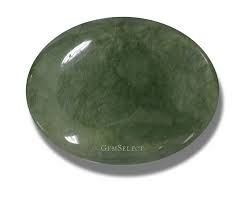
Nephrite jade is more commonly found and is valued for its toughness and durability. It is widely used in carvings, sculptures, and traditional jewelry.
Key characteristics of nephrite:
Softer color tones
More opaque appearance
Extremely durable
More affordable
Popular for artistic and cultural items
Why Jade Stone Prices Vary So Much
Jade pricing is not fixed. Two stones of the same size can differ dramatically in value. Several factors influence jade stone prices.
Key Factors That Determine Jade Stone Value
1. Color Quality
Color is the most important pricing factor.
Imperial Green: Most valuable and rare
Apple Green: Highly desirable
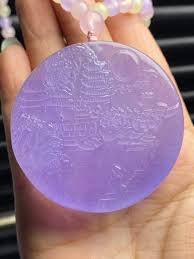
Lavender Jade: Rare and fashionable
White Jade: Elegant and refined
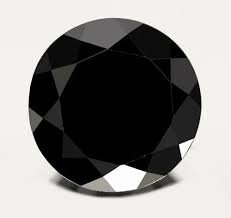
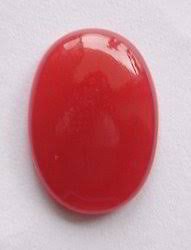
Yellow, Red, Black Jade: Niche market appeal
Uniform color distribution significantly increases value.
2. Transparency and Translucency
High-quality jade allows light to pass through, creating a glowing effect. Translucent jade stones are far more valuable than opaque ones.
3. Texture and Grain
Fine-grained jade with a smooth, compact texture commands premium prices. Coarse or fibrous texture reduces value.
4. Jade Type (Jadeite vs Nephrite)
Jadeite is consistently priced higher than nephrite due to rarity and demand.
5. Treatment Status
Jade stones are classified based on treatment:
Natural untreated jade: Highest value
Chemically treated jade: Lower value
Dyed jade: Least valuable
Untreated jade is preferred by collectors and investors.
6. Size and Weight
Larger jade stones with consistent quality are extremely rare. As size increases, price per carat increases exponentially for high-grade jade.
7. Origin
Certain regions are globally recognized for producing premium jade. Stones from these locations often command higher prices due to reputation and quality consistency.
8. Craftsmanship and Design
Hand-carved jewelry, perfectly shaped bangles, and expertly polished cabochons add significant value beyond raw stone pricing.
Jade Stone Price Ranges (General Market Overview)
Nephrite Jade Price Range
Entry-level: Affordable decorative items
Mid-range: Jewelry-grade nephrite
High-grade: Premium carving material
Nephrite jade is accessible for everyday wear and artistic use.
Jadeite Jade Price Range
Commercial-grade jadeite: Moderate pricing
Fine jadeite: High jewelry pricing
Imperial jadeite: Extremely rare, luxury investment category
Imperial-grade jadeite can reach extraordinary values, especially for flawless bangles and large stones.
Why Imperial Jade Is So Expensive
Imperial jade possesses:
Intense emerald green color
High translucency
Fine texture
Natural untreated structure
Limited availability
Demand from collectors, cultural significance, and rarity push prices upward.
Jade Stone as an Investment
High-quality jadeite is considered a long-term store of value. While not a quick-return asset, certified untreated jade has historically retained demand.
Investment benefits:
Cultural and emotional value
Limited natural supply
Increasing global demand
Portable wealth
Availability of Jade at Real Jade
Real Jade as a Trusted Supplier
Real Jade specializes in authentic jade stone and jade jewelry, focusing on:
Natural jadeite stones
Traditional jade bangles
Rings and pendants
Premium craftsmanship
Transparent product descriptions
Their collections cater to collectors, jewelry buyers, and cultural gift purchasers.
What Makes Real Jade Stand Out
Focus on natural jade
Curated premium selections
Clear quality grading
Emphasis on authenticity
Suitable for collectors and exporters
Jade Products Available at Real Jade
Jade bangles
Jade rings
Jade pendants
Loose jade stones
Custom jade jewelry
Availability varies based on stone grade and size, especially for premium jadeite.
How to Buy Jade Stone Confidently
Buyer Checklist
Confirm jade type
Ask about treatment status
Examine color under natural light
Check translucency
Inspect surface for cracks
Verify return policy
Compare prices across similar grades
Common Mistakes Buyers Should Avoid
Buying jade based only on color
Ignoring treatment disclosures
Choosing uncertified high-value stones
Overpaying for dyed or enhanced jade
Trusting unclear seller descriptions
Jade Care and Maintenance
Avoid chemicals and perfumes
Clean with soft cloth and mild water
Store separately to avoid scratches
Handle bangles carefully to prevent impact damage
Proper care preserves jade’s beauty and value for generations.
Final Thoughts on Jade Stone Pricing
Jade stone pricing reflects rarity, beauty, and craftsmanship. Whether you seek an affordable nephrite carving or a premium jadeite bangle, understanding jade types and value factors ensures a wise purchase.
Real Jade provides access to authentic jade pieces suitable for both personal enjoyment and long-term value appreciation.
If you are looking for authentic jade stone jewelry or premium jadeite pieces, explore the curated collections available at Real Jade.
Request full quality details, verify stone type, and choose jade that aligns with your purpose—be it cultural gifting, jewelry retail, or personal collection.
Invest in real jade. Own timeless value.
What is the price of real jade stone at Real Jade?
The price of real jade stone at Real Jade depends on several factors, including the type of jade, color quality, transparency, size, and whether the stone is natural and untreated. Real jade, especially natural jadeite, is priced higher due to its rarity and durability. At Real Jade, pricing varies according to stone quality and craftsmanship, ensuring buyers receive authentic jade stones with genuine value rather than artificially enhanced or imitation products.