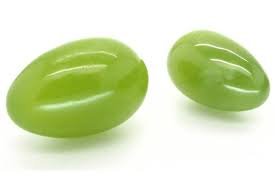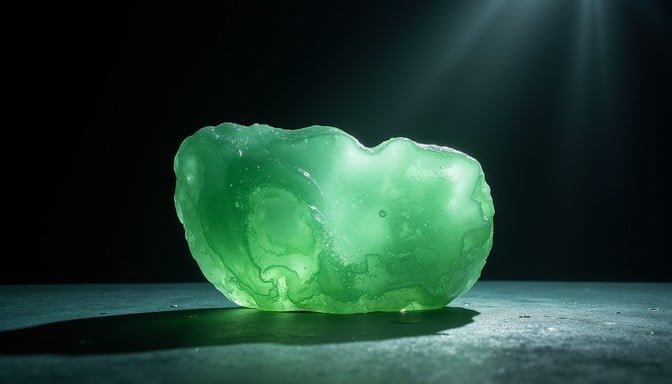
Light green jade is one of the most admired gemstones in the world, valued for its soft elegance, cultural depth, and enduring strength. In the global gemstone market, the supply of genuine jade is a matter of authenticity, ethical sourcing, careful selection, and deep knowledge of the stone’s natural characteristics. Light Green Jade supplying at Real Jade represents a commitment to preserving the true essence of jade while meeting the expectations of collectors, jewelers, and jade enthusiasts who seek natural quality rather than artificial enhancement.

Understanding Light Green Jade in the Supply Chain

Light green jade belongs to the family of true jade gemstones, which includes jadeite and nephrite. Both types are considered authentic jade, though they differ in composition, texture, rarity, and market value.

Jadeite is rarer and generally more valuable due to its fine grain and higher translucency. Nephrite, while more commonly available, is known for its exceptional toughness and smooth appearance. Light green jade appears naturally in both forms and is highly sought after for its calm color and versatile appeal.

Supplying real jade requires expertise at every stage—from source selection to quality evaluation—because jade cannot be judged by appearance alone.


Sources of Light Green Jade

Light green jade is sourced from specific geological regions where conditions allow jade to form naturally over millions of years. These sources play a critical role in supply quality.

Major jade-producing regions include:

  • Myanmar, known for high-quality jadeite

  • China, with a long history of nephrite jade

  • Guatemala, recognized for ancient jade deposits

  • Canada and Russia, supplying nephrite jade

  • New Zealand, where nephrite jade holds cultural importance

The origin of jade influences its texture, color consistency, and structural integrity, all of which are carefully assessed during the supply process.


The Importance of Ethical and Responsible Sourcing

Supplying light green jade is not only about quality but also responsibility. Ethical sourcing ensures that jade is obtained through lawful and environmentally conscious practices. Responsible supply helps preserve natural resources, respects local communities, and maintains long-term sustainability in the jade industry.

Ethical jade supply emphasizes:

  • Transparent sourcing methods

  • Respect for mining regulations

  • Fair trade practices

  • Avoidance of illegal or harmful extraction

These principles protect both the gemstone’s value and its cultural significance.


Quality Evaluation in Light Green Jade Supplying

One of the most critical aspects of Light Green Jade supplying at Real Jade is the strict evaluation of quality. Jade is assessed using multiple factors rather than a single standard.

Color Quality

Light green jade should display a soft, natural green tone. Even color distribution without harsh patches or artificial brightness is a key indicator of authenticity.

Texture and Grain

Fine, compact grain is highly valued. A smooth, dense structure indicates well-formed jade, while coarse grain reduces desirability.

Transparency

Higher translucency, often referred to as “water,” increases value. Light green jade with gentle translucence has a refined and premium appearance.

Structural Integrity

Natural jade should be free from major cracks or fractures. Minor natural inclusions are acceptable and often indicate authenticity.


Natural vs Treated Jade in Supply

Not all jade available in the market is natural. A major challenge in jade supplying is distinguishing untreated jade from treated or imitation stones.

Untreated Jade

Untreated jade maintains its natural color and structure. It is durable, stable, and suitable for long-term use and collection.

Treated Jade

Some jade is chemically treated, polymer-filled, or dyed to enhance appearance. While visually attractive, treated jade has lower long-term value and may deteriorate over time.

Supplying authentic light green jade requires strict avoidance of heavily treated materials and clear identification of the jade’s condition.


Identification Standards in Jade Supplying

To ensure authenticity, jade suppliers rely on established identification practices:

  • Weight and density testing

  • Surface texture evaluation

  • Light transmission observation

  • Natural color pattern analysis

  • Structural examination

Real jade feels cool to the touch, appears heavier than expected, and displays a soft internal glow rather than a glassy shine.


Processing and Preparation of Light Green Jade

Once sourced and verified, light green jade undergoes careful processing. Jade is extremely tough, so cutting and shaping require skilled craftsmanship.

Processing includes:

  • Precision cutting to preserve natural beauty

  • Minimal polishing to maintain waxy luster

  • Avoidance of excessive heat or chemicals

  • Respect for natural grain and structure

The goal is to enhance jade’s appearance without altering its natural identity.


Forms Supplied in Light Green Jade

Light green jade is supplied in various forms depending on market needs:

Raw Jade

Uncut or minimally processed jade preferred by collectors and master carvers.

Carved Pieces

Traditional and modern carvings, often symbolic in nature.

Jewelry-Ready Stones

Beads, cabochons, bangles, and pendants prepared for jewelry use.

Decorative and Spiritual Items

Statues, amulets, and Feng Shui objects crafted from light green jade.

Each form requires different evaluation criteria during supply.


Market Demand for Light Green Jade

Light green jade has consistent global demand due to its versatility and symbolism. Unlike darker jade, its gentle color appeals to a wider audience, including first-time buyers and long-term collectors.

Demand is driven by:

  • Cultural and spiritual significance

  • Daily wear suitability

  • Aesthetic softness

  • Emotional symbolism

  • Long-term value retention

This steady demand makes light green jade an important segment in the jade supply market.


Value Factors in Light Green Jade Supplying

Several factors influence pricing and supply value:

  1. Natural color purity

  2. Even color distribution

  3. Fine texture

  4. Translucency

  5. Size and weight

  6. Jadeite vs nephrite classification

  7. Treatment status

  8. Craftsmanship quality

Supplying high-quality light green jade requires balancing availability with these value factors.


Storage and Handling in Jade Supply

Proper storage and handling are essential to preserve jade quality during supply.

Best practices include:

  • Individual wrapping to prevent scratches

  • Stable temperature conditions

  • Protection from harsh chemicals

  • Minimal exposure to extreme heat

Jade’s durability is high, but careful handling ensures long-term preservation.


Light Green Jade in Cultural and Spiritual Markets

Light green jade plays an important role in cultural and spiritual practices. It is commonly associated with peace, renewal, and emotional balance.

In spiritual markets, it is used for:

  • Meditation and mindfulness tools

  • Symbolic carvings

  • Protective talismans

  • Harmony and prosperity symbols

Supplying jade for these purposes requires respect for cultural traditions and symbolism.


Feng Shui Relevance in Jade Supply

In Feng Shui traditions, jade is believed to attract positive energy and balance. Light green jade, in particular, is associated with harmony and growth.

It is commonly supplied for:

  • Home and office placement

  • Wealth and prosperity symbolism

  • Family harmony representations

Understanding these uses helps guide appropriate supply forms.


Challenges in Light Green Jade Supplying

The jade supply industry faces several challenges:

  • Imitation stones in the market

  • Artificially treated jade

  • Misrepresentation of jade types

  • Inconsistent grading standards

  • Limited availability of high-quality jadeite

Overcoming these challenges requires expertise, transparency, and strict quality control.


Long-Term Importance of Genuine Jade Supply

Supplying authentic light green jade contributes to the preservation of jade’s cultural and economic value. Genuine jade retains its beauty over decades and is often passed down as an heirloom.

Long-term benefits of real jade supply include:

  • Market trust

  • Stable value

  • Cultural preservation

  • Customer confidence

This long-term perspective is essential in jade supplying.


Who Benefits from Light Green Jade Supply?

Light green jade supply serves:

  • Jewelers and designers

  • Collectors and investors

  • Cultural and spiritual practitioners

  • Retail gemstone markets

  • Individuals seeking natural gemstones

Its wide appeal makes it one of the most versatile jade varieties.


The Significance of Light Green Jade Supplying at Real Jade

Light Green Jade supplying at Real Jade reflects dedication to authenticity, natural quality, and responsible sourcing. From geological formation to final presentation, every stage of jade supply requires knowledge, care, and respect for the stone’s heritage.

Light green jade continues to hold timeless value due to its calming beauty, cultural importance, and durability. Supplying genuine jade ensures that this gemstone remains a symbol of harmony, balance, and lasting worth for generations to come.
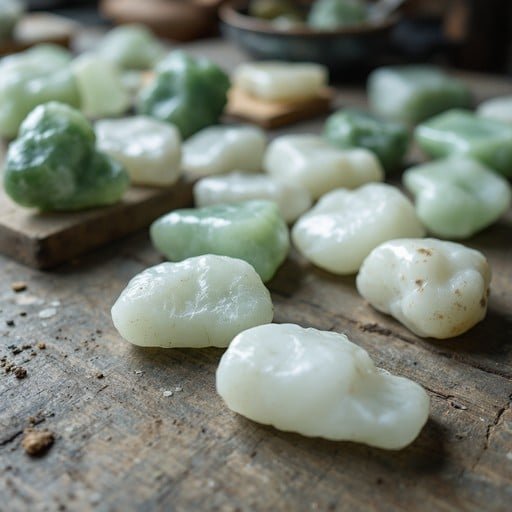
Jade is one of the most revered gemstones in the world, valued for its beauty, durability, cultural significance, and spiritual meaning. For thousands of years, jade has been admired not only as an ornamental stone but also as a symbol of purity, wisdom, prosperity, and protection. Across civilizations, jade has played a vital role in art, tradition, healing practices, and social status. Understanding jade requires exploring its origins, types, properties, cultural importance, and modern-day applications. This detailed explanation provides a comprehensive overview of jade, helping readers appreciate why it remains a timeless and meaningful gemstone. --- ## What Is Jade Jade is a term used to describe two distinct mineral types: jadeite and nephrite. Although they appear similar, these minerals differ in composition, structure, and value. Both forms are exceptionally tough, making jade one of the most durable gemstones used for carving, jewelry, and ceremonial objects. Jadeite is generally rarer and often more valuable, known for its vibrant colors and fine texture. Nephrite is more commonly found and typically appears in softer shades of green, white, or gray. Together, these minerals form what the world collectively recognizes as jade. --- ## Origin and Formation of Jade Jade forms deep within the Earth’s crust under intense pressure and specific geological conditions. This slow and natural formation process contributes to jade’s density, toughness, and smooth texture. Jade deposits are found in limited regions, making high-quality jade relatively rare. Historically, jade was sourced and traded along ancient routes, often reserved for royalty and nobility. Its scarcity and durability elevated its status beyond decorative use, giving it deep symbolic importance. --- ## Types of Jade The two main types of jade each possess unique characteristics. Jadeite is prized for its bright colors, which may include emerald green, lavender, white, yellow, and even black. Nephrite is valued for its creamy texture and earthy tones, commonly appearing in green and white shades. Both types are respected for their strength and ability to be carved into intricate designs. The choice between jadeite and nephrite often depends on cultural preference, design requirements, and intended use. --- ## Physical Properties of Jade Jade is renowned for its exceptional toughness, meaning it resists breaking better than many other gemstones. This quality made jade ideal for tools and weapons in ancient times, as well as for detailed carvings and jewelry. Jade has a smooth, waxy luster when polished, contributing to its elegant appearance. Its dense structure allows artisans to create fine details without compromising durability, which is why jade artifacts often survive for centuries. --- ## Color Variations in Jade Color is one of jade’s most appealing features. While green is the most recognized color, jade exists in many shades. These include white, yellow, brown, gray, lavender, and black. The variation depends on mineral composition and trace elements. Different cultures assign meanings to jade colors. Green jade is associated with harmony and growth, white jade symbolizes purity and calm, and darker jade tones are often linked to protection and strength. --- ## Cultural Significance of Jade Jade holds deep cultural importance, particularly in East Asian civilizations. It has long been associated with virtue, wisdom, and moral integrity. Historically, jade was used in royal seals, ceremonial objects, and burial artifacts. In many traditions, jade represents balance between mind, body, and spirit. It is often gifted to convey respect, good fortune, and lasting relationships. --- ## Jade in Spiritual and Metaphysical Practices Jade is widely regarded as a stone of harmony and protection. Many believe it promotes emotional balance, inner peace, and positive energy. Jade is often used in meditation, healing rituals, and spiritual practices. Some traditions associate jade with attracting prosperity and safeguarding against negative influences. While these beliefs vary, jade’s calming presence continues to appeal to spiritual practitioners worldwide. --- ## Jade in Jewelry Jade jewelry has been worn for centuries and remains popular today. Bracelets, rings, pendants, and necklaces crafted from jade are valued for both beauty and symbolism. Unlike fragile gemstones, jade jewelry is suitable for daily wear due to its toughness. Its smooth surface and natural elegance make it a versatile choice for both traditional and modern designs. --- ## Jade Carvings and Artifacts Jade is highly favored for carving due to its strength and fine texture. Artisans create intricate sculptures, talismans, beads, and decorative items from jade. Carved jade pieces often feature symbolic motifs such as animals, flowers, and mythological figures. These carvings are appreciated for their craftsmanship and cultural meaning. --- ## Jade and Feng Shui In Feng Shui, jade is used to balance energy and promote harmony in living spaces. Jade objects are placed strategically to encourage prosperity, protection, and positive flow of energy. Different jade forms are chosen based on intention, such as attracting success, improving relationships, or enhancing well-being. --- ## Authenticity and Imitations Due to jade’s value, imitations and treated stones are common in the market. Genuine jade has a cool, smooth feel and high density. Authentic jade also produces a clear sound when gently tapped. Understanding authenticity is important for buyers, as real jade holds greater value and durability compared to substitutes. --- ## Caring for Jade Jade requires gentle care to maintain its appearance. It should be cleaned with mild soap and water and wiped with a soft cloth. Avoid harsh chemicals or extreme temperatures. With proper care, jade develops a richer luster over time, often becoming more beautiful with age and wear. --- ## Jade as a Symbolic Gift Jade is a meaningful gift across many cultures. It is commonly given to mark milestones such as weddings, birthdays, and business achievements. The gemstone symbolizes good luck, protection, and enduring bonds, making it a thoughtful and lasting gift choice. --- ## Modern Demand for Jade Today, jade continues to attract global interest. Designers incorporate jade into contemporary jewelry and décor, blending tradition with modern aesthetics. Collectors and enthusiasts value jade for its historical importance, craftsmanship, and timeless appeal. --- ## Investment Value of Jade High-quality jade is considered a valuable asset. Its rarity, durability, and cultural importance contribute to long-term value. Well-crafted jade pieces are often passed down through generations, carrying both material and sentimental worth. --- ## Ethical and Responsible Jade Practices Responsible sourcing is increasingly important in the gemstone industry. Ethical jade practices respect natural resources, craftsmanship traditions, and sustainability. Choosing responsibly sourced jade supports long-term industry integrity and cultural preservation. --- ## Why Jade Remains Timeless Jade’s enduring appeal lies in its combination of beauty, strength, and meaning. Few gemstones offer the same balance of elegance and durability. Across centuries and cultures, jade has maintained its status as a symbol of harmony, prosperity, and protection. --- ## Conclusion Jade is far more than a decorative gemstone. It is a stone rich in history, symbolism, and natural beauty. From ancient traditions to modern design, jade continues to inspire admiration and respect. Understanding jade allows one to appreciate its true value—not just as a gemstone, but as a timeless expression of culture, craftsmanship, and meaning. ## Jade Explained Jade is one of the most revered gemstones in the world, valued for its beauty, durability, cultural significance, and spiritual meaning. For thousands of years, jade has been admired not only as an ornamental stone but also as a symbol of purity, wisdom, prosperity, and protection. Across civilizations, jade has played a vital role in art, tradition, healing practices, and social status. Understanding jade requires exploring its origins, types, properties, cultural importance, and modern-day applications. This detailed explanation provides a comprehensive overview of jade, helping readers appreciate why it remains a timeless and meaningful gemstone. --- ## What Is Jade Jade is a term used to describe two distinct mineral types: jadeite and nephrite. Although they appear similar, these minerals differ in composition, structure, and value. Both forms are exceptionally tough, making jade one of the most durable gemstones used for carving, jewelry, and ceremonial objects. Jadeite is generally rarer and often more valuable, known for its vibrant colors and fine texture. Nephrite is more commonly found and typically appears in softer shades of green, white, or gray. Together, these minerals form what the world collectively recognizes as jade. --- ## Origin and Formation of Jade Jade forms deep within the Earth’s crust under intense pressure and specific geological conditions. This slow and natural formation process contributes to jade’s density, toughness, and smooth texture. Jade deposits are found in limited regions, making high-quality jade relatively rare. Historically, jade was sourced and traded along ancient routes, often reserved for royalty and nobility. Its scarcity and durability elevated its status beyond decorative use, giving it deep symbolic importance. --- ## Types of Jade The two main types of jade each possess unique characteristics. Jadeite is prized for its bright colors, which may include emerald green, lavender, white, yellow, and even black. Nephrite is valued for its creamy texture and earthy tones, commonly appearing in green and white shades. Both types are respected for their strength and ability to be carved into intricate designs. The choice between jadeite and nephrite often depends on cultural preference, design requirements, and intended use. --- ## Physical Properties of Jade Jade is renowned for its exceptional toughness, meaning it resists breaking better than many other gemstones. This quality made jade ideal for tools and weapons in ancient times, as well as for detailed carvings and jewelry. Jade has a smooth, waxy luster when polished, contributing to its elegant appearance. Its dense structure allows artisans to create fine details without compromising durability, which is why jade artifacts often survive for centuries. --- ## Color Variations in Jade Color is one of jade’s most appealing features. While green is the most recognized color, jade exists in many shades. These include white, yellow, brown, gray, lavender, and black. The variation depends on mineral composition and trace elements. Different cultures assign meanings to jade colors. Green jade is associated with harmony and growth, white jade symbolizes purity and calm, and darker jade tones are often linked to protection and strength. --- ## Cultural Significance of Jade Jade holds deep cultural importance, particularly in East Asian civilizations. It has long been associated with virtue, wisdom, and moral integrity. Historically, jade was used in royal seals, ceremonial objects, and burial artifacts. In many traditions, jade represents balance between mind, body, and spirit. It is often gifted to convey respect, good fortune, and lasting relationships. --- ## Jade in Spiritual and Metaphysical Practices Jade is widely regarded as a stone of harmony and protection. Many believe it promotes emotional balance, inner peace, and positive energy. Jade is often used in meditation, healing rituals, and spiritual practices. Some traditions associate jade with attracting prosperity and safeguarding against negative influences. While these beliefs vary, jade’s calming presence continues to appeal to spiritual practitioners worldwide. --- ## Jade in Jewelry Jade jewelry has been worn for centuries and remains popular today. Bracelets, rings, pendants, and necklaces crafted from jade are valued for both beauty and symbolism. Unlike fragile gemstones, jade jewelry is suitable for daily wear due to its toughness. Its smooth surface and natural elegance make it a versatile choice for both traditional and modern designs. --- ## Jade Carvings and Artifacts Jade is highly favored for carving due to its strength and fine texture. Artisans create intricate sculptures, talismans, beads, and decorative items from jade. Carved jade pieces often feature symbolic motifs such as animals, flowers, and mythological figures. These carvings are appreciated for their craftsmanship and cultural meaning. --- ## Jade and Feng Shui In Feng Shui, jade is used to balance energy and promote harmony in living spaces. Jade objects are placed strategically to encourage prosperity, protection, and positive flow of energy. Different jade forms are chosen based on intention, such as attracting success, improving relationships, or enhancing well-being. --- ## Authenticity and Imitations Due to jade’s value, imitations and treated stones are common in the market. Genuine jade has a cool, smooth feel and high density. Authentic jade also produces a clear sound when gently tapped. Understanding authenticity is important for buyers, as real jade holds greater value and durability compared to substitutes. --- ## Caring for Jade Jade requires gentle care to maintain its appearance. It should be cleaned with mild soap and water and wiped with a soft cloth. Avoid harsh chemicals or extreme temperatures. With proper care, jade develops a richer luster over time, often becoming more beautiful with age and wear. --- ## Jade as a Symbolic Gift Jade is a meaningful gift across many cultures. It is commonly given to mark milestones such as weddings, birthdays, and business achievements. The gemstone symbolizes good luck, protection, and enduring bonds, making it a thoughtful and lasting gift choice. --- ## Modern Demand for Jade Today, jade continues to attract global interest. Designers incorporate jade into contemporary jewelry and décor, blending tradition with modern aesthetics. Collectors and enthusiasts value jade for its historical importance, craftsmanship, and timeless appeal. --- ## Investment Value of Jade High-quality jade is considered a valuable asset. Its rarity, durability, and cultural importance contribute to long-term value. Well-crafted jade pieces are often passed down through generations, carrying both material and sentimental worth. --- ## Ethical and Responsible Jade Practices Responsible sourcing is increasingly important in the gemstone industry. Ethical jade practices respect natural resources, craftsmanship traditions, and sustainability. Choosing responsibly sourced jade supports long-term industry integrity and cultural preservation. --- ## Why Jade Remains Timeless Jade’s enduring appeal lies in its combination of beauty, strength, and meaning. Few gemstones offer the same balance of elegance and durability. Across centuries and cultures, jade has maintained its status as a symbol of harmony, prosperity, and protection. --- ## Conclusion Jade is far more than a decorative gemstone. It is a stone rich in history, symbolism, and natural beauty. From ancient traditions to modern design, jade continues to inspire admiration and respect. Understanding jade allows one to appreciate its true value—not just as a gemstone, but as a timeless expression of culture, craftsmanship, and meaning.

Is light green jade considered real jade?

Yes, light green jade is real jade when it is naturally formed jadeite or nephrite. The light green color occurs due to natural mineral composition and is highly valued for its soft, elegant appearance.