Jade has fascinated civilizations for thousands of years, admired not only for its beauty but also for its strength, symbolism, and spiritual meaning. At Real Jade, jade is treated as more than a gemstone—it is a legacy stone that carries cultural, emotional, and historical value. However, many people are unaware that jade is not a single stone type. Instead, jade exists in different mineral forms and color variations, each with unique characteristics.

This comprehensive guide explains all types of jade stone available in Real Jade, including their mineral classification, colors, origins, meanings, and how authenticity is ensured. Understanding these differences helps buyers appreciate true jade and avoid common imitations.

What Qualifies as Real Jade

Scientifically, only two minerals are classified as true jade: Nephrite and Jadeite. These stones share exceptional toughness and a smooth, waxy luster, which distinguishes them from jade-like materials. Many stones sold as jade in the market—such as serpentine or dyed quartz—are not genuine jade.

Real Jade deals exclusively in authentic jade stones, carefully sourced and verified to meet gemological standards. Each type of jade available is selected based on natural formation, mineral composition, and long-term durability.

Nephrite Jade Stone

Nephrite jade is one of the oldest jade varieties known to humanity. It has been used for thousands of years in ancient China, Central Asia, and by the Māori people of New Zealand. Nephrite belongs to the amphibole mineral group and has a fibrous crystal structure, which gives it exceptional toughness.

At Real Jade, nephrite jade is valued for its smooth texture, subtle translucency, and earthy elegance. Its colors range from creamy white to pale green, deep spinach green, gray, brown, and black. White nephrite, often called mutton fat jade, is especially prized for its soft glow and refined appearance.

Nephrite jade symbolizes protection, endurance, emotional balance, and longevity. Because of its strength, it is ideal for daily-wear jewelry such as bangles and pendants, as well as traditional carvings.

Jadeite Jade Stone

Jadeite jade is rarer and generally more valuable than nephrite. It belongs to the pyroxene mineral group and has a granular crystal structure that allows for higher translucency and more vivid colors. Jadeite is mainly sourced from Myanmar, which produces the world’s finest quality specimens.

Real Jade offers carefully selected jadeite stones that are evaluated for color intensity, clarity, translucency, and natural texture. Jadeite jade comes in a wide range of colors, including green, lavender, white, yellow, red, black, and blue.

Jadeite jade is associated with prosperity, success, spiritual awareness, and refinement. High-quality jadeite, especially imperial green jadeite, is considered a luxury gemstone and is often used in heirloom jewelry.

Green Jade Stone

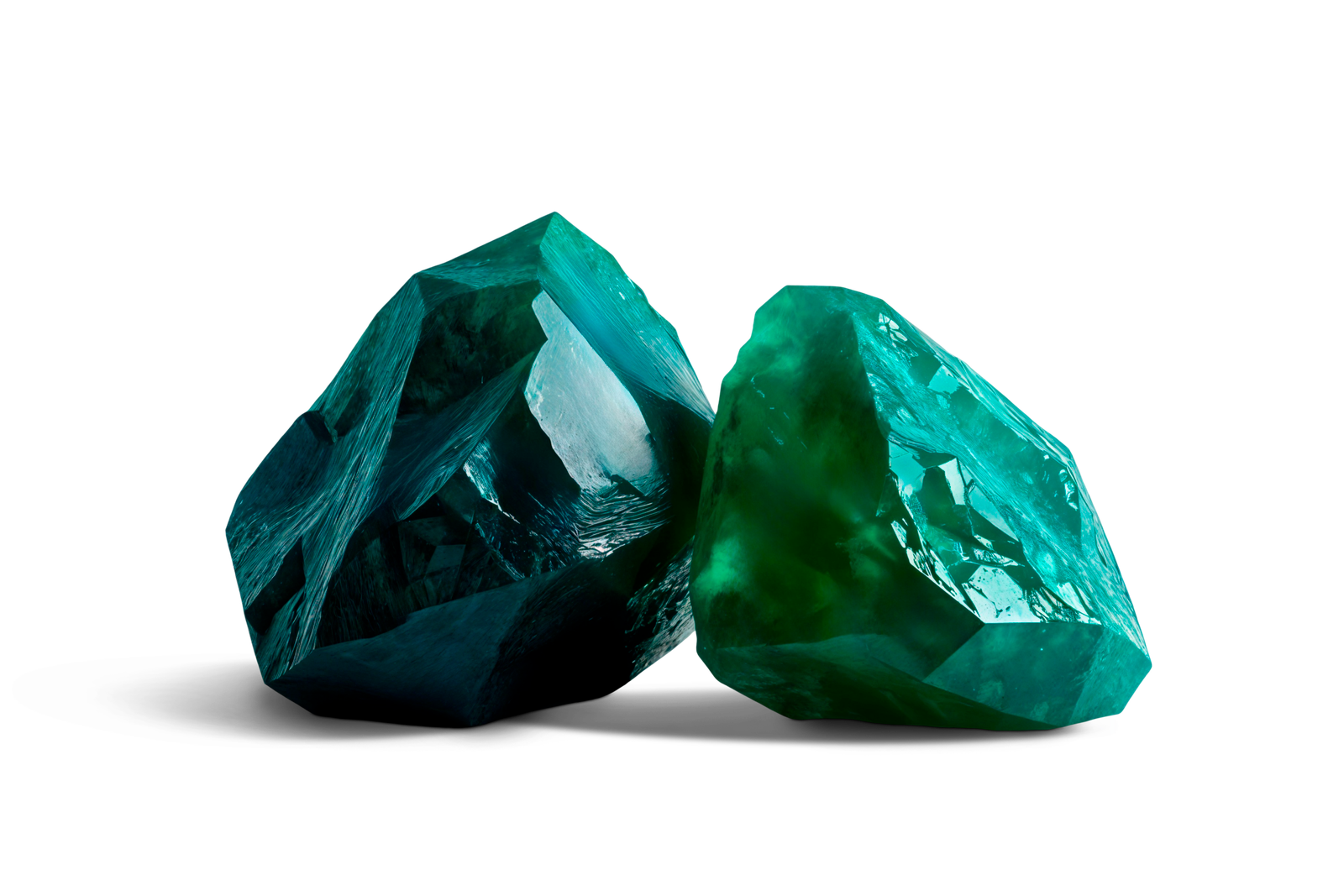
Green jade is the most iconic and widely recognized jade type. It is available in both nephrite and jadeite forms, though jadeite green is typically brighter and more translucent. The green color is caused by iron and chromium content within the stone.

At Real Jade, green jade stones are assessed for natural color distribution, depth, and internal structure. Shades range from soft pastel green to rich emerald tones. Deeper, evenly colored green jade with good translucency is considered premium quality.

Green jade represents harmony, renewal, growth, and prosperity. It has long been believed to attract good fortune and protect the wearer from negative influences, making it a popular choice for both spiritual and ornamental use.

White Jade Stone

White jade holds a special place in jade history and culture. Nephrite white jade is especially revered and has been treasured by Chinese royalty for centuries. Its creamy, smooth appearance gives it a calm and elegant presence rather than brilliance.

White jadeite is also available and tends to be more translucent than nephrite. At Real Jade, white jade stones are selected based on purity of color, fine texture, and natural sheen.

White jade symbolizes purity, wisdom, clarity, and peace. It is often chosen for spiritual jewelry, meditation pieces, and minimalist designs that highlight understated beauty.

Lavender Jade Stone

Lavender jade is a rare and beautiful variety of jadeite jade known for its soft purple to lilac hues. The color results from trace elements within the stone and is highly prized when naturally occurring and evenly distributed.

Real Jade carefully verifies lavender jade to ensure its color has not been artificially enhanced. High-quality lavender jade displays gentle translucency and a soothing, pastel tone.

Lavender jade is associated with emotional healing, spiritual growth, and inner calm. It is often selected by those seeking balance and serenity, making it popular for rings, pendants, and symbolic jewelry.

Black Jade Stone

Black jade is primarily found in nephrite jade, although black jadeite also exists in rarer forms. Its dark color comes from high concentrations of iron, graphite, or other mineral inclusions. Despite its dark appearance, genuine black jade shows slight translucency under strong light.

At Real Jade, black jade stones are valued for their bold aesthetic and grounding energy. Black jade symbolizes protection, strength, resilience, and emotional stability. It is frequently used in protective talismans and statement jewelry, particularly in men’s designs.

Yellow Jade Stone

Yellow jade is mainly found in jadeite and is admired for its warm, uplifting appearance. Natural yellow jade ranges from soft pale yellow to deeper golden hues. Many stones in the market are dyed, making natural yellow jade especially valuable.

Real Jade ensures that yellow jade stones retain their natural color and have not undergone artificial treatment. Yellow jade is associated with optimism, abundance, confidence, and emotional well-being.

This type of jade is often chosen by individuals seeking positivity and personal empowerment.

Red Jade Stone

Red jade is one of the rarest jade colors available. It is most commonly found in jadeite and often forms when iron-rich jade undergoes natural oxidation. Fully natural red jade is extremely valuable due to its rarity.

At Real Jade, red jade stones are carefully examined to confirm natural coloration. Red jade symbolizes vitality, passion, courage, and life energy. It is traditionally associated with celebration, success, and auspicious occasions.

Blue Jade Stone

Blue jade is exceptionally rare and primarily found in jadeite. Its color ranges from pale blue-green to deeper blue shades, often with a calm and misty appearance.

Real Jade sources blue jade with extreme care, ensuring authenticity and minimal treatment. Blue jade represents wisdom, tranquility, clarity, and introspection. It is often chosen for meditation jewelry and spiritually meaningful pieces.

Multicolor Jade Stone

Multicolor jade features two or more natural colors within a single stone. This occurs due to variations in mineral composition during formation. Jadeite is more likely than nephrite to display multicolor patterns.

At Real Jade, multicolor jade stones are admired for their uniqueness and artistic value. Each piece is one of a kind and often used in custom jewelry or intricate carvings. Multicolor jade symbolizes balance, adaptability, and harmony between different life energies.

Natural Jade Classification at Real Jade

Jade is also classified based on treatment. Natural jade, known as Type A jade, is untreated except for traditional surface waxing. Other types may be chemically bleached, dyed, or resin-infused.

Real Jade prioritizes authentic, natural jade stones and maintains transparency about any treatments. This commitment ensures long-term value, durability, and trust for buyers.

How Real Jade Ensures Authenticity

Authenticity is central to Real Jade’s philosophy. Each jade stone undergoes careful evaluation, including visual examination, texture analysis, translucency checks, and professional gemological testing when necessary.

Genuine jade feels cool to the touch, has a smooth, dense feel, and displays natural internal structures rather than bubbles or artificial dye patterns. Real Jade educates buyers so they can confidently distinguish real jade from imitations.

Cultural and Spiritual Significance of Jade Types

Different jade types carry different meanings. Nephrite jade emphasizes protection and tradition, while jadeite jade reflects luxury and spiritual elevation. Color variations further influence symbolism, making jade deeply personal for each wearer.

At Real Jade, jade stones are chosen not only for appearance but also for the story, heritage, and meaning they carry.

Choosing the Right Type of Jade at Real Jade

Selecting jade depends on personal preference, intended use, and symbolic meaning. Some prefer the historical strength of nephrite, while others are drawn to the brilliance and rarity of jadeite. Color choices often reflect emotional or spiritual intentions.

Real Jade offers guidance to help customers choose jade stones that align with their values, lifestyle, and aesthetic taste.

Conclusion

The types of jade stone available in Real Jade represent a world of beauty, history, and meaning. From the timeless durability of nephrite to the vivid elegance of jadeite, and from classic green jade to rare lavender and blue varieties, each jade stone tells a unique story.

At Real Jade, authenticity, quality, and education come together to preserve the true essence of jade. Understanding these jade types allows buyers to invest not only in a gemstone but in a piece of cultural heritage that lasts for generations.
Jade jewellery has been cherished for centuries across cultures, admired not only for its beauty but also for its deep symbolic meaning. Unlike many gemstones that are valued mainly for sparkle, jade stands out for its strength, smooth texture, and emotional significance. From ancient emperors to modern jewellery lovers, jade jewellery continues to hold a timeless appeal that blends tradition, spirituality, and elegance. What Makes Jade Jewellery Special Jade jewellery is unique because jade is one of the toughest gemstones in the world. Its durability allows it to be carved into intricate designs without breaking easily. Genuine jade has a smooth, waxy luster and a cool touch, giving it a calming and luxurious feel when worn. There are only two minerals classified as true jade: nephrite jade and jadeite jade. Both are used in jewellery, but jadeite is rarer and generally more valuable due to its vibrant colors and higher translucency. Types of Jade Used in Jewellery Nephrite Jade Jewellery Nephrite jade has been used for thousands of years and is known for its fibrous structure, which makes it extremely tough. Nephrite jade jewellery often appears in soft green, white, gray, or black shades. It has a more subtle and earthy beauty, making it ideal for everyday wear. Nephrite jade jewellery symbolizes protection, balance, and emotional healing. It is commonly used in bangles, beads, pendants, and traditional carved designs. Jadeite Jade Jewellery Jadeite jade is considered the premium form of jade jewellery. It comes in a wide range of colors including green, lavender, white, yellow, red, black, and blue. Imperial green jadeite is the most famous and valuable variety. Jadeite jade jewellery is often associated with wealth, success, and refinement. Due to its rarity and brilliance, it is frequently used in high-end rings, earrings, pendants, and heirloom pieces. Popular Jade Jewellery Types Wearing jade jewellery is often believed to bring good luck, ward off negative energy, and promote emotional stability. Benefits of Wearing Jade Jewellery Many people choose jade jewellery not only for its beauty but also for its believed benefits. Jade is often described as a calming stone that helps reduce stress and anxiety. It is thought to promote balance, encourage positive thoughts, and strengthen emotional well-being. Jade jewellery is also believed to support physical wellness by promoting relaxation and harmony within the body. While these benefits are rooted in tradition rather than science, jade continues to be valued as a meaningful and comforting gemstone. How to Identify Genuine Jade Jewellery Real Jade Different Colors Explained – Meaning, Formation, and Value Real jade is admired not only for its strength and smooth texture but also for its remarkable range of natural colors. Unlike many gemstones that are valued mainly for sparkle, jade is treasured for depth of color, cultural meaning, and spiritual symbolism. Each jade color forms naturally due to variations in mineral content and geological conditions, making color one of the most important factors in jade appreciation. At Real Jade, understanding jade colors helps buyers recognize authenticity, quality, and personal significance. This guide explains the different colors of real jade, how they form, what they symbolize, and why they matter in value and selection. How Color Forms in Real Jade Jade color is determined by trace elements present during the stone’s formation deep within the earth. Iron, chromium, manganese, and other minerals influence the final hue. Jade may also display variations in tone, saturation, and translucency, all of which affect beauty and desirability. types of jade stone types of jade stone types of jade stone types of jade stone types of jade stone types of jade stone types of jade stone types of jade stone types of jade stone types of jade stone types of jade stone types of jade stone types of jade stone types of jade stone types of jade stone types of jade stone types of jade stone types of jade stone types of jade stone types of jade stone types of jade stone types of jade stone types of jade stone types of jade stone types of jade stone types of jade stone types of jade stone types of jade stone types of jade stone types of jade stone types of jade stone types of jade stone Real jade occurs in two mineral forms: nephrite and jadeite. Nephrite tends to show softer, more earthy colors, while jadeite can exhibit bright, vivid hues with higher translucency. Natural color consistency and depth are key indicators of quality at Real Jade. Green Jade Color Green is the most iconic and widely recognized jade color. It ranges from pale, milky green to deep emerald shades. In jadeite, green can be vibrant and translucent, while nephrite green often appears softer and more uniform. Green jade symbolizes harmony, growth, renewal, and prosperity. It has long been associated with good fortune and protection. At Real Jade, green jade is evaluated for natural color distribution, richness, and internal clarity. Deep, evenly colored green jade with good translucency holds the highest value. White Jade Color White jade is highly respected for its purity and elegance. It may appear creamy, milky, or slightly translucent rather than bright white. Nephrite white jade, often referred to as mutton fat jade, has been prized for centuries for its smooth, waxy luster. White jade represents wisdom, clarity, peace, and moral integrity. At Real Jade, white jade stones are chosen for fine texture and natural sheen. They are popular for minimalist jewellery and spiritual pieces where subtle beauty is valued over bold color. Lavender Jade Color Lavender jade is a rare and beautiful jadeite variety featuring soft purple to lilac hues. Its color forms due to trace elements within the jadeite structure. Natural lavender jade often appears calm and soothing rather than bright. Lavender jade symbolizes emotional healing, inner peace, and spiritual awareness. At Real Jade, lavender jade is carefully examined to ensure the color is natural and evenly distributed. Stones with gentle translucency and consistent tone are especially prized. Black Jade Color Black jade is primarily found in nephrite jade and gains its color from high iron or graphite content. Despite its dark appearance, genuine black jade shows slight translucency under strong light. Black jade symbolizes protection, strength, and grounding energy. It is often chosen for protective jewellery and bold designs. At Real Jade, black jade is appreciated for its depth, smooth polish, and natural formation rather than artificial darkening. Yellow Jade Color Yellow jade appears mainly in jadeite and ranges from pale lemon tones to warm golden shades. Natural yellow jade is relatively rare, as many yellow stones on the market are dyed. Yellow jade represents optimism, abundance, confidence, and happiness. At Real Jade, yellow jade stones are carefully checked to ensure they retain their natural color. Soft, warm yellow hues with even tone are most desirable. Red Jade Color Red jade is one of the rarest jade colors and is usually found in jadeite. The red hue often results from natural oxidation processes rather than internal mineral content, making true red jade extremely valuable. Red jade symbolizes vitality, passion, courage, and success. It is traditionally associated with celebration and positive life energy. At Real Jade, red jade stones are evaluated for natural surface coloration and stability to confirm authenticity. Blue Jade Color Blue jade is exceptionally rare and primarily found in jadeite. Its color ranges from pale blue-green to deeper blue tones with a misty or tranquil appearance. Blue jade symbolizes wisdom, calmness, clarity, and introspection. At Real Jade, blue jade is sourced with great care and verified to ensure natural formation. Due to its rarity, blue jade is often used in special or custom jewellery pieces. Multicolour Jade Multicolour jade displays two or more natural colors within a single stone. This occurs when variations in mineral composition form during the stone’s development. Jadeite is more likely than nephrite to show distinct color zones. Multicolour jade symbolizes balance, harmony, and adaptability. At Real Jade, each multicolour jade stone is considered unique and valued for its artistic appeal. Such stones are often used in carved designs that highlight their natural patterns. How Color Affects Jade Value Color is one of the most important factors in determining jade value. Depth, purity, evenness, and translucency all play a role. Bright, evenly colored jadeite typically commands higher prices, while softer nephrite colors are valued for elegance and durability. At Real Jade, color is assessed alongside texture, clarity, and authenticity. Natural color without dye or treatment always holds greater long-term value. Choosing the Right Jade Color Selecting a jade color is a personal decision influenced by symbolism, style preference, and emotional connection. Some choose green jade for prosperity, white jade for peace, lavender jade for healing, or black jade for protection. Real Jade helps buyers choose colors that align with their intentions and lifestyle, ensuring both beauty and meaning. Conclusion The different colors of real jade reflect the stone’s natural beauty and deep cultural significance. From classic green and elegant white to rare lavender, blue, and red hues, each color tells a story formed over millions of years. At Real Jade, every jade color is valued for its authenticity, natural formation, and symbolic meaning. Understanding these colors allows buyers to appreciate jade not just as jewellery, but as a timeless gemstone with lasting value and purpose. Authenticity is crucial when buying jade jewellery. Genuine jade feels cool to the touch and warms slowly when worn. It has a smooth, dense feel and does not feel lightweight like glass or plastic. Real jade does not show air bubbles, overly bright artificial colors, or surface dye lines. Natural jade may have slight inclusions or variations, which are signs of authenticity rather than flaws. Professional gemological testing is the most reliable way to confirm genuine jade, especially for valuable jadeite jewellery. Jade Jewellery Care and Maintenance Jade jewellery is durable but still requires proper care to maintain its beauty. It should be cleaned gently with mild soap and lukewarm water. Harsh chemicals and ultrasonic cleaners should be avoided, as they may damage treated jade. Jade jewellery should be stored separately to prevent scratching other gemstones. Although jade is tough, it can still chip if dropped on hard surfaces. Regular care helps jade jewellery retain its natural luster and energy over time. Why Jade Jewellery Remains Timeless Jade jewellery has never gone out of style because it combines beauty, meaning, and durability. Unlike trend-based gemstones, jade adapts effortlessly to changing fashion while maintaining its cultural and emotional significance. Modern designers now blend jade with gold, silver, and diamonds, creating jewellery that appeals to both traditional and contemporary tastes. This versatility ensures that jade jewellery remains relevant across generations. Conclusion Jade jewellery is more than an accessory—it is a symbol of tradition, protection, and timeless elegance. Whether crafted from nephrite or jadeite, jade jewellery carries a unique presence that few gemstones can match. Its rich history, deep symbolism, and lasting beauty make it a meaningful choice for anyone seeking jewellery with purpose. From everyday wear to heirloom pieces, jade jewellery continues to shine as a gemstone that connects the past, present, and future. Jade jewellery is crafted into many forms, each carrying its own charm and meaning. Jade bangles are among the most traditional and symbolic pieces. They are believed to offer protection and bring harmony to the wearer. In many cultures, jade bangles are gifted as symbols of love, safety, and good fortune. Jade pendants are popular for their spiritual and aesthetic value. Often carved into symbols such as Buddha, lotus, or lucky charms, jade pendants are worn close to the heart to promote calmness and positivity. Jade rings are elegant and meaningful, often symbolizing commitment, balance, and prosperity. Jade rings are worn both as fashion statements and spiritual accessories. Jade necklaces and beads are appreciated for their soothing energy and classic appearance. They can be styled with both traditional and modern outfits. Meaning and Symbolism of Jade Jewellery Jade jewellery is deeply rooted in symbolism. Across cultures, jade has been associated with purity, wisdom, protection, and longevity. In Chinese tradition, jade represents moral integrity and spiritual balance. It is often considered a stone that connects the physical and spiritual worlds. Different jade colors add additional meaning. Green jade symbolizes growth and harmony. White jade represents purity and clarity. Lavender jade is linked to emotional healing and inner peace. Black jade is associated with protection and strength, while red jade represents vitality and passion. Wearing jade jewellery is often believed to bring good luck, ward off negative energy, and promote emotional stability. Benefits of Wearing Jade Jewellery Many people choose jade jewellery not only for its beauty but also for its believed benefits. Jade is often described as a calming stone that helps reduce stress and anxiety. It is thought to promote balance, encourage positive thoughts, and strengthen emotional well-being. Jade jewellery is also believed to support physical wellness by promoting relaxation and harmony within the body. While these benefits are rooted in tradition rather than science, jade continues to be valued as a meaningful and comforting gemstone. How to Identify Genuine Jade Jewellery Authenticity is crucial when buying jade jewellery. Genuine jade feels cool to the touch and warms slowly when worn. It has a smooth, dense feel and does not feel lightweight like glass or plastic. Real jade does not show air bubbles, overly bright artificial colors, or surface dye lines. Natural jade may have slight inclusions or variations, which are signs of authenticity rather than flaws. Professional gemological testing is the most reliable way to confirm genuine jade, especially for valuable jadeite jewellery. Jade Jewellery Care and Maintenance Jade jewellery is durable but still requires proper care to maintain its beauty. It should be cleaned gently with mild soap and lukewarm water. Harsh chemicals and ultrasonic cleaners should be avoided, as they may damage treated jade. Jade jewellery should be stored separately to prevent scratching other gemstones. Although jade is tough, it can still chip if dropped on hard surfaces. Regular care helps jade jewellery retain its natural luster and energy over time. Why Jade Jewellery Remains Timeless Jade jewellery has never gone out of style because it combines beauty, meaning, and durability. Unlike trend-based gemstones, jade adapts effortlessly to changing fashion while maintaining its cultural and emotional significance. Modern designers now blend jade with gold, silver, and diamonds, creating jewellery that appeals to both traditional and contemporary tastes. This versatility ensures that jade jewellery remains relevant across generations. Conclusion Jade jewellery is more than an accessory—it is a symbol of tradition, protection, and timeless elegance. Whether crafted from nephrite or jadeite, jade jewellery carries a unique presence that few gemstones can match. Its rich history, deep symbolism, and lasting beauty make it a meaningful choice for anyone seeking jewellery with purpose. From everyday wear to heirloom pieces, jade jewellery continues to shine as a gemstone that connects the past, present, and future.

What types of jade stone are available in Real Jade?

Real Jade offers only authentic jade stones, including nephrite jade and jadeite jade. These are available in natural color varieties such as green, white, lavender, black, yellow, red, blue, and multicolor jade, all carefully verified for authenticity and quality.

What are the different types of jade stone available at Real Jade?

Jade TypeShort Description
Nephrite JadeDurable natural jade known for soft green and white shades.
Jadeite JadeRare, premium jade with vivid colours and translucency.
Green JadeClassic jade symbolising harmony and good fortune.
White JadeSmooth, creamy jade representing purity and wisdom.
Lavender JadeRare purple-toned jade linked to calm and healing.
Black JadeDark jade associated with protection and strength.
Yellow JadeWarm jade symbolising positivity and abundance.
Red JadeRare jade representing vitality and success.
Blue JadeExtremely rare jade linked to wisdom and peace.
Multicolour JadeNatural jade with multiple colours in one stone.