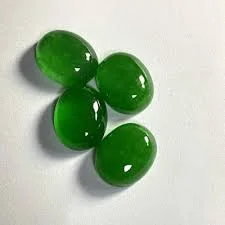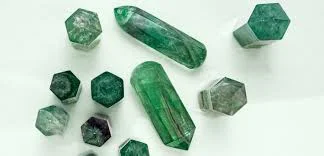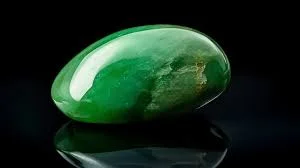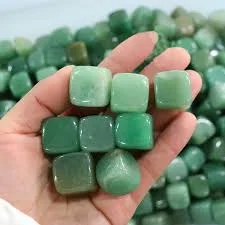
nephrite jade China

Jade stone is a naturally occurring gemstone valued for its distinctive colors, durability, and cultural heritage. It occurs in two mineral varieties: jadeite and nephrite jade, each with unique textures, shades, and gemological properties. While green is widely recognized, natural jade gemstone can also appear in white, lavender, yellow, red, and black. Its value depends on factors such as color consistency, translucency, texture, condition, and treatment status.

At Real Jade, gemstone selection focuses on natural beauty and authenticity. Whether you are exploring jade jewelry for personal use or sourcing real jade stone bulk for commercial purposes, understanding the stone’s mineral type and quality helps you make informed decisions. As a jade gemstone trading company, Real Jade helps customers explore genuine jade stone for sale for jewelry and gemstone collections. Choose jade based on verified authenticity, individual characteristics, and suitable documentation rather than color alone.

Explore Jade Stone Types, Colors, and Quality

Understanding the mineral composition, origin, and physical characteristics of jade stone helps buyers distinguish between different gemstone varieties. Jadeite and nephrite jade have separate mineral structures, making their appearance, availability, and commercial applications different.

  • Jadeite: A comparatively rare variety, commonly associated with Myanmar and Guatemala. It occurs in green, lavender, white, yellow, and reddish shades. Its transparency can range from opaque to highly translucent.

  • Nephrite: Found in regions such as China, Canada, and Russia. Its closely interwoven mineral fibres contribute to its toughness and characteristic smooth, waxy appearance. Green, white, grey, and brown are common colours.

  • Imperial Green Jade: A valuable jadeite variety distinguished by saturated green colour, fine texture, and attractive translucency.

  • Lavender and White Jade: Selected for their distinctive appearance in jewelry, decorative objects, and carved gemstone designs.

  • Yellow and Blue Jade: Less common market varieties that require proper mineral identification because similar trade names may describe different materials.

What Determines Jade Stone Value?

The commercial value of a natural jade gemstone depends on its mineral identity and several physical and market-related characteristics.

  • Colour distribution: Consistent colour, desirable saturation, and natural appearance influence buyer preference.

  • Transparency and grain structure: Fine-grained material with attractive light transmission can increase the appeal of quality jadeite.

  • Origin and rarity: Certain geological sources and uncommon colour varieties attract specialist collectors.

  • Craftsmanship: Cutting precision, carving details, surface finishing, and material wastage influence finished product pricing.

  • Treatment condition: Untreated material generally attracts greater interest than chemically modified or artificially coloured stones.

How to Identify Genuine Jade

Identifying genuine jade requires more than examining its external appearance. Buyers should consider these verification steps:

  • Gemstone identification: Obtain an independent laboratory assessment to distinguish jadeite from nephrite and similar-looking minerals.

  • Treatment disclosure: Type A jadeite is conventionally untreated apart from permitted traditional waxing, while Type B involves chemical bleaching and polymer impregnation. Type C refers to dyed material.

  • Report verification: Check the laboratory details, report number, mineral identification, and treatment information.

  • Professional examination: Avoid relying on household scratch, temperature, or light tests as proof of authenticity.

Jade Jewelry and Wholesale Supply

Jade stone is used across traditional ornaments, contemporary jewelry, and decorative gemstone products.

  • Jewelry applications: Rings, pendants, necklaces, bangles, earrings, and polished beads.

  • Carved products: Decorative figures, cultural motifs, cabochons, and ornamental pieces.

  • Bulk sourcing: Real jade stone bulk purchasing can support jewelry manufacturers, retailers, distributors, and gemstone resellers.

  • Commercial selection: A jade gemstone trading company should provide clear product specifications, material identification, treatment disclosures, and order information.

  • Purchase verification: Customers exploring genuine jade stone for sale should compare mineral type, quality, available documentation, pricing, and quantity before purchasing.

Jade Care and Maintenance

Clean jade jewelry using lukewarm water, mild soap, and a soft cloth. Dry each piece before storage and keep it separately from harder gemstones to prevent surface scratches. Avoid harsh chemicals, prolonged heat exposure, steam cleaning, and ultrasonic devices, particularly when treatment details are uncertain. Remove jewelry before activities that may cause impact or physical damage.

Selecting between jadeite and nephrite jade depends on the intended application, appearance, quality requirements, and purchasing budget. Whether buying an individual ornament or arranging wholesale gemstone orders, verified identification, transparent product information, and suitable documentation should guide the decision.


Is the jade from Real Jade authentic?

Yes, all jade stones from Real Jade are 100% natural, untreated, and certified, ensuring genuine quality and value.

What Does High Quality Jade Look Like?

High-quality jade typically has rich, even color, a smooth texture, and an attractive natural luster. Fine jadeite often appears vibrant green with good translucency, while quality jade can also be white, lavender, yellow, or other natural shades. Authenticity and treatment status also affect its value.

What Does NGTC Certificate Mean for Jade?

An NGTC certificate is a gemstone identification report issued by the National Gemstone Testing Center in China. For jade, it can help verify the gemstone’s identity and disclose relevant testing findings, including treatment status where assessed. Always check the certificate details and report number.

Who Should Not Wear Jade Stone?

There is no scientific evidence that certain people should avoid wearing jade stone. Most people can wear jade jewelry safely, provided they have no sensitivity to the metal settings. Cultural or astrological restrictions vary by tradition.

Is Jade From China Better Quality?

Not necessarily. Chinese jade, especially fine jadeite from Myanmar sold through China, can be highly valuable, but quality depends on the jade’s color, translucency, texture, treatments, and authenticity rather than its country of sale alone. Always check reliable gemological certification before buying.

Are Certified Jade Stones Always Better?

Certified jade stones offer greater confidence because a reliable gemological report can help confirm the jade type and identify treatments. However, certification does not automatically mean higher quality. Always assess the stone’s color, translucency, texture, condition, and value alongside its certificate.

Is Pale Jade Less Valuable Than Dark Jade?

Not always. Pale jade can be as valuable as dark jade, depending on its type, color consistency, translucency, texture, and treatment status. Fine lavender, white, or pale green jade may command high prices, while vibrant, evenly colored green jadeite is also highly prized.

What Are the Key Features of Jade Stone?

FeatureDescription
Material TypeNatural gemstone (jadeite or nephrite)
Color RangeGreen, white, lavender, yellow, and gray
TextureSmooth, fine-grained, and polished
TransparencyOpaque to semi-translucent
DurabilityHighly strong and resistant to wear
OriginFound in Myanmar, China, Canada, and New Zealand
Common UsesJewelry, carvings, decorative items
Value FactorsColor quality, clarity, craftsmanship, and rarity
Identification TipCool touch, natural variations, and dense weight

# Jade Stone: Types, Quality, Authenticity, Jewelry and Wholesale Trading ## Discover the Natural Beauty of Jade **Jade stone** is a naturally occurring gemstone appreciated for its attractive appearance, toughness, cultural importance, and versatility in jewelry making. Its use extends from traditional ornaments and handcrafted carvings to modern accessories and gemstone collections. Different mineral compositions, natural colours, and surface characteristics make each piece distinctive. At Real Jade, the focus is on exploring gemstone varieties and their suitability for personal collections, jewelry applications, and commercial requirements. Customers interested in a natural jade gemstone can compare different varieties, colours, and qualities before choosing a suitable piece. Businesses looking for real jade stone bulk can also consider material specifications, quantity requirements, and available documentation when evaluating their purchasing options. Jade belongs to two mineral groups: jadeite and nephrite jade. Although these varieties share the same commercial name, they have different mineral compositions and physical characteristics. Understanding these differences helps individual buyers, collectors, and jewelry businesses make more informed decisions. ## Understanding Real Jade Stone Genuine jade is classified as either jadeite, a sodium aluminium pyroxene, or nephrite, a calcium magnesium amphibole. Their closely interlocking mineral structures contribute to their toughness, making them suitable for carving, polishing, and producing different jewelry designs. The appearance of a natural gemstone can vary according to its mineral composition, geological formation, and natural colour distribution. Some pieces have an opaque surface, while others allow light to pass through to varying degrees. Important characteristics include: - **Mineral composition:** Genuine material belongs to the jadeite or nephrite mineral group. - **Colour variations:** Natural shades include green, white, lavender, yellow, brown, and black. - **Physical toughness:** Interlocking mineral structures help the material withstand everyday handling. - **Surface appearance:** Polish, grain structure, translucency, and texture influence its visual appeal. - **Commercial applications:** Used in jewelry, ornamental carvings, decorative objects, and collectible gemstone pieces. Buyers should examine these characteristics together rather than judging a gemstone entirely by its colour or external finish. ## Jadeite and Nephrite Jade: Mineral Differences Jadeite and nephrite jade are the two recognized forms of genuine jade. Their differences are important when selecting gemstones for jewelry production, collecting, or wholesale purchasing. | Characteristics | Jadeite | Nephrite | |---|---|---| | Mineral group | Pyroxene | Amphibole | | Common colours | Green, lavender, white, yellow | Green, white, grey, brown | | Hardness | Approximately 6.5–7 Mohs | Approximately 6–6.5 Mohs | | Texture | Fine to granular | Interlocking fibrous structure | | Appearance | Can range from opaque to translucent | Often has a silky or waxy luster | | Applications | Fine jewelry and cabochons | Carvings, bangles and ornaments | ### Jadeite: Colours and Gemstone Characteristics Jadeite is particularly recognized in the fine gemstone market because certain varieties display vivid colour, attractive translucency, and fine texture. Myanmar is an important historical source, while Guatemala is another known source of jadeite. Imperial Green is among the most recognized varieties, but jadeite also occurs in lavender, white, yellow, red, and other shades. Its appearance depends on mineral composition, microscopic structure, and the distribution of colouring elements. Popular jadeite varieties include: - **Imperial Green:** A highly sought-after variety known for saturated green colour and appealing translucency. - **Lavender:** A purple-toned variety used in distinctive jewelry and collectible gemstone pieces. - **White:** A light-coloured option suitable for minimalist ornaments and carved designs. - **Yellow:** A warm shade that provides an alternative to conventional green jewelry. - **Blue:** An uncommon colour associated with certain jadeite deposits, including Guatemala. Jadeite is fashioned into bangles, rings, earrings, pendants, and decorative carvings. Its market appeal depends on several characteristics rather than mineral identity alone. ### Nephrite: Strength and Traditional Craftsmanship Nephrite is known for its dense, interwoven fibrous structure. This structure gives it considerable toughness and makes it suitable for detailed carving and ornamental applications. It occurs in different geographical regions, including China, Canada, Russia, and the United States. Green and creamy white are popular shades, while grey, brown, and black varieties are also available. White nephrite is sometimes described using the traditional trade term mutton-fat jade because of its smooth, creamy appearance. Nephrite is commonly used for bracelets, pendants, traditional ornaments, decorative figures, and carved accessories. When comparing the two varieties, buyers should consider the intended application, preferred colour, finishing requirements, and budget. ## Popular Jade Colours and Their Market Appeal Colour is an important visual characteristic when evaluating gemstones, but it should not be treated as the only measure of quality. Natural colour distribution, mineral identity, texture, transparency, and treatment history also influence purchasing decisions. - **Green:** Popular for traditional bangles, pendants, rings, and collectible pieces. - **Lavender:** Selected for its distinctive purple appearance and decorative appeal. - **White:** Suitable for understated jewelry and traditional carving applications. - **Yellow and Golden:** Offer warm colour variations for ornaments and accessories. - **Blue:** A less common option that requires careful mineral identification. - **Black:** Used in darker-toned pendants, bracelets, and contemporary jewelry. Trade descriptions do not always establish the actual mineral composition. Terms such as Malay Jade and New Jade may refer to materials other than genuine jadeite or nephrite. Therefore, laboratory identification is particularly useful when purchasing uncommon colours or higher-value pieces. ## Jade Jewelry for Traditional and Contemporary Styles Jade has been used in personal ornaments and decorative craftsmanship across different cultures. Its ability to be shaped, polished, and carved allows artisans to create designs ranging from simple everyday accessories to elaborate statement jewelry. Common jewelry applications include: - **Bangles:** Circular gemstone designs with polished surfaces and different colour patterns. - **Rings:** Cabochon settings and simple gemstone designs for everyday or occasional wear. - **Pendants:** Carved figures, floral motifs, and geometric shapes used in necklaces. - **Earrings:** Studs and drop styles featuring polished gemstone pieces. - **Necklaces:** Bead strands and individual pendants combined with different materials. The quality of a finished jewelry item depends on the gemstone, cutting accuracy, polishing, design balance, and setting. Buyers should also examine the condition of the piece and check whether its metal components are properly secured. ## Cultural History and Symbolic Importance Jade has a long-standing connection with art, craftsmanship, and cultural traditions. In ancient China, it was associated with virtue, wisdom, social position, and harmony. It was fashioned into ceremonial objects, personal ornaments, decorative carvings, and important royal possessions. In Māori culture, nephrite is known as pounamu and holds significant ancestral and cultural meaning. Ancient Mesoamerican civilizations also used jade for ornaments, ceremonial objects, and symbols of status. These historical connections continue to influence modern jewelry preferences. Some people select particular colours or carved designs because of their cultural meaning, family traditions, or personal associations. Green varieties are commonly associated with prosperity and good fortune in certain traditions. Other symbolic meanings include balance, protection, and emotional harmony. Such interpretations are cultural and spiritual beliefs, not scientifically proven health benefits. ## How to Verify Genuine Jade Stone A gemstone's appearance alone cannot establish whether it is genuine. Glass, serpentine, dyed chalcedony, and other materials can resemble jade. Some natural stones may also undergo treatments that change their original colour or transparency. Consider the following checks before purchasing: 1. **Identify the mineral:** Confirm whether the material is jadeite or nephrite rather than relying on general trade descriptions. 2. **Examine its condition:** Look for cracks, chips, surface damage, uneven polishing, and visible imperfections. 3. **Ask about treatments:** Request disclosure of known chemical treatments, polymer impregnation, or artificial colouring. 4. **Review laboratory reports:** For valuable purchases, obtain an independent gemological report identifying the mineral and relevant treatments. 5. **Verify product information:** Compare the seller's description with the available documentation, invoice, and purchasing terms. ### Understanding Jadeite Treatment Grades Commercial jadeite classification commonly uses three treatment categories: - **Type A:** Natural jadeite without chemical bleaching or polymer impregnation. Traditional surface waxing may be permitted. - **Type B:** Material chemically bleached to remove impurities and subsequently impregnated with polymer resin. - **Type C:** Dyed jadeite in which artificial colouring changes its appearance. These classifications are relevant when comparing gemstone quality and resale value. A laboratory assessment is more dependable than household experiments. Scratch tests, temperature checks, and sound tests cannot reliably establish authenticity. They may also cause unnecessary damage. Buyers should use professional gemological testing instead. ## Factors That Influence Jade Stone Value Gemstone pricing is not determined by weight alone. Two pieces with similar dimensions can have substantially different market values because of their mineral type, appearance, condition, treatment, and workmanship. The major valuation factors include: - **Colour quality:** Attractive saturation and balanced colour distribution can improve market demand. - **Translucency:** Fine-quality jadeite with pleasing light transmission may attract higher prices. - **Texture:** A consistent grain structure and smooth polish contribute to visual appeal. - **Mineral variety:** Rare, fine-quality jadeite can command higher prices than many commercial nephrite varieties. - **Treatment status:** Natural untreated material generally attracts greater interest than chemically modified or dyed alternatives. - **Craftsmanship:** Detailed carving, accurate shaping, and well-finished surfaces influence the value of completed jewelry. - **Documentation:** Independent reports and transparent product information help buyers assess gemstone characteristics. Market prices can change according to availability, origin, demand, and individual stone quality. Buyers should compare materials with similar specifications instead of assuming that all green gemstones or particular origins have the same value. ## Wholesale Jade Stone and Commercial Sourcing The gemstone trade serves different purchasing requirements, including jewelry manufacturing, retail distribution, collecting, and ornamental production. Businesses sourcing real jade stone bulk generally need clear material specifications and consistent communication before confirming an order. A commercial purchasing process should consider: - **Mineral classification:** Establish whether the available material is jadeite, nephrite, or a finished product. - **Product specifications:** Confirm colour, dimensions, shape, finish, and visible quality characteristics. - **Quantity requirements:** Discuss order quantities, available inventory, and applicable minimum order conditions. - **Treatment information:** Request accurate disclosure of known treatments and available laboratory documentation. - **Pricing arrangements:** Review quotations, payment conditions, and other applicable purchasing costs. - **Packaging and transportation:** Confirm protective packaging, delivery arrangements, and international shipping responsibilities. - **Import documentation:** Check relevant customs procedures, invoices, and applicable trade requirements. A jade gemstone trading company should communicate these details clearly so commercial customers can evaluate available materials before committing to a purchase. Buyers should also confirm return conditions and responsibility for transportation or customs-related charges. For international gemstone transactions, written product specifications and supporting documents are useful for inventory management, supplier comparison, and resale activities. ## Why Explore Real Jade? Real Jade focuses on the natural characteristics and different applications of jade gemstones for individual customers, collectors, and commercial buyers. Customers exploring a natural jade gemstone can consider different mineral varieties, colours, jewelry applications, and quality characteristics according to their preferences. Businesses interested in wholesale sourcing can review available product specifications and purchasing requirements. When evaluating genuine jade stone for sale, consider these important supplier-related details: - Clear identification of jadeite or nephrite where established. - Disclosure of known gemstone treatments. - Available product descriptions and relevant laboratory reports. - Information about jewelry designs and gemstone applications. - Transparent communication regarding wholesale quantities and order conditions. Real Jade provides a starting point for customers researching gemstone options for personal collections and commercial requirements. Selecting a suitable piece involves comparing its physical characteristics, intended use, available information, and purchasing terms. ## Jade Jewelry Cleaning and Storage Regular care helps preserve the surface appearance and condition of gemstone jewelry. Although jade is known for its toughness, it can still become scratched, chipped, or damaged through unsuitable handling. Follow these maintenance practices: - Clean jewelry with lukewarm water, mild soap, and a soft cloth. - Rinse gently and remove moisture using a clean towel. - Avoid bleach, acidic solutions, abrasive cleaners, and harsh chemicals. - Keep individual pieces separate from diamonds, sapphires, and other harder gemstones. - Remove jewelry during strenuous activities or situations involving possible impact. - Store items in padded containers away from direct heat. - Arrange periodic checks of metal settings and jewelry fittings. Steam and ultrasonic cleaners should generally be avoided, particularly when the gemstone's treatment history or setting condition is uncertain. If a valuable piece requires specialist cleaning, consult a qualified jeweler. ## Frequently Asked Questions About Jade Stone ### What are the two genuine varieties of jade? Jadeite and nephrite are the two recognized mineral varieties. Jadeite is known for its range of colours and potential translucency, whereas nephrite is appreciated for its interlocking fibrous structure and toughness. ### Is jadeite more valuable than nephrite? Fine-quality jadeite can command higher market prices than many nephrite varieties. However, colour, transparency, texture, rarity, treatment, and craftsmanship determine the value of each individual gemstone. ### How do I choose genuine jade stone for sale? Check the mineral identification, treatment disclosure, product condition, and available documentation. For higher-value purchases, request an independent gemological report confirming the gemstone's identity and relevant treatment findings. ### Is real jade stone bulk suitable for jewelry businesses? Yes. Bulk gemstone purchasing can support jewelry manufacturers, retailers, and distributors. Before ordering, confirm material type, product specifications, quantities, pricing, treatment information, and shipping arrangements. ### What should a jade gemstone trading company provide? A suitable trading partner should offer clear product descriptions, accurate material information, treatment disclosures, relevant documentation, and transparent purchasing terms. These details help commercial buyers evaluate products and plan their orders. ## Conclusion Jade combines distinctive natural colours, mineral characteristics, cultural heritage, and versatile applications in jewelry and decorative craftsmanship. Understanding the differences between jadeite and nephrite helps buyers evaluate gemstones according to their appearance, toughness, treatment history, and intended purpose. Real Jade provides an opportunity to explore different gemstone varieties and jewelry applications while considering individual and commercial purchasing requirements. Whether selecting a personal ornament or arranging wholesale sourcing, informed evaluation, suitable documentation, and transparent product information are essential for making a confident purchasing decision. Jade stone offers a unique combination of natural beauty, durability, and traditional craftsmanship. Real Jade provides gemstone options for customers exploring a natural jade gemstone for personal collections, jewelry making, and decorative applications. Understanding the differences between jadeite and nephrite jade helps buyers select suitable materials according to their preferences and requirements. As a jade gemstone trading company, Real Jade focuses on gemstone selection and commercial purchasing needs. Customers interested in genuine jade stone for sale or sourcing real jade stone bulk can consider mineral identification, quality characteristics, treatment information, and available documentation before making a purchasing decision.

Leave a Reply

Your email address will not be published. Required fields are marked *

Comments

  1. Beautiful jade stone with attractive natural colours and a lovely finish. Real Jade provides helpful product information. I recommend Real Jade if you’re planning to buy genuine jade jewelry!

  2. I’m happy with my Jade Stone from Real Jade. The natural beauty and smooth finish make it a lovely addition to my collection. I would recommend Real Jade to anyone looking for beautiful jade gemstones and jewelry.

Let's Chat!