
Product categories
Real jade Test At Home
Easy and Reliable Methods to Identify Real Jade at Home for Collectors and Jewelry Enthusiasts
Jade has been admired for centuries for its beauty, durability, and cultural significance. But with imitation stones becoming increasingly convincing, many owners wonder how to identify real jade at home without relying on appearance alone. A reliable real jade test at home involves looking at several characteristics together, including color, surface texture, weight, translucency, and hardness.
No single home check can confirm jade with complete certainty, but combining these observations can help you spot common imitations and decide when professional testing is worthwhile. This guide explains practical methods for testing jade jewelry at home and examining loose stones without depending on guesswork or one simple test.
Why Authentic Jade Matters
Genuine jade is valuable for more than appearance. Durability, natural character, craftsmanship, cultural meaning, and potential resale value can all affect what a piece is worth. Imitation jade may look convincing, yet some materials are softer or artificially colored. Learning how to identify real jade at home gives you a useful first screening step before buying, collecting, gifting, or inheriting a piece.
A practical jade identification guide should never depend on one quick test. Compare texture, weight, transparency, temperature, surface condition, and internal structure instead. This approach is useful when testing jade jewelry at home, but home checks cannot provide the certainty of professional gemological testing.
Real Jade: Authenticity, Quality, and Craftsmanship
At Real Jade, we focus on the natural qualities that make jade distinctive. Jade occurs mainly as jadeite or nephrite, and the two varieties can differ in structure, density, hardness, color, and appearance. Instead of judging a stone by shine or color alone, consider several characteristics together.
A good jade identification guide should also explain the limits of home testing. A bangle, pendant, bead, carving, or collector piece may need different checks depending on its size, setting, and condition. This makes how to identify real jade at home more reliable than depending on one visual feature.
When buying online, check the seller’s reputation, product details, treatment information, return terms, and available laboratory documentation. Photos can hide important details, so these checks matter when you cannot handle the piece yourself. Building a simple real jade test at home routine can help you notice warning signs before spending more money.
Simple Home Tests for Real Jade
Jade Hardness Test at Home
Jade has good resistance to scratching, but deliberately marking valuable jewelry is not recommended. A metal point may scratch softer materials, yet resistance to scratching does not prove that a stone is jade. Some imitations can also resist scratches.
If you perform a jade hardness test at home, use the result only as supporting evidence. A responsible jade scratch test guide should warn against testing polished, valuable, antique, or sentimental pieces because a mark can reduce their appearance and value. For testing jade jewelry at home, visual and non-destructive checks are usually safer.
Jade Density Test at Home
Density can provide a useful clue because jadeite and nephrite have characteristic density ranges. For a basic jade density test at home:
- Weigh the stone accurately.
- Measure its volume through water displacement only if safe.
- Divide mass by volume to calculate density.
- Compare the result with established gemological ranges.
Jadeite is commonly around 3.25 to 3.34 g/cm3, while nephrite is generally around 2.90 to 3.10 g/cm3. A result far outside these ranges can suggest another material, but a jade density test at home cannot prove authenticity alone. Use an accurate scale and avoid pieces containing trapped air, loose parts, or materials that should not be immersed.
A second jade density test at home should not be treated as confirmation if the first result seems unusual. Measurement errors, coatings, metal settings, and trapped air can affect the calculation. This is why a jade identification guide should explain both the usefulness and limitations of density testing.
Temperature and Touch
Jade often feels cool when first held and gradually warms in your hand. This can be useful when learning how to identify real jade at home, but it is only a preliminary clue. Glass and other gemstones can also feel cool, so temperature alone is not a dependable real jade test at home. When testing jade jewelry at home, compare the feel with other known stones rather than relying on memory.
Sound Test
Gently tapping one suitable jade object against another can produce a clear, ringing sound. This traditional check is sometimes used with beads or bangles, although the result changes with size, shape, thickness, and construction.
When learning how to identify real jade at home, use sound as supporting evidence rather than proof. It can provide a quick impression during testing jade jewelry at home, provided the pieces are handled carefully. Never strike valuable pieces hard enough to risk chips or damage.
Magnification Test
A jeweler’s loupe or magnifying glass can reveal details hidden from the naked eye. Depending on the type of jade, you may notice granular, fibrous, or interlocking structures.
Do not expect every genuine piece to look identical. Jadeite and nephrite have different internal structures, while treatments and imitations can complicate what you see. A useful jade identification guide should therefore treat magnification as one clue. When learning how to identify real jade at home, compare several areas rather than judging one tiny feature.
Soap and Water Cleaning
Mild soap and water can remove surface dirt from many jade pieces, but cleaning is not an authenticity test. Avoid strong chemicals, abrasive products, prolonged soaking, or aggressive scrubbing, especially when the stone is treated or mounted.
After cleaning, examine surface texture, color distribution, and finish in good light. These observations can complement a jade scratch test guide, but they cannot establish authenticity. If you are testing jade jewelry at home, cleaning first can simply make surface details easier to inspect.
Light and Transparency Test
Place the stone near natural light and observe how light passes through it. Genuine jade can range from opaque to translucent, and its appearance varies with type, structure, color, and quality.
There is no single transparency level that proves a stone is genuine. Look for natural variation in color and internal features instead of expecting a perfect pattern. This is another useful part of testing jade jewelry at home and can support a real jade test at home, but artificial materials may imitate some visual effects. A careful jade scratch test guide should never rely on transparency alone.
Comparison with Known Jade
If you have a professionally authenticated jade piece, compare it beside the stone you are checking under the same lighting. Consider weight, texture, transparency, color distribution, surface feel, and overall appearance.
This comparison can help you notice differences, but visual similarity does not prove identical material. It is another practical part of how to identify real jade at home. When using a jade identification guide, treat comparison as supporting evidence rather than authentication. For expensive pieces, professional testing remains safer.
Bringing the Checks Together
No single home method can confirm genuine jade. A practical real jade test at home combines several observations. Use a jade hardness test at home carefully, consider a jade density test at home when appropriate, observe temperature and sound, inspect the stone under magnification, and study it in natural light.
These checks are screening methods, not laboratory certification. A jade scratch test guide can help explain hardness, while a jade density test at home can provide a measurable clue. Using how to identify real jade at home methods together gives you a more informed starting point, while testing jade jewelry at home helps you assess a piece without immediately risking damage.
If uncertainty remains, especially with an expensive, antique, or sentimental piece, professional testing is the better option. A qualified gemologist or laboratory can determine whether the material is jadeite, nephrite, treated jade, or an imitation. The purpose of a real jade test at home is not to create false certainty, but to help you recognize warning signs and decide when expert verification is worthwhile.
How can I perform a real jade test at home?
You can perform a real jade test at home by checking its texture, weight, and temperature. Genuine jade feels cool, smooth, and slightly heavier than fake stones, with natural color variations.
Can You Test Jade with Your Phone Flashlight?
Yes, a phone flashlight can help you observe jade’s translucency, texture, and internal features. However, it cannot confirm authenticity alone. For reliable identification, combine this method with other tests or professional evaluation.
What Does Real Jade Sound Like When You Tap It?
Real jade often produces a clear, crisp, slightly ringing sound when gently tapped against another jade piece. However, sound alone cannot confirm authenticity, so use additional testing methods.
How to Feel Real Jade vs Fake Jade by Touch?
Real jade usually feels cool, smooth, and dense to the touch, while imitations may feel warmer, lighter, or unusually glassy. However, touch alone cannot reliably confirm authenticity.
Can You Test Jade with Water?
Yes, water can offer a basic clue by showing how quickly the surface dries or how water behaves on the stone. However, this method cannot reliably confirm whether jade is genuine.
How to Spot Bleached Jade at Home?
Look for unusually uniform color, excessive translucency, surface pits, or a waxy appearance. A home inspection can raise concerns, but identifying bleached or treated jade reliably usually requires magnification or professional gem testing.
How to Check Jade Density to Verify It's Real?
Measure the jade’s mass and volume, then calculate its density. Genuine jade typically has a relatively high density, but density testing alone cannot conclusively verify authenticity because treatments and imitations can affect results.
| Test Method | How to Perform | Result for Real Jade |
|---|---|---|
| Touch Test | Hold the stone in your hand | Feels cool and smooth |
| Weight Test | Compare with similar stones | Slightly heavier due to density |
| Sound Test | Tap gently with another jade piece | Produces a soft, clear sound |
| Scratch Test | Lightly test surface resistance | Hard and resistant to scratches |
| Color Check | Observe under natural light | Natural variations, not overly uniform |
| Light Test | Hold against a light source | Slight translucency in quality jade |
| Surface Check | Examine polish and finish | Smooth, not plastic-like |
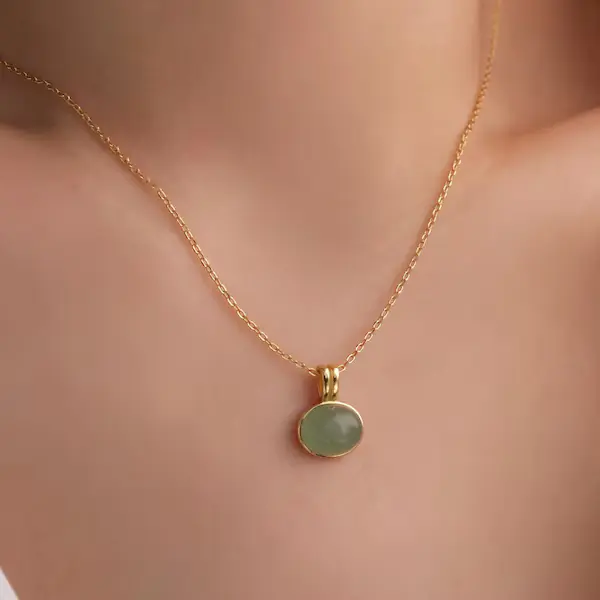
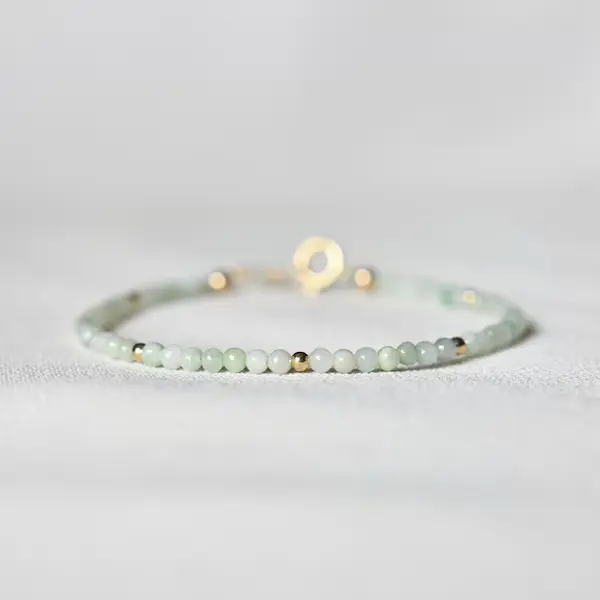
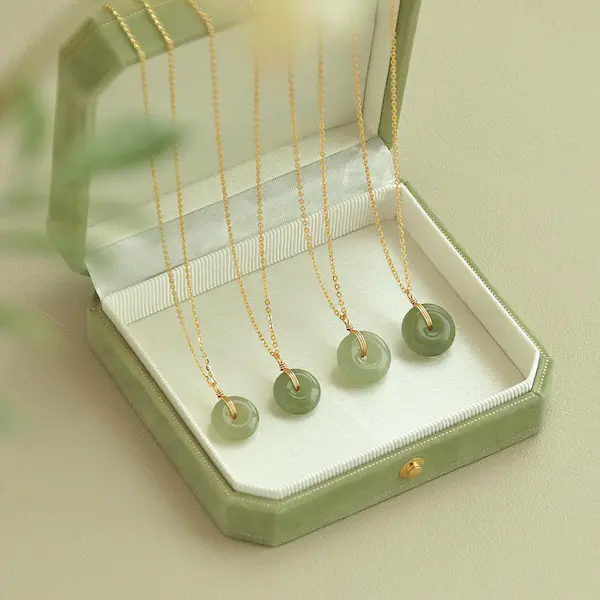
I found the real jade test at home guide very helpful. The simple tips on checking texture, weight, and appearance made it easier to understand whether my jade piece was authentic. A useful guide for anyone buying or checking jade!