
Product categories
Jade Identification Guide by Real Jade
How to Identify Real Jade and Buy Authentic Stone Safely
Jade Identification Guide: How to Recognize Real Jade
Identifying genuine jade is not as simple as judging a stone by its color, shine, or overall appearance. Both jadeite and nephrite can show different colors, textures, and levels of translucency, while lookalikes such as glass and serpentine may appear surprisingly similar. Treatments can also change a stone’s surface and visual character, making appearance alone an unreliable basis for authentication.
This jade identification guide from Real Jade explains practical Jade Stone Identification Methods for an initial examination. Observing texture, color distribution, translucency, and internal characteristics can help identify signs worth investigating further and indicate when professional gemological testing is appropriate.
What Makes Jade So Special?
Jade is valued for much more than its color. Its toughness, distinctive internal structure, translucency, and long history in jewelry and carving all contribute to its appeal. Genuine jade belongs to two mineral varieties: jadeite and nephrite. Understanding this distinction creates a useful starting point for any jade identification guide.
Jadeite – The less common variety, jadeite can occur in green, lavender, white, yellow, black, and other shades. Highly translucent green jadeite is among the material that can command significant value.
Nephrite – More widely occurring than jadeite, nephrite has a tightly interwoven fibrous structure that contributes to its toughness. Its colors can include green, gray, brown, and creamy white.
Neither type has a single appearance that defines it. Shade, translucency, texture, inclusions, and overall quality can differ from one specimen to another. For this reason, How to Identify Real Jade involves looking at several characteristics instead of depending on one visual clue. Good Jade Stone Identification Methods bring together appearance, physical observations, and, when necessary, gemological testing.
How to Identify Real Jade
How to Identify Real Jade begins with close observation, but visual inspection should be viewed as an initial screening process rather than final authentication. A stone can look convincing while being treated, dyed, or made from a different material.
Here are some useful clues to consider:
Feel and temperature – Jade often feels cool when first picked up and gradually warms in the hand. This is only a supporting clue because many other minerals behave in a similar way.
Texture – Genuine jade has a dense, substantial character. Under magnification, its internal features may look different from those of glass, plastic, or resin.
Color – Natural jade can display changes in tone and saturation. Extremely uniform or strongly concentrated color may warrant closer examination.
Weight – Its density can make jade feel substantial relative to its size, although other minerals can create a similar impression.
These observations can help narrow down possibilities, but none should be considered proof on its own.
Simple Jade Authenticity Tests
A useful Jade Authenticity Test compares several characteristics instead of relying on a single popular household trick. Simple checks may expose obvious imitations, while valuable or uncertain pieces are better assessed by a qualified professional.
1. Feel and Temperature Test
Hold the piece for a short time and notice how quickly its temperature changes. Genuine jade commonly feels cool initially and gradually warms through contact with the hand. However, this is only one supporting observation. Other stones can produce a similar experience, so temperature alone cannot establish authenticity.
2. Surface and Texture
Examine the piece under clear, even lighting. A loupe or suitable magnification can reveal internal texture and surface details that are difficult to notice without assistance. An unusually light, hollow, soft, or plastic-like feel may suggest that additional Jade Stone Identification Methods are needed before reaching a conclusion.
3. Color Examination
Color can provide useful clues when learning How to Identify Real Jade, but it should never be the deciding factor. Jade naturally occurs in a range of colors and shades. Color that appears excessively concentrated, unusually uniform, or limited mainly to the surface may justify further investigation for dyeing or other treatment.
4. Hardness Consideration
Jadeite and nephrite are relatively hard minerals, generally falling within about 6 to 7 on the Mohs scale. Deliberately scratching jewelry is not a sensible Jade Authenticity Test, particularly when the item has monetary or sentimental value. A scratch can damage the surface while still failing to establish what the material actually is. Non-destructive examination is preferable.
5. Weight and Density
Jade may feel relatively heavy for its dimensions because of its density. This can be useful when comparing a suspected imitation with a reference specimen, but hand-feel is not enough for identification. Specific-gravity testing can provide more meaningful evidence when the identity of a stone needs to be established.
6. Sound Test
Some collectors gently tap a suspected jade piece against another known specimen and listen to the resulting sound. While this is a traditional observation, sound can change according to the stone’s shape, thickness, construction, and surrounding material. It should therefore be treated as an informal clue rather than a dependable authentication procedure.
7. Translucency
Hold the piece near a strong light and observe how much light passes through it. Some fine jade can show noticeable translucency, whereas other pieces may be considerably more opaque. Because natural jade varies in this respect, translucency is most useful when combined with other Jade Stone Identification Methods.
Jade Stone Identification Methods
The most useful Jade Stone Identification Methods bring together visual characteristics and measurable physical or optical properties. Home inspection can help narrow the possibilities, but professional testing becomes more appropriate when the material is uncertain or the piece has substantial value.
Home-Based Observations
When considering How to Identify Real Jade, pay attention to:
Natural-looking changes in color and tone
A dense, stone-like texture
Weight that feels appropriate for its dimensions
Internal characteristics visible under magnification
Variations in translucency
Bubbles, unusual color concentration, or other signs of manufacturing
These checks can help screen a piece, but they are not guaranteed authentication procedures.
Professional Identification
For uncertain or valuable material, a qualified gemologist may assess characteristics such as:
Refractive index
Specific gravity
Microscopic structure
Spectroscopic or infrared characteristics
Signs of dyeing, impregnation, or other treatments
Combining several Jade Stone Identification Methods gives a stronger basis for distinguishing jadeite from nephrite and identifying whether treatment may have altered the material.
How to Tell Jade from Other Stones
Learning How to Tell Jade from Other Stones matters because unrelated materials can look convincing when color is the main feature being considered. A more meaningful comparison considers physical, structural, and optical characteristics.
Quartz – Certain varieties can have jade-like colors but differ in their physical and optical properties.
Serpentine – Green serpentine is a common jade lookalike and is generally softer.
Glass – Colored glass can imitate jade and may sometimes show bubbles or other manufactured characteristics.
Plastic and resin – These materials may feel lighter and can display an artificial surface or texture.
Other green minerals – Materials such as aventurine can be mistaken for jade when color receives too much attention.
When deciding How to Tell Jade from Other Stones, compare several characteristics rather than making a decision from appearance alone.
Buying Jade Online Safely
Buying jade online safely requires more than choosing the most attractive photograph. Online images may not accurately show treatment, surface condition, texture, or translucency. A detailed product listing should give buyers enough information to understand what they are considering.
Before Buying jade online safely, research the seller, read the return policy, and check whether the material is described specifically as jadeite or nephrite. Look for treatment disclosures, clear photographs, measurements, and supporting documentation where available.
Clear product information makes Buying jade online safely easier than relying on broad claims such as “100% genuine jade” without supporting evidence. For expensive pieces, an independent gemological report can provide stronger documentation than an unsupported seller statement.
Be careful with descriptions such as “rare jade,” “pure jade,” or “investment-grade jade” when no evidence is provided. A surprisingly low price can also be a reason to investigate the material and seller more closely before purchasing.
A useful jade identification guide should therefore help buyers assess both the stone itself and the information supplied with it.
Final Thoughts
A practical jade identification guide should explain what buyers can observe while making clear when professional identification is appropriate. Color, texture, density, translucency, and internal characteristics can provide useful clues, but no single household method can authenticate every piece.
For lower-value items, basic observations may help identify obvious imitations. Valuable jewelry, collectible carvings, and uncertain material deserve greater care. Combining suitable Jade Stone Identification Methods with professional examination provides stronger evidence than relying on appearance alone.
Ultimately, How to Identify Real Jade means comparing several pieces of evidence rather than trusting one quick test. The same principle applies to Buying jade online safely: seek clear product information, question unsupported claims, and consider independent documentation when the value of the piece makes professional verification worthwhile.
| Identification Method | What to Check | Result for Real Jade |
|---|---|---|
| Visual Inspection | Color and texture | Natural variations, not overly uniform |
| Touch Test | Feel of the stone | Cool and smooth to the touch |
| Weight Check | Compare with similar stones | Heavier due to density |
| Sound Test | Tap gently with another piece | Produces a soft, clear tone |
| Scratch Resistance | Light scratch test | Hard surface, resists scratches |
| Light Test | Hold against light | Slight translucency in quality jade |
| Surface Finish | Examine polish | Smooth, not overly glossy or plastic-like |
Is jade suitable for everyday wear?
Yes, especially jadeite, which is very hard and durable. Nephrite is slightly softer but still suitable for regular wear if handled carefully.
How to Check Jade Value Before Buying?
Before buying jade, check its type, color, translucency, texture, craftsmanship, treatment status, and certification. Compare similar pieces from reputable sellers and consider an independent gemological assessment for high-value jade.
How to Spot Fake Jade at Markets and Shops?
Look for natural color variations, consistent density, and a smooth, stone-like texture. Be cautious of unusually low prices, plastic-like surfaces, or exaggerated claims. For valuable pieces, request authenticity documentation or professional testing before purchasing.
Can You Tell if Jade is Real by Weight?
Weight alone cannot confirm whether jade is genuine. Real jade is relatively dense, but other stones can feel similarly heavy. Compare density with known samples and use professional testing for valuable pieces.
How to Test Jade Hardness at Home?
Avoid scratching valuable jade at home because hardness tests can damage the stone. Jade is relatively hard, but a professional gemologist can assess hardness and authenticity safely using appropriate testing methods.
Why Does My Jade Look Cloudy?
Jade may look cloudy because of its natural internal structure, inclusions, surface wear, or treatments. Cloudiness does not automatically mean it is fake. For valuable jade, professional examination can determine its cause and authenticity.
What's the Difference Between Polished and Raw Jade?
Raw jade has a natural, unpolished surface that may show rough edges and uneven texture. Polished jade is cut and smoothed to enhance its color, texture, and appearance. Both can be genuine jade.
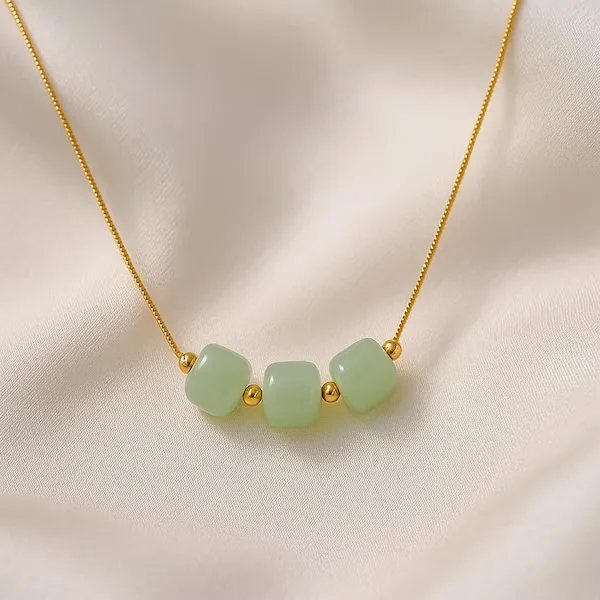
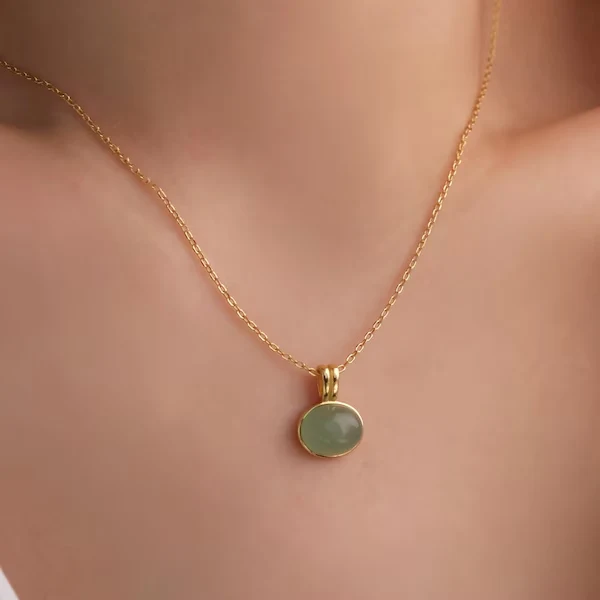
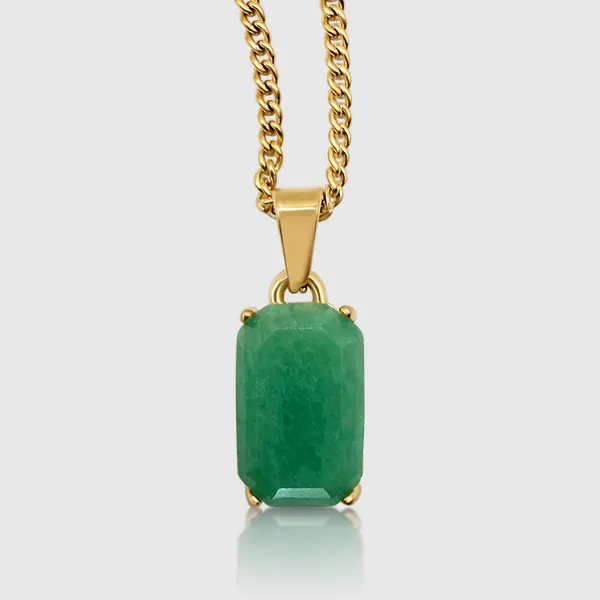
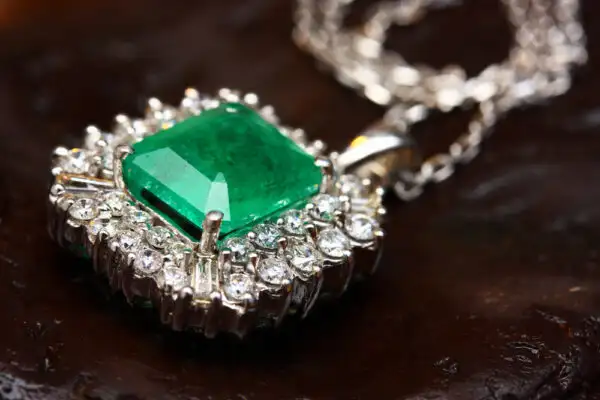
Real Jade’s Jade Identification Guide made it much easier to understand the differences between genuine jade and common imitations. The testing tips were simple, practical, and easy to follow. I now feel much more confident when checking jade before buying.