
Product categories
JADE CITY
Choosing a jadeite pendant is not simply about finding a beautiful green stone. Color, translucency, texture, transparency, surface condition, treatment, and origin can all affect how jadeite should be assessed. For anyone considering jadeite pendant jewelry, these characteristics provide useful clues when comparing stones and understanding whether a piece has been treated or accurately represented.
Real Jade focuses on the natural characteristics of each natural jadeite pendant before it becomes a finished jewelry piece. When comparing a jadeite pendant necklace, look beyond the stone itself and examine its setting, craftsmanship, finishing, and available documentation.
This guide explores the key factors behind jadeite quality, including what to look for in a Burmese jadeite pendant and how craftsmanship can influence a handcrafted jadeite pendant. The goal is to help buyers evaluate jadeite with clearer expectations and greater confidence.
Understanding Jadeite Pendants
A jadeite pendant is carved from jadeite, a pyroxene mineral valued for its color, translucency, texture, and distinctive appearance. Jadeite and nephrite are both varieties of jade, but they are different minerals. Fine jadeite can display attractive color, good translucency, and a fine texture, which helps explain its appeal among jewelry buyers and collectors.
When considering jadeite pendant jewelry, color is only one part of the evaluation. Translucency, texture, proportions, carving, polish, treatment, and available documentation can all affect how a piece should be understood. A natural jadeite pendant may also contain natural variations within the material, giving each finished piece its own visual character.
Jade has a long history of cultural importance across Asian communities. Depending on the tradition, it may be associated with protection, harmony, prosperity, wisdom, longevity, or integrity. These meanings come from cultural traditions rather than scientific evidence, but they remain part of the personal appeal of jadeite jewelry.
Real Jade as a Jadeite Pendant Supplier
When buying jadeite, the stone deserves as much attention as the finished design. Buyers should look for clear information about the material, treatment, stated origin, and documentation where appropriate.
For anyone seeking a natural jadeite pendant, understanding the difference between untreated jadeite, treated material, and imitation is important. The word “natural” should describe the stone accurately rather than serve as a vague marketing term.
Real Jade presents jadeite pieces with attention to their material characteristics, design, and finishing. For collectors, retailers, and individual buyers, straightforward information makes it easier to compare pieces based on meaningful details instead of appearance alone.
Jadeite Sourcing and Origin
Myanmar, historically known as Burma, is an important source of jadeite and is closely associated with fine-quality material. As a result, a Burmese jadeite pendant may attract interest from collectors. However, a geographic label alone does not determine quality. Color, translucency, texture, treatment, size, and workmanship still need to be considered.
Before rough jadeite is shaped, its natural features can influence the design chosen for the finished piece. An experienced artisan can work with variations in the material rather than forcing every stone into an identical pattern.
For higher-value purchases, buyers should also separate a stated origin from a verified origin. When available, laboratory documentation or professional gemological assessment can provide stronger evidence than a seller’s description alone.
Authenticity and Natural Jadeite
The jade market includes untreated jadeite, treated jadeite, simulants, and other materials that can look similar. Glass, resin, dyed stones, and other substitutes may be difficult to identify from photographs or a quick visual check.
A natural jadeite pendant may show differences in color, internal structure, texture, and transparency. These observations can help a buyer form an initial impression, but visual appearance alone cannot reliably establish authenticity or treatment status.
For a valuable purchase, professional testing is a stronger option. A qualified gemological laboratory can examine the material and, depending on its services, provide information about treatment and identity. This can be particularly useful when a piece carries a significant price or important claims about origin or quality.
What Determines Pendant Quality?
There is no single feature that makes a jadeite pendant high quality. Several characteristics should be considered together, and their importance can vary according to the material, design, and intended use.
Color
Color is usually the first feature people notice. Jadeite occurs in green, lavender, white, yellow, orange, red, gray, black, and other natural shades. Green is especially well known, ranging from pale tones to deeper and more saturated hues.
Even distribution and attractive saturation can influence visual appeal. In a Burmese jadeite pendant, however, color should be assessed alongside translucency, texture, treatment, and workmanship instead of being judged on its own.
Translucency
Translucency describes the way light travels through the stone. Jadeite with pleasing translucency can appear brighter and more visually active, especially when it is combined with attractive color and fine texture.
Higher translucency does not automatically make one pendant better in every respect. Overall balance matters, and a stone with harmonious color, texture, and translucency may be more appealing than one with a single outstanding feature.
Texture
Texture affects the way jadeite looks, feels, and takes a polish. Fine, compact material can produce a smooth, refined surface, while coarser material can have a different visual character.
Texture is also relevant to carving. The structure of the rough stone can influence which shapes are suitable and how much detail an artisan can develop.
Carving and Workmanship
The finished piece is more than the gemstone itself. Proportion, symmetry, edge finishing, polish, and carved details all influence how the piece looks and wears.
A handcrafted jadeite pendant can reflect deliberate choices about how to work with the stone’s natural features. Good workmanship should complement the material rather than conceal it. Close inspection of the carving and finishing can reveal details that are easy to miss in a quick product photograph.
Thickness and Shape
Thickness and shape should suit both the stone and its intended use. A design that is extremely thin may require more care during wear, while excessive thickness can make a piece feel heavy or visually unbalanced.
Well-considered proportions keep the gemstone visually prominent while helping the pendant remain comfortable to wear.
Common Jadeite Pendant Colors
Green Jadeite
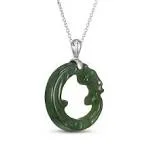
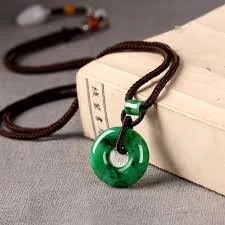
Green is the color most commonly associated with jadeite. It can range from soft, pale shades to richer greens with stronger saturation. Color distribution, translucency, and texture all contribute to the overall appearance of green jadeite.
Lavender Jadeite
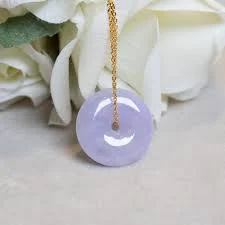
Lavender jadeite ranges from subtle lilac to stronger purple tones. Its cooler appearance creates a different mood from traditional green jadeite and can suit both classic and contemporary jewelry designs.
White Jadeite
White jadeite has a restrained appearance that can place greater emphasis on shape, carving, polish, and proportions. Its neutral character works well with simple designs as well as more detailed forms.
Yellow and Red Jadeite
Yellow, orange, and red jadeite offer warmer alternatives to green and lavender. Their appeal depends on color quality and distribution as well as translucency, texture, and the condition of the material.
Black Jadeite
Black jadeite has a darker, dramatic appearance. Its polished surface can make carved details stand out, giving it a distinctive look for buyers who prefer something less traditional.
Craftsmanship Behind a Jadeite Pendant
Turning rough jadeite into jewelry is not simply a matter of cutting the material into a predetermined form. Natural rough can contain variations, inclusions, fractures, or changes in texture, so the artisan needs to study the stone before deciding how to use it.
The design process may consider the rough stone’s structure, thickness, intended shape, and areas that should be preserved or avoided. Working with those features can help the final design make better use of the available material.
A well-made handcrafted jadeite pendant should show attention to proportion, carving, polish, edges, and wearability. Strong craftsmanship allows the design to enhance the gemstone instead of competing with it.
Symbolic Meaning
Jadeite has been connected with cultural traditions for generations. Depending on the tradition, jade may represent protection, prosperity, harmony, wisdom, longevity, or integrity.
For some buyers, a jadeite pendant necklace is therefore more than a decorative accessory. It may mark a family tradition, celebrate an important occasion, or carry a personal meaning chosen by the wearer.
These associations belong to cultural and historical traditions rather than scientific evidence. Their importance comes from the meaning individuals and communities attach to jade.
Buying for Wholesale and Retail
Retail buyers and collectors can have different priorities. A retailer sourcing multiple pieces may need consistent product information, treatment disclosure, stated origin, documentation, quantities, and specifications. An individual buyer may focus more closely on a particular stone, design, and personal preference.
Businesses sourcing jadeite pendant jewelry should ask clear questions about the material, treatment, stated origin, available documentation, quantities, and specifications. This makes comparisons more useful than relying on broad descriptions such as “premium” or “rare” without supporting information.
A supplier should make it easier for buyers to understand what they are purchasing instead of expecting them to rely on general marketing language.
Value and Long-Term Appeal
The value of fine jadeite can be influenced by color, translucency, texture, size, workmanship, treatment, and provenance. Some material can command substantial prices, but that does not mean every piece should be treated as an investment.
Market conditions can change, and future appreciation cannot be guaranteed. For a higher-value purchase, authenticity, treatment disclosure, documentation, and professional assessment provide a more useful basis for decision-making than promises about future resale value.
For many collectors, the lasting appeal of a natural jadeite pendant comes from the material, craftsmanship, history, and personal meaning rather than investment potential.
Care and Maintenance
Jadeite is relatively durable, but careful handling helps preserve its appearance. Clean a pendant gently with a soft, damp cloth and avoid harsh chemicals or abrasive cleaners. Store it separately from harder jewelry to reduce unnecessary surface contact.
It is also sensible to protect the pendant from strong impacts and periodically check its clasp, setting, or other fittings. Appropriate care can help a well-made piece remain part of a jewelry collection for many years.
Choosing a Jadeite Pendant as a Gift
A jadeite pendant necklace can be a meaningful gift because it combines natural material, craftsmanship, and a long cultural history. It may suit birthdays, anniversaries, weddings, family celebrations, or personal milestones.
A natural jadeite pendant can feel more personal when its color, carving, or design reflects the recipient’s taste. The meaning of a gift does not depend entirely on its price; the reason for choosing it and the story behind it can be equally important.
Why Real Jade
For buyers seeking genuine jadeite, the finished design is only one part of the decision. Information about the gemstone, treatment, stated origin, craftsmanship, and available documentation can be equally important.
Real Jade focuses on jadeite materials and finished jewelry, with attention to stone selection, design, finishing, and the characteristics that make individual pieces different. For collectors, retailers, and enthusiasts, this gives buyers useful information to consider before choosing a piece.
Final Thoughts
Choosing jadeite jewelry becomes easier when buyers understand the features they are evaluating. Color, translucency, texture, treatment, origin, craftsmanship, proportions, and documentation can all contribute to a more informed purchase.
A Burmese jadeite pendant may interest a buyer because of its stated origin, while a handcrafted jadeite pendant may stand out because the design works naturally with the stone. Ultimately, the right choice depends on the material, workmanship, available evidence, and what the buyer values most in the piece.
What Factors Should You Consider When Choosing a Jadeite Pendant?
| Factor | What to Look For |
|---|---|
| Authenticity | Confirm that the pendant is genuine jadeite rather than an imitation or undisclosed treated material. |
| Color | Look for attractive, evenly distributed color that suits your preference. |
| Transparency | Translucent jadeite can have greater visual depth and luminosity. |
| Texture | Fine, consistent texture can contribute to a smoother and more refined appearance. |
| Craftsmanship | Check the carving, proportions, polish, symmetry, and overall finishing. |
| Treatment Status | Ask whether the jadeite has been dyed, bleached, polymer-impregnated, or otherwise treated. |
| Origin | If Burmese or Myanmar origin is claimed, consider whether appropriate documentation supports the claim. |
| Design | Choose a style that suits your intended use, whether everyday wear, collecting, gifting, or ceremonial occasions. |
| Documentation | For higher-value pieces, independent gemological testing or certification can provide additional confidence. |
| Supplier Reputation | Choose a supplier that provides clear information about the jadeite’s characteristics and treatment status. |
How can I know the jadeite pendant from Real Jade is genuine?
Jadeite pendants from Real Jade are made only from natural jadeite, selected for authentic color, density, texture, and natural luster. No dyed, synthetic, or imitation materials are used, ensuring genuine jadeite quality and long-term value.
What Color Jadeite Pendant Should I Choose?
The right jadeite pendant color depends on your personal style and preference. Green is highly sought after, while lavender, white, yellow, red, and black jadeite offer distinctive alternatives. Consider the color's consistency, translucency, and overall appearance when choosing a piece.
How Do I Care for My Jadeite Pendant?
Clean your jadeite pendant gently with warm water, mild soap, and a soft cloth. Avoid harsh chemicals, abrasive cleaners, and sudden temperature changes. Store it separately from harder jewelry to prevent scratches, and handle carved pieces carefully.
How Do I Know If Jadeite Is Good Quality?
Good-quality jadeite is assessed by color, translucency, texture, craftsmanship, condition, and treatment status. Vivid, attractive color, fine texture, pleasing translucency, and skilled carving can increase its appeal. For valuable pieces, independent gemological testing can help confirm authenticity and treatment.
How Can I Find a Vintage Jadeite Pendant?
Look for a vintage jadeite pendant through reputable antique jewelry dealers, established jade specialists, auctions, and verified online sellers. Check the stone's authenticity, condition, age, craftsmanship, treatment status, and documentation before purchasing, especially for rare or high-value pieces.
What's the Difference Between Carved and Smooth Jadeite Pendants?
Carved jadeite pendants feature engraved patterns, symbols, or figures that highlight craftsmanship and cultural meaning, while smooth pendants have simpler polished surfaces that showcase the stone's natural color, texture, and translucency. The best choice depends on your style and intended use.
What Does a Jadeite Pendant Symbolize?
A jadeite pendant is traditionally associated with prosperity, protection, harmony, wisdom, longevity, and good fortune. Its symbolism varies across cultures and personal traditions, making it a meaningful choice for gifts, celebrations, or everyday wear beyond its decorative appeal.
Read More Posts
https://jade.adsonz.com/jade-a-grade-vs-b-grade/
I’m very happy with my jadeite pendant from Real Jade. The stone has a beautiful natural color and polished finish, and the craftsmanship feels carefully done. It looks elegant when worn and feels like a meaningful piece of jewelry. Real Jade also made the buying experience smooth and reassuring.