nephrite jade China

gem quality jadeite

Jade Collector’s Guide: How to Identify, Value, and Preserve Real Jade

Discover expert tips on authentic jade, grading, jewelry selection, and care for collectors and enthusiasts alike.

jade collectors guide

The jade collectors guide from Real Jade helps new and experienced collectors understand how jade is identified, evaluated, purchased, and maintained. It explores the types of jade gemstones, particularly jadeite and nephrite, and explains how color, translucency, texture, craftsmanship, origin, and treatment status influence a stone’s appeal and market value. These factors are essential to understanding Jade value and grading and comparing individual pieces.

For authentic jade identification, collectors should look beyond surface appearance because dyed stones, resin-treated jade, glass, and other imitations can resemble natural jade. Professional gemological testing can help establish a stone’s identity and treatment status. The guide also introduces jade jewelry for collectors, from rings and pendants to bracelets and bangles, highlighting the importance of carving quality, metal settings, and condition. By learning How to buy real jade, buyers can assess certification, treatment disclosures, seller reputation, and return policies before making an informed collecting decision.

The Splendor of Jade: Exploring the Stunning Types of Gemstones for Collectors

  • Jadeite Jade

    Jadeite is one of the two minerals recognized as jade and is particularly significant in the collector market. It occurs in green, lavender, white, yellow, red, and black shades. Its value depends on color intensity, translucency, texture, size, condition, and treatment status. Highly translucent jadeite with even, saturated green color is especially desirable, with Imperial jadeite representing a notable high-value category. Understanding these factors supports informed jade value and grading decisions.

    Nephrite Jade

    Nephrite is the other recognized jade mineral, known for its interlocking fibrous structure and exceptional toughness. Its colors range from creamy white and light green to dark spinach green and brown. Historically used in carvings, ornaments, tools, and jewelry, nephrite appeals to collectors who value traditional craftsmanship and cultural significance.

    Jadeite vs. Nephrite

    Comparing these Types of jade gemstones helps collectors understand differences in mineral composition, structure, appearance, and market value. Jadeite generally occupies higher price categories, although individual quality determines value. Visual inspection alone cannot confirm authentic jade identification or reveal every treatment. Professional gemological testing provides more reliable evidence.

    Collector Considerations

    When assessing jade jewelry for collectors, examine color, transparency, texture, craftsmanship, condition, and treatment disclosures together. Laboratory reports, documented provenance, and reputable sellers can help buyers make informed decisions when learning How to buy real jade.

Timeless Elegance: Exploring the Diverse Types of Jade Jewelry for Collectors

Jade Jewelry for Collectors

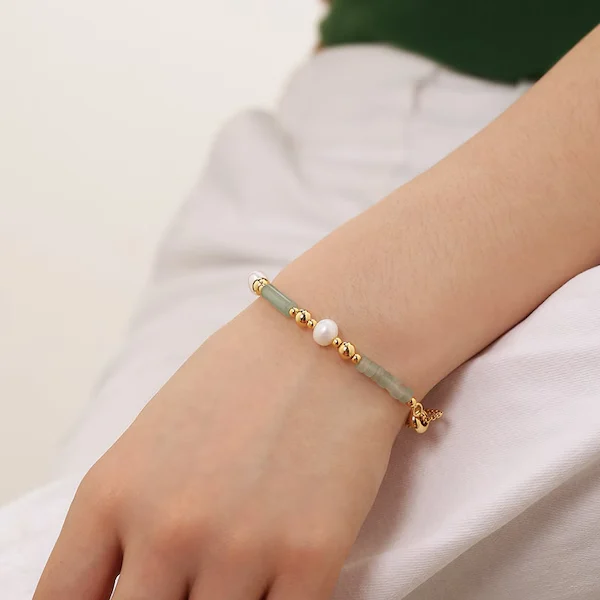
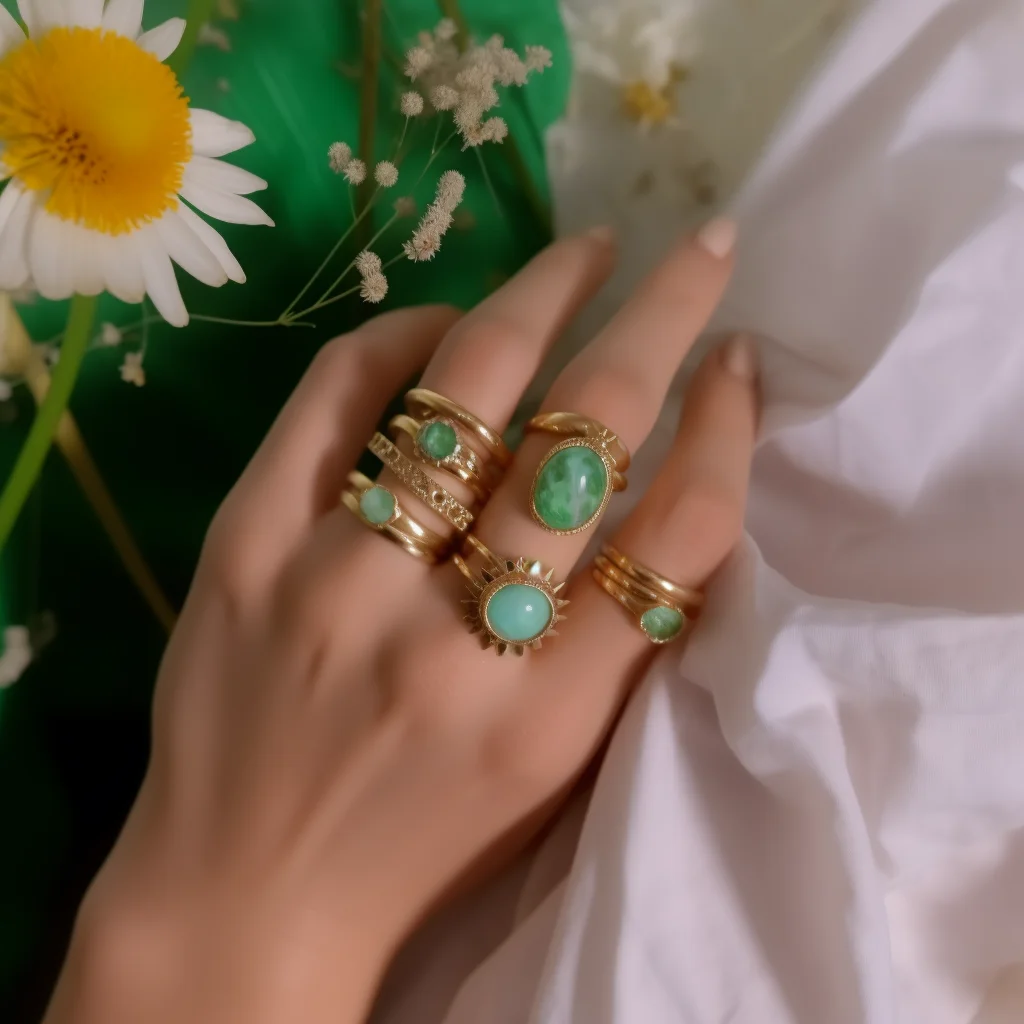
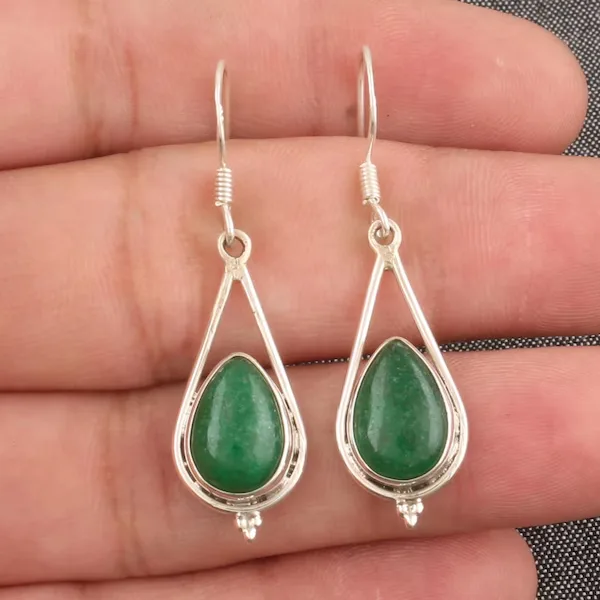
Jade jewelry for collectors includes rings, bracelets, bangles, necklaces, pendants, earrings, and carved amulets. Designs may feature floral carvings, lotus motifs, protective buckles, or symbolic animal figures such as dragons and Pixiu. Value depends on the jadeite or nephrite, color, translucency, texture, craftsmanship, condition, treatment history, and documentation. Antique pieces may offer historical significance, while contemporary designs appeal through distinctive carving and metal settings.

When learning How to buy real jade, examine treatment disclosures carefully. Jadeite may be bleached, dyed, or impregnated with polymer resin, affecting its classification and market value. Professional gemological reports can help establish authenticity and treatment status when purchasing valuable pieces.

Preserving Your Jade Collection

Clean jade gently with lukewarm water, mild soap, and a soft cloth. Avoid harsh chemicals, steam cleaning, ultrasonic cleaners, and excessive heat. Store each piece separately in a soft pouch or lined jewellery box to minimize scratches. Periodically inspect settings, polished surfaces, and carved details for damage.

A well-informed collection develops through careful evaluation rather than appearance alone. Combining Authentic jade identification with Jade value and grading helps collectors compare quality, treatments, craftsmanship, and available documentation. Understanding these factors supports thoughtful purchases and long-term care of jade jewelry for collectors.

Can jade increase in value over time?

Yes, high-quality, certified jadeite can appreciate over time, especially rare colors, large pieces, or antique carvings.

How Do I Know If My Jade Is Valuable?

Jade value depends on type, color, translucency, texture, size, treatment, and origin. Untreated jadeite with vivid color, fine texture, and good translucency is generally more valuable. Professional certification can help confirm authenticity and quality.

How Rare Is It to Find Quality Jade?

High-quality jade is relatively rare, especially untreated jadeite with vivid color, fine texture, and strong translucency. Exceptional pieces are uncommon and typically command higher prices due to their quality and scarcity.

What Are the Key Factors When Choosing Jade?

When choosing jade, consider its type, color, translucency, texture, craftsmanship, size, and treatment status. For valuable pieces, verify authenticity and request an independent gemological report when appropriate.

How Do I Care for My Jade Collection?

Care for jade by keeping it away from harsh chemicals, extreme heat, and hard impacts. Clean gently with a soft damp cloth, dry thoroughly, and store pieces separately to prevent scratches.

What Are Common Jade Carving Styles?

Common jade carving styles include smooth cabochons, intricate floral designs, animal motifs, symbolic figures, beads, pendants, and traditional Chinese carvings. Styles vary by culture, craftsmanship, purpose, and the type of jade used.

What's the History of Jade Collecting?

Jade collecting dates back thousands of years, particularly in China and Mesoamerica. Jade has been valued for ornaments, tools, carvings, and cultural objects, with its beauty, durability, and symbolism supporting its lasting appeal.

# Jade Collector’s Guide: How to Identify, Evaluate, and Buy Real Jade Building a valuable jade collection requires more than choosing an attractive gemstone. Collectors need to understand mineral identity, natural characteristics, treatment history, craftsmanship, documentation, and market conditions before making a purchase. This jade collectors guide explains the essential factors for evaluating jadeite and nephrite, comparing jewellery, and making informed buying decisions. Learning Authentic jade identification is an important first step because color, shine, and surface texture alone cannot establish whether a gemstone is genuine or untreated. Understanding Jade value and grading also helps collectors compare pieces based on their characteristics rather than relying solely on seller descriptions or asking prices. Whether collecting traditional bangles, carved ornaments, pendants, or contemporary designs, knowledge of the Types of jade gemstones, appropriate care, and responsible purchasing practices can help build a collection that suits individual interests and budgets. ## Key Highlights - Understand the differences between jadeite and nephrite. - Explore the factors influencing jade quality, rarity, and market value. - Learn the limitations of home tests and the importance of gemological reports. - Evaluate Jade jewelry for collectors through material quality, craftsmanship, and condition. - Follow practical guidelines for How to buy real jade with greater confidence. ## Understanding Jade and Its Cultural Significance Jade has been valued across cultures for centuries because of its toughness, natural color variations, smooth finish, and suitability for detailed carving. It has appeared in jewellery, ceremonial objects, ornaments, and decorative artworks, with cultural meanings varying across regions and historical periods. The term jade refers primarily to two distinct minerals: jadeite and nephrite. Although they can look similar, they differ in mineral composition, internal structure, and certain physical properties. Identifying the correct material is essential before evaluating quality or price. Collectors may appreciate jade for artistic craftsmanship, cultural heritage, personal meaning, or financial potential. These motivations should be considered separately because historical interest and visual appeal do not automatically establish monetary value or future appreciation. ## Types of Jade Gemstones: Jadeite vs. Nephrite The main Types of jade gemstones are jadeite and nephrite. Both can produce beautiful jewellery and carvings, but their characteristics and market positions differ. ### Jadeite Jade Jadeite is a pyroxene mineral composed primarily of sodium aluminium silicate. It commonly occurs in green, lavender, white, yellow, red, orange, and other colors. Its appearance varies according to mineral composition, texture, translucency, and natural inclusions. Fine-quality jadeite is particularly sought after in the gemstone market. Imperial Green jade refers to a highly desirable variety characterized by rich green color and attractive translucency. However, the label alone does not verify authenticity, treatment status, or quality. Jadeite is often fashioned into cabochons, beads, pendants, and solid bangles. The cutting and shaping process aims to display the material's color while preserving its structural integrity and making effective use of the available stone. ### Nephrite Jade Nephrite is a calcium magnesium silicate mineral known for its exceptional toughness. Its tightly interlocking fibrous structure helps it resist breaking, making it suitable for carving, ornaments, and jewellery. Nephrite occurs in shades such as creamy white, green, dark spinach green, gray, and black. Its surface may display a soft, waxy, or creamy appearance rather than the glassier luster sometimes associated with polished jadeite. Nephrite is generally less expensive than comparable fine jadeite, although exceptional examples can be highly collectible. Neither mineral should be judged by color alone; craftsmanship, condition, rarity, and the preferences of collectors also influence desirability. ## Jade Value and Grading: What Determines Quality? Jade value and grading involve several characteristics rather than a single universal scale. Collectors commonly assess color, translucency, texture, clarity, craftsmanship, dimensions, condition, treatment history, and available documentation. ### Color and Color Distribution Color is a major consideration when evaluating jadeite. Collectors examine hue, saturation, consistency, and how naturally the color appears across the gemstone. Rich green jadeite can command substantial interest, while lavender, white, yellow, and other natural colors also appeal to particular buyers. A uniform or unusually vivid color should not automatically be considered superior. Dyeing and other treatments can alter a gemstone's appearance, so treatment disclosures and independent examination may be important. ### Clarity, Translucency, and Texture Translucency describes how much light passes through a material. Some fine jadeite displays a soft internal glow, while other jade pieces are more opaque. Fine texture and a well-polished surface can enhance visual appeal. Internal inclusions, fractures, and dark mineral features may affect desirability, depending on their visibility, location, and severity. Greater translucency does not automatically make one piece more valuable than another because color, condition, and overall quality must also be considered. ### Cut, Craftsmanship, and Dimensions Jade is commonly shaped into cabochons, beads, bangles, and carved objects. A well-finished cabochon can display the stone's color effectively, while a solid bangle requires careful material selection and shaping. Intricate carvings are valued for their proportions, symmetry, smooth finishing, and attention to detail. Collectors should inspect carved edges and narrow sections for structural weaknesses or damage. Size and weight can influence value, particularly when a large piece combines desirable color, translucency, and quality. However, a heavier gemstone is not automatically more valuable than a smaller, better-quality example. ### Condition, Treatment, and Provenance Chips, repairs, worn edges, and visible fractures can reduce a piece's appeal. Antique jewellery deserves particular attention because wear and previous alterations may not be obvious in online photographs. Provenance refers to documented information about an item's history or previous ownership. Reliable records may strengthen its historical interest, but unsupported claims about age or origin should not be accepted as established facts. ## Authentic Jade Identification: Natural Jade and Treatments Authentic jade identification requires more than visual inspection or a simple home test. Glass, quartz, serpentine, dyed stones, and other imitations can resemble jade. Genuine jade can also undergo treatments that change its appearance or internal characteristics. ### Visual Inspection and Physical Tests Begin by examining the gemstone under good lighting. Look at its color distribution, texture, polish, inclusions, fractures, and visible signs of repair. Compare these observations with the seller's description and available documentation. Genuine jade may feel cool and dense, but these sensations are not reliable proof of mineral identity. Similarly, tapping a stone and listening to its sound cannot conclusively distinguish jadeite, nephrite, or imitations. Hardness and scratch tests should be avoided because they can damage the jewellery and produce misleading results. Specific gravity and other physical measurements can assist professional identification, but they require appropriate equipment and interpretation. ### Common Jade Treatments Collectors should understand three important treatment categories: - Dyeing: Colorants are used to change or intensify a gemstone's color, potentially making lower-value material resemble more desirable varieties. - Bleaching and polymer impregnation: Chemical treatment may remove certain impurities before polymer resin is introduced to improve appearance or fill spaces within the material. - Combined treatments: Some stones undergo multiple processes that affect their appearance, durability, or commercial value. These treatments do not necessarily mean a stone is an imitation; treated material may still contain genuine jade. However, treatment status is important when comparing quality, price, and collecting objectives. For significant purchases, obtain a report from a qualified gemological laboratory. Review exactly what the report establishes about mineral identity and detectable treatments. Origin, valuation, and treatment status are separate questions and should not be assumed to be confirmed by every report. ## Jade Jewelry for Collectors Jade jewelry for collectors includes bangles, bracelets, rings, pendants, necklaces, earrings, and carved ornaments. Designs range from understated polished stones to elaborate pieces featuring precious-metal settings. Solid bangles are popular among collectors who appreciate the natural color and continuity of a single piece of jade. Cabochon rings and pendants highlight selected areas of color, while beads and carved ornaments offer different styles and craftsmanship. When evaluating jewellery, examine the gemstone and its setting separately. Check for cracks, chips, uneven polishing, loose mounts, worn edges, and repairs. Inspect metal components, clasps, and drilled areas where applicable. Traditional motifs may include lotus flowers, circular designs, and dragons, although their meanings vary across cultural contexts. Buyers should consider the craftsmanship and historical information without assuming that every decorative symbol has the same significance. The best piece depends on personal taste, intended use, material quality, and budget. Elaborate designs are not automatically more valuable, and an attractive setting does not prove that the gemstone is rare or untreated. ## How to Buy Real Jade: A Practical Checklist Learning How to buy real jade begins with understanding what is being offered and obtaining enough information to compare it responsibly. 1. Define your collecting purpose: Decide whether the piece is intended for daily wear, gifting, artistic appreciation, cultural interest, or long-term collecting. 2. Identify the mineral: Ask whether the gemstone is jadeite or nephrite and request supporting evidence when necessary. 3. Establish a realistic budget: Compare pieces within a suitable price range, recognizing that quality and price do not increase in a simple linear relationship. 4. Ask about treatments: Request clear disclosure of dyeing, bleaching, polymer impregnation, or other known enhancements. 5. Review documentation: For valuable purchases, consider an independent gemological report and check its scope and identifying details. 6. Inspect the condition: Request clear photographs, dimensions, weight, and information about fractures, repairs, or alterations. 7. Check the seller: Review the seller's reputation, product descriptions, communication, and return policy. 8. Compare similar pieces: Evaluate mineral type, color, translucency, workmanship, treatment status, and condition rather than comparing asking prices alone. 9. Keep purchase records: Save invoices, photographs, reports, and seller communications for future reference. For online purchases, request images from different angles and confirm that the return terms provide a practical way to address material discrepancies. Avoid rushing into a transaction because of a limited-time offer or an unsupported claim of exceptional rarity. Building a collection gradually also allows beginners to develop their knowledge before purchasing expensive or historically significant pieces. ## Common Mistakes Jade Collectors Should Avoid A frequent mistake is assuming that every green stone is jade or that all genuine jade is untreated. Another is relying entirely on color, surface feel, tapping sounds, or a seller's verbal assurance. Collectors may also overlook treatment disclosures, damaged settings, unsupported provenance, and return restrictions. A high asking price does not guarantee authenticity or investment quality, while a low price does not necessarily indicate a bargain. A reliable jade collectors guide encourages careful comparisons, appropriate documentation, and professional advice when a purchase warrants additional verification. ## Caring for Your Jade Collection Proper maintenance helps preserve jade jewellery and carved objects. Clean suitable pieces using lukewarm water, mild soap, and a soft cloth or soft-bristled brush. Avoid harsh chemicals, abrasive cleaners, steam cleaning, and ultrasonic devices unless a qualified professional confirms that the specific piece can tolerate them. Keep jade away from extreme heat and unnecessary impact. Store each item separately in a soft pouch or lined compartment to reduce scratches caused by other gemstones or metal components. Inspect settings, clasps, drilled areas, and carved edges periodically. If a piece has known treatments or a delicate setting, follow care instructions suited to its particular construction. ## Jade Market Trends and Investment Considerations Jade prices depend on material quality, rarity, craftsmanship, treatment status, provenance, documentation, and buyer demand. High-quality jadeite can command substantial prices, but market conditions vary by category, region, and individual piece. Geographic sourcing can also affect market availability. Myanmar is an important source of gem-quality jadeite, while nephrite comes from several regions, including China, Canada, and New Zealand. Supply conditions and trade regulations may influence availability, but they do not guarantee future price increases. Online marketplaces and social commerce have made jade more accessible, allowing buyers to compare styles and sellers. However, digital listings make it especially important to verify descriptions, treatment disclosures, and return terms. Understanding Jade value and grading helps collectors evaluate current characteristics, but it cannot predict future resale prices. High-value acquisitions may warrant independent valuation and professional advice. Collectors should distinguish personal enjoyment from financial expectations because appreciation is never guaranteed. ## Conclusion A well-considered jade collection develops through informed purchases, accurate identification, careful documentation, and appropriate maintenance. Understanding the Types of jade gemstones, evaluating quality, and learning Authentic jade identification provide a foundation for comparing jewellery and decorative pieces. Whether selecting traditional bangles, contemporary pendants, or intricate carvings, examine mineral identity, treatment history, craftsmanship, condition, and supporting evidence before buying. Following practical guidance on How to buy real jade and applying consistent principles of Jade value and grading can help collectors choose pieces suited to their interests and budgets. Ultimately, jade's appeal extends beyond price. Its natural variations, cultural associations, and artistic craftsmanship make each carefully selected piece a distinctive addition to a collection.

Jade Collectors Guide: What Factors Should You Consider?

FactorWhat to Look ForWhy It Matters
Type of JadeJadeite or NephriteDetermines rarity and value
Color QualityRich, even tones (especially vibrant green or white)Higher color quality increases value
TransparencySemi-transparent to translucentIndicates premium-grade jade
TextureFine-grained and smoothReflects authenticity and craftsmanship
OriginMyanmar (jadeite), China (nephrite)Origin affects quality and demand
CraftsmanshipPrecision carving and polishingEnhances beauty and overall worth
RarityLimited availability of high-grade piecesRare items have higher collector value
ConditionNo cracks, chips, or damageMaintains long-term value
CertificationVerified authenticity documentsEnsures genuine jade
Investment ValueLong-term appreciation potentialImportant for collectors and investors

Leave a Reply

Your email address will not be published. Required fields are marked *

Comments

  1. Real Jade made my jade purchase experience straightforward. I appreciated the attention to the stone’s details and the information provided before choosing a piece. For anyone in Dubai exploring natural jade, Real Jade is worth considering for its focused jade collection and helpful product guidance.

  2. I had a great experience choosing jade jewelry from Real Jade. I liked the natural character of the stone and the elegant finish of the piece I received. The product details were easy to understand, which helped me make my choice with confidence. It’s a beautiful piece that feels special enough for both everyday wear and occasions.

  3. I’m very pleased with my Jade purchase from Real Jade. The piece has a beautiful natural appearance, and the craftsmanship is impressive. It feels like a meaningful addition to my collection, and the overall buying experience was smooth and professional. I would definitely consider Real Jade for future jade purchases.

Let's Chat!